
Overview
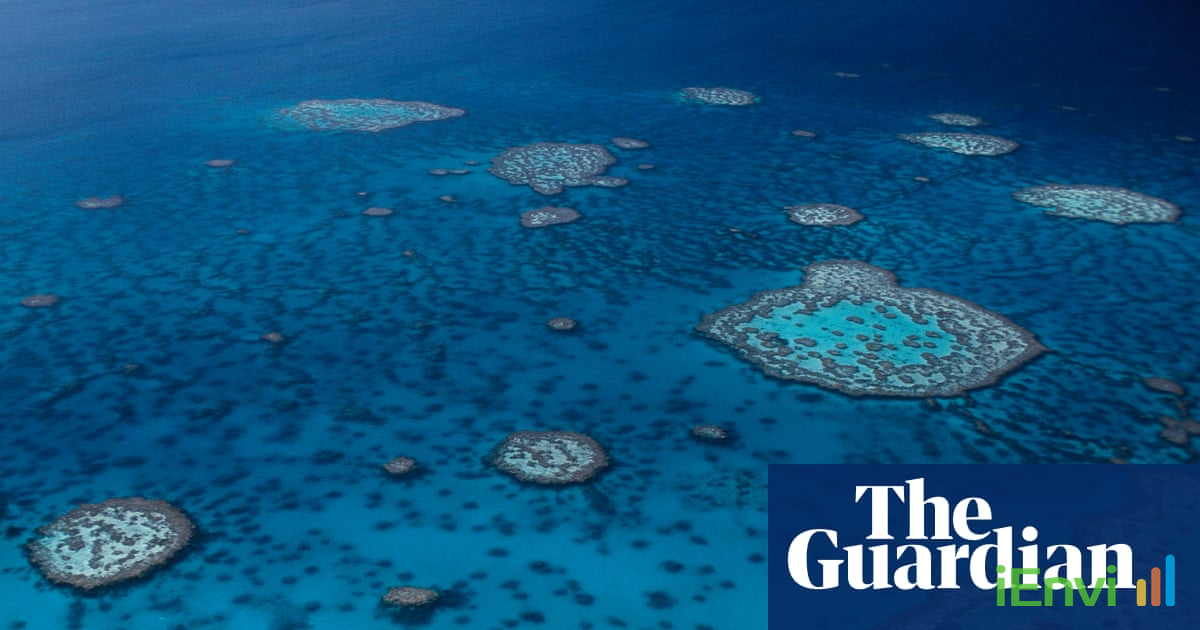
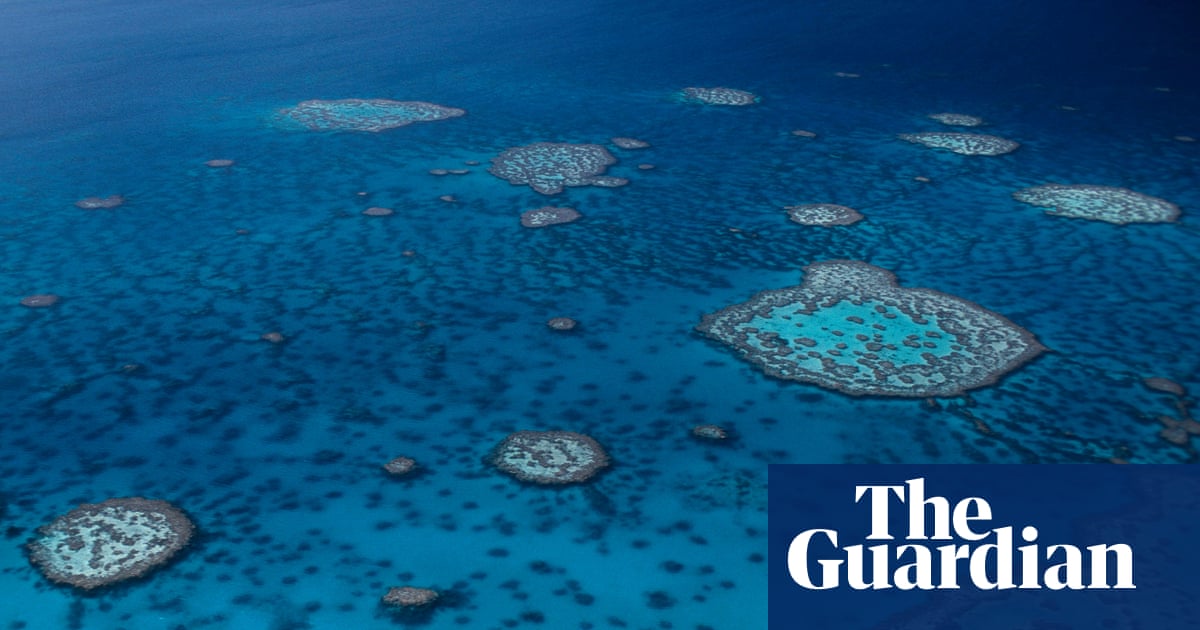
A landmark study published in the journal Nature in July 2023 has mapped the microbiome of the Great Barrier Reef for the first time, with researchers from the University of Queensland (UQ) and the Australian Institute of Marine Science (AIMS) identifying 584 bacterial species that are entirely new to science. Led by senior authors Dr Yun Kit Yeoh (AIMS) and Professor Philip Hugenholtz (UQ), the five-year research programme used advanced metagenomics to sequence DNA extracted directly from seawater samples collected across 48 discrete reef sites. The dataset produced is extraordinary in scale: 808,585 viral genomes belonging to an estimated 362,802 distinct viruses, and 5,283 bacterial and archaeal genomes representing 876 distinct species in total.
The significance of this work extends well beyond academic taxonomy. Microbial and viral communities form the metabolic foundation of reef ecosystems. They drive nutrient cycling, regulate carbon fixation, support coral larval settlement, and are acutely sensitive to environmental stressors including elevated sea surface temperatures, agricultural runoff, and changes in water chemistry. Because microbial population shifts precede visible symptoms of reef degradation by days to weeks, this newly established baseline creates a genuine early-warning monitoring framework that did not previously exist at this resolution or geographic coverage.
For environmental professionals advising on coastal and marine developments, the practical relevance is immediate. Projects that intersect with the Great Barrier Reef Marine Park or its adjacent coastal catchments are subject to some of the most stringent statutory assessment requirements in Australia. Having a high-resolution biological baseline at the microbial level changes what is technically possible in ecological risk assessment, condition monitoring, and impact prediction. It also accelerates the transition of environmental DNA (eDNA) and metagenomics from research-grade methodologies to tools expected by regulators in formal assessment processes.
Key details of the Great Barrier Reef microbiome mapping study
The research methodology centred on metagenomics, a technique that sequences all genetic material present in an environmental sample without requiring individual organisms to be isolated and cultured in a laboratory. Seawater samples were collected across 48 reef sites spanning the length and breadth of the Great Barrier Reef, providing geographic coverage that captures the reef’s considerable latitudinal and ecological gradients. DNA extracted from these samples was subjected to high-throughput sequencing, and the resulting data was processed using computational pipelines capable of assembling and classifying genomes from mixed environmental samples. The scale of computing power required to process this volume of metagenomic data reflects the exponential advances in both sequencing technology and bioinformatics that have occurred over the past decade.
The viral component of the dataset is striking. The 808,585 viral genomes identified represent an estimated 362,802 distinct viral species, the vast majority of which are bacteriophages (viruses that infect bacteria). Bacteriophages play a critical role in regulating bacterial community composition and driving horizontal gene transfer, which in turn influences the functional capacity of the microbial community as a whole. On the bacterial and archaeal side, the 876 distinct species identified from 5,283 assembled genomes include 584 species with no prior scientific documentation. These are not minor variants of known organisms but genuinely novel lineages that expand the known tree of life in the marine environment.
The functional roles of many of the newly identified species remain to be characterised, but the metagenomic data provides genomic clues. Researchers can infer metabolic pathways from gene sequences, allowing provisional assignments of ecological function even before laboratory culture is achieved. Several of the novel bacteria appear to be involved in nitrogen cycling and carbon fixation, processes that are central to reef productivity and resilience. Because the sampling design spanned 48 reefs across the full spatial extent of the Great Barrier Reef, the dataset also captures natural variation in microbial community composition across different reef types, depths, and exposure regimes, providing a statistically sound baseline against which future observations can be compared.
The five-year duration of the research programme is also noteworthy from a monitoring perspective. A multi-year dataset captures temporal variability in microbial communities driven by seasonal cycles, bleaching events, and inter-annual climate variability such as El Nino and La Nina cycles. This temporal dimension makes the baseline substantially more useful for detecting anthropogenic signals against the background of natural variability, which is one of the central methodological challenges in marine ecological monitoring.
Australian context: EPBC Act referrals, ANZG 2018, and marine park management implications
The Great Barrier Reef is listed as a Matter of National Environmental Significance (MNES) under the Environment Protection and Biodiversity Conservation Act 1999 (EPBC Act). Any action that has, will have, or is likely to have a significant impact on the Reef triggers a referral obligation under the Act, and the quality of ecological evidence submitted in support of referrals and environmental impact assessments is subject to scrutiny by the Commonwealth Department of Climate Change, Energy, the Environment and Water. Until now, ecological assessments for coastal and marine projects adjacent to the Reef have largely relied on physical and chemical water quality parameters, coral cover surveys, and fish and invertebrate biodiversity indices. The availability of a high-resolution microbial baseline changes the evidentiary landscape considerably.
The Australian and New Zealand Guidelines for Fresh and Marine Water Quality (ANZG 2018) provide the primary technical framework for water quality assessment in marine environments, including those adjacent to the Great Barrier Reef. These guidelines establish trigger values for physicochemical parameters and outline risk-based approaches to assessing water quality condition and change. Microbial community data of the kind generated by this study does not yet map directly onto the ANZG 2018 framework, but it is well positioned to inform the next iteration of those guidelines and to serve as supplementary evidence in assessment processes where proponents need to demonstrate no significant impact on Reef values.
For Great Barrier Reef Marine Park Authority (GBRMPA) permit applications and zoning compliance assessments, the study’s findings are equally relevant. GBRMPA’s Reef 2050 Water Quality Improvement Plan and associated monitoring frameworks have historically prioritised nutrients, sediments, and pesticides as the primary pressure indicators for water quality management. Microbial indicators have received comparatively limited attention, in part because no comprehensive baseline existed against which to interpret observations. That constraint is now substantially reduced. Environmental consultants preparing water quality management plans, dredge plume impact assessments, or cumulative impact analyses for projects within or adjacent to the Marine Park now have access to a peer-reviewed microbial reference dataset that can anchor site-specific monitoring programmes to a scientifically credible regional context.
The broader implication for environmental practice is that metagenomics and eDNA analysis are moving from specialist research applications toward mainstream assessment tools. Regulators and proponents alike will need to develop in-house capability or access specialist expertise to interpret metagenomic datasets, integrate microbial indicators into condition assessments, and respond to what will likely become increasingly routine expectations from approval bodies that project assessments account for microbial community condition where reef values are at stake.
References and related sources
- Primary source: www.theguardian.com
- impactful.ninja
- surfer.com
- EPBC Act
How iEnvi can help
iEnvi provides specialist consulting services relevant to this topic. Our team includes CEnvP Site Contamination Specialists with experience across contaminated land, groundwater, remediation, ecology, and regulatory compliance.
- iEnvi contaminated land investigation services
- iEnvi remediation and validation services
- iEnvi expert services and independent review services
This is an iEnvi Machete news summary. Prepared by iEnvi to summarise the source article for contaminated land, groundwater, remediation, approvals and site risk professionals.
Published: 23 Jul 2026
Need advice on this topic? Speak to an iEnvi expert at info@ienvi.com.au or 1300 043 684, or contact us online.
Need advice on this issue? iEnvi provides practical, senior-led environmental consulting across contaminated land, remediation, ecology and environmental risk.
Team credentials Ecological risk assessment Contaminated land services Remediation services Talk to iEnvi