
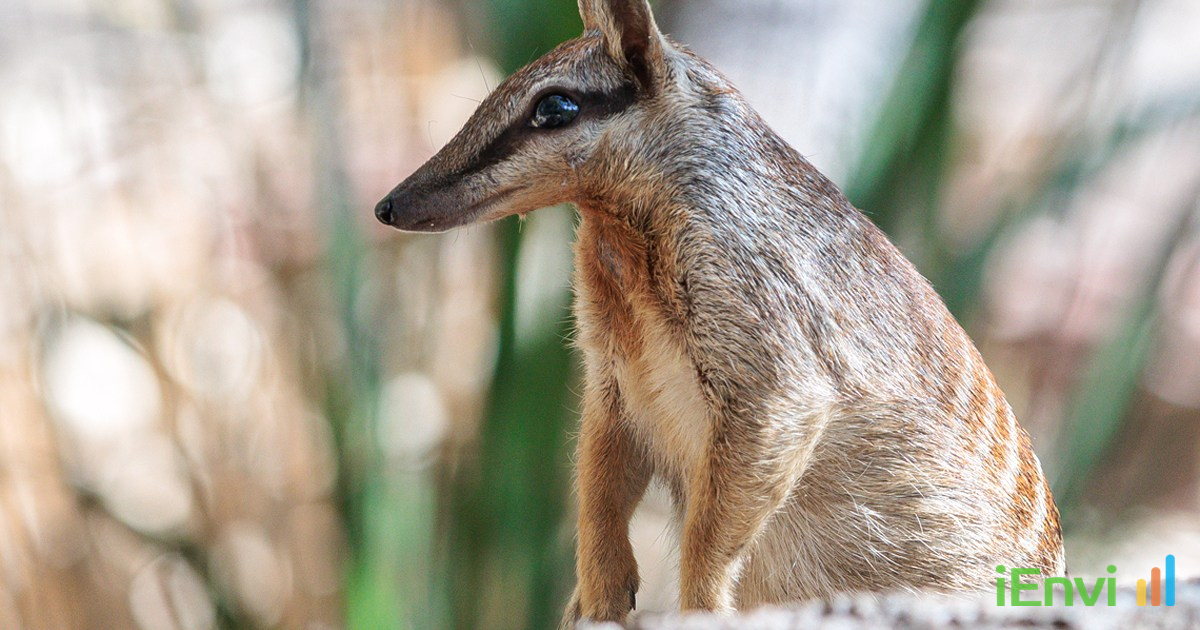
IUCN Red List Downlists Western Australia’s Numbat to Near Threatened
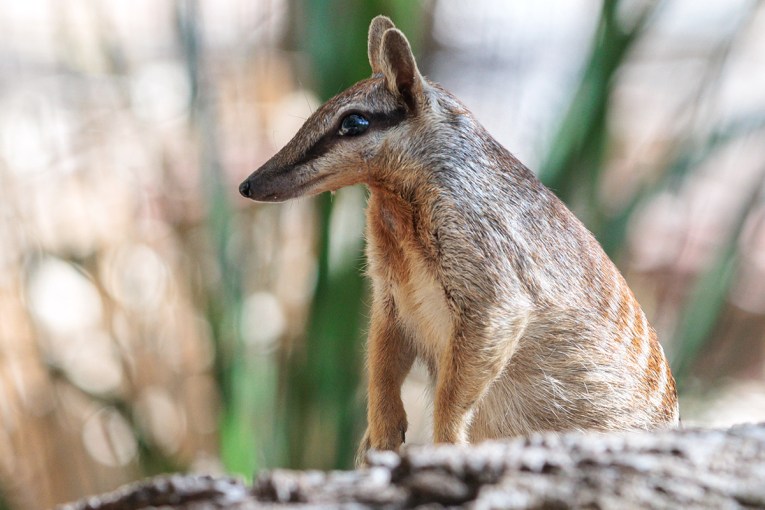
On 12 July 2026, the International Union for Conservation of Nature (IUCN) officially downlisted the numbat (Myrmecobius fasciatus), Western Australia’s faunal emblem, from Endangered to Near Threatened on the IUCN Red List of Threatened Species. The announcement represents one of the most significant recoveries of an Australian mammal species in modern conservation history, and stands as direct evidence that sustained, coordinated intervention can reverse extinction trajectories for even the most imperilled native fauna. The wild numbat population has rebounded from a critical low of approximately 300 individuals in the late 1970s to an estimated 2,000 to 3,000 mature individuals today, a recovery driven by decades of intensive feral predator control, the creation of predator-proof fenced reserves, and successful captive breed-for-release programmes led by institutions including Perth Zoo.
The same IUCN update, however, delivered a sharply contrasting message. Following a comprehensive taxonomic review, five Australian marsupials were formally confirmed as Extinct on the global Red List. These are the little bettong (Bettongia haoucharae) and four species of mulgaras: the crested-tailed mulgara (Dasycercus cristicauda), the southern mulgara (D. archeri), the northern mulgara (D. woolleyae), and the little mulgara (D. marlowi). None of these species has been reliably recorded in the field for at least 60 years. This confirmation pushes Australia’s total modern mammal extinction count to more than 40 species, reinforcing Australia’s status as one of the worst nations in the world for mammal extinction rates.
For environmental professionals working across project approvals, biodiversity assessments, and land management in Australia, this IUCN update carries both encouraging and cautionary messages. The numbat’s recovery proves that active, long-term conservation investment produces measurable outcomes. The confirmed extinctions demonstrate the cost of inadequate intervention. Both findings have direct bearing on how consultants, proponents, regulators, and land managers approach biodiversity obligations on projects where threatened fauna and invasive predator impacts are relevant considerations.
Key details of the numbat recovery and concurrent extinctions
The numbat’s population trajectory over the past five decades is well documented. By the late 1970s, the species had been eliminated from most of its former range across southern Australia and was restricted to a handful of remnant woodland patches in south-western Western Australia, with total numbers estimated at around 300 individuals. The recovery to the current estimate of 2,000 to 3,000 mature individuals represents roughly a tenfold increase, achieved over approximately four decades of sustained management. The IUCN’s decision to move the species from Endangered to Near Threatened reflects this population trend, but the classification also signals that the species remains vulnerable to rapid decline if active management is withdrawn.
Despite the population rebound, the numbat currently occupies only approximately 0.04% of its original historical range across Australia. This figure highlights the ecological fragility of the recovery. The species’ habitat is confined primarily to remnant wandoo and jarrah woodland in south-western Western Australia, and the population’s geographic concentration means that any outbreak of disease, a significant predator incursion into fenced reserves, or a severe fire event could rapidly reverse decades of conservation progress. Professor John Woinarski, co-chair of the IUCN SSC Australasian Marsupial and Monotreme Specialist Group, has stated directly: “Today’s assessments show that long-term, strategic and collaborative conservation effort works. Without it, invasive cats and foxes will continue to drive Australia’s small marsupials and native rodents to extinction.”
The primary recovery mechanisms for the numbat have been broad-scale feral predator control targeting red foxes (Vulpes vulpes) and feral cats (Felis catus), the establishment of predator-proof fenced safe havens, and captive breeding and reintroduction programmes. Both the red fox and the feral cat are listed as Key Threatening Processes under the federal Environment Protection and Biodiversity Conservation Act 1999 (Cth) (EPBC Act), a recognition of their documented role in driving native fauna to extinction across the continent. The five species confirmed extinct in this IUCN update are understood to have succumbed largely to the same predation pressures, with no confirmed field records for any of them in at least 60 years. The confirmation of the little bettong and the four mulgara taxa as Extinct removes any remaining ambiguity about their status and formalises losses that ecologists had long suspected.
The numbat is a highly specialised feeder, consuming an estimated 20,000 termites per day and relying on termites as its sole food source. Its foraging behaviour involves repeated digging and probing into soil and rotting timber, which contributes to localised soil disturbance and increases rain penetration into the topsoil profile of the woodland ecosystems it occupies. This digging activity supports soil aeration and moisture retention in degraded woodlands, giving the species a functional ecological role beyond its position in the food web. Numbat reintroduction to areas where the species has been absent therefore has measurable implications for woodland ecosystem processes, not only for population metrics.
Australian context: regulatory frameworks and the IUCN-domestic listing disconnect
The most immediately significant regulatory issue arising from the IUCN’s downlisting is that it does not automatically alter the numbat’s status under Australian domestic legislation, specifically the Environment Protection and Biodiversity Conservation Act 1999 (Cth) (EPBC Act).
References and related sources
- Primary source: www.thenewdaily.com.au
- ozarab.media
- theguardian.com
- numbat.org.au
- mongabay.com
- EPBC Act
How iEnvi can help
iEnvi provides specialist consulting services relevant to this topic. Our team includes CEnvP Site Contamination Specialists with experience across contaminated land, groundwater, remediation, ecology, and regulatory compliance.
- iEnvi contaminated land investigation services
- iEnvi remediation and validation services
- iEnvi expert services and independent review services
This is an iEnvi Machete news summary. Prepared by iEnvi to summarise the source article for contaminated land, groundwater, remediation, approvals and site risk professionals.
Published: 14 Jul 2026
Need advice on this topic? Speak to an iEnvi expert at info@ienvi.com.au or 1300 043 684, or contact us online.
Need advice on this issue? iEnvi provides practical, senior-led environmental consulting across contaminated land, remediation, ecology and environmental risk.
Team credentials Contaminated land services Remediation services Groundwater services Talk to iEnvi