
Overview
On 18 November 2026, Federal Minister for the Environment and Water Murray Watt announced three new appointments to the Sydney Harbour Federation Trust. Louise Herron AM, former Chief Executive Officer of the Sydney Opera House, has been appointed Chair for a three-year term commencing 28 November 2026. She succeeds outgoing Chair Professor Tim Entwisle AO. Lynne Ashpole and Kirsten Andrews have also been appointed to the Trust.
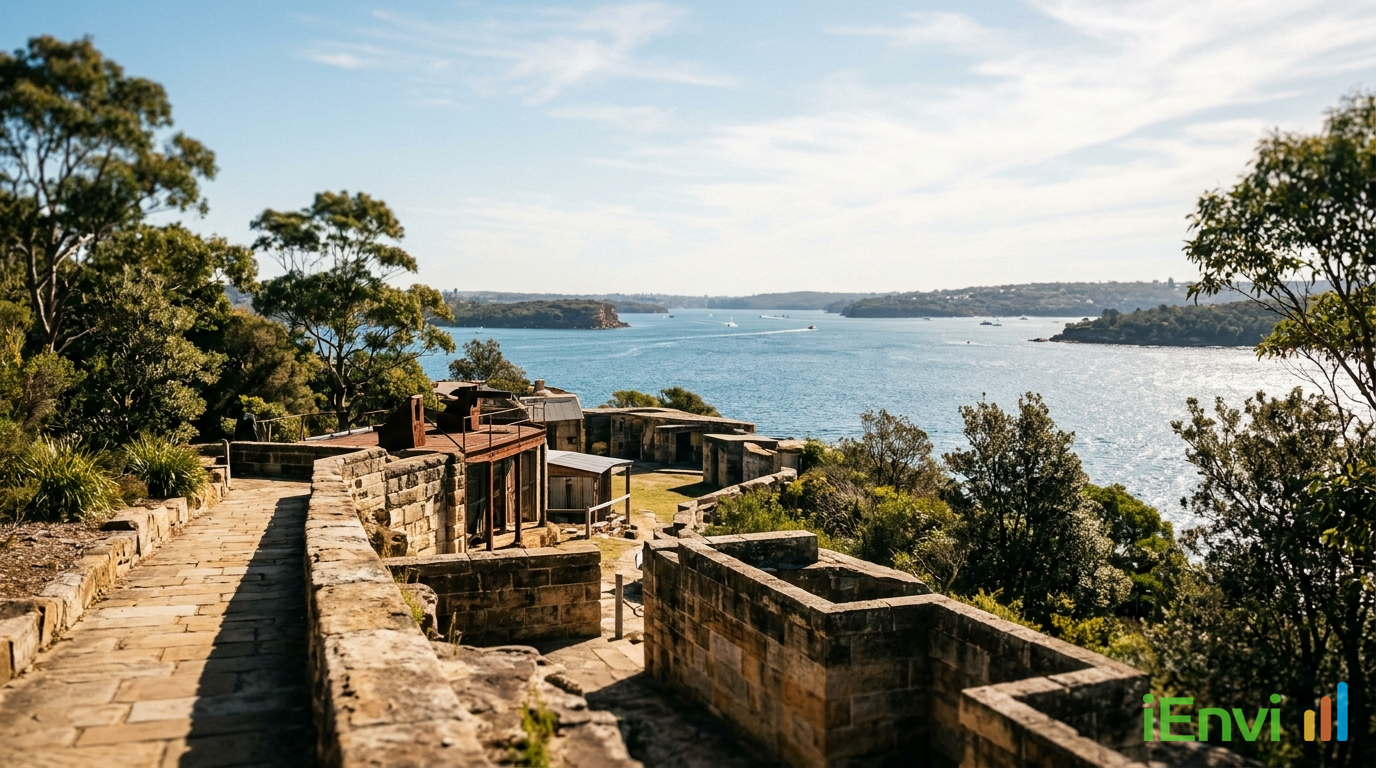
The Harbour Trust is the statutory Commonwealth authority responsible for protecting, rehabilitating and managing nine sites covering approximately 145 hectares of former Defence and other Commonwealth land around Sydney Harbour. These include Cockatoo Island, North Head Sanctuary, Sub Base Platypus at Neutral Bay, Macquarie Lightstation and Headland Park at Mosman. Many of these sites carry legacy contamination from more than a century of maritime, industrial and defence use. They also hold heritage values of national and international significance and support threatened ecological communities.
A board appointment does not change any guideline value or legislative provision. It does matter to developers, contractors, councils, lawyers and environmental consultants. The Trust sets the strategic direction for site plans, capital works, leasing and long-term stewardship on land that sits largely outside the standard NSW development and contaminated land framework. Anyone tendering for, leasing or working next to Trust land should understand who governs these sites, under which legislation, and what obligations attach to them.
Key details
The three appointees bring distinct backgrounds to the Trust. Louise Herron previously led the Sydney Opera House, itself a World Heritage listed place. Lynne Ashpole was the inaugural director of the NSW Better Regulation Office and is the current Chair of the Place Management NSW Board. Kirsten Andrews contributes governance and strategic experience from boards including Destination NSW. Herron’s term runs for three years from 28 November 2026.
The Trust operates under the Sydney Harbour Federation Trust Act 2001 (Cth). Section 6 sets out the Trust’s statutory objects, which centre on protecting, conserving and interpreting the environmental and heritage values of Trust land and maximising public access. Section 7 sets out the Trust’s functions. Part 5 governs the preparation and amendment of plans for Trust land. In practical terms, works on Trust land must be consistent with the Trust’s approved plans, and those plans are the first reference point when scoping any investigation, remediation or construction project.
The Environment Protection and Biodiversity Conservation Act 1999 (Cth) applies directly. Sections 26 to 28 protect the environment from actions taken on Commonwealth land and from actions taken by Commonwealth agencies that are likely to have a significant impact. Section 341ZC prohibits Commonwealth agencies from taking actions likely to have an adverse impact on the heritage values of a Commonwealth Heritage place, unless there is no feasible and prudent alternative and all reasonable measures are taken to mitigate the impact. Cockatoo Island is also included on the National Heritage List and the World Heritage List as part of the Australian Convict Sites, which brings sections 15B and 12 into play respectively. The EPBC framework is subject to ongoing reform, so practitioners should confirm which provisions are in force at the time a referral is scoped.
The contamination profile of Trust land reflects its industrial history. Cockatoo Island operated as a dockyard from 1857 to 1991. Sub Base Platypus was a gasworks, then a torpedo factory, then a submarine base. Former gasworks land typically carries polycyclic aromatic hydrocarbons (PAHs), BTEX, total petroleum hydrocarbons (TPH), cyanide and phenols. Former dockyards commonly add heavy metals, tributyltin (TBT), polychlorinated biphenyls (PCBs) and asbestos, often extending into adjacent harbour sediments. Assessment follows the National Environment Protection (Assessment of Site Contamination) Measure 1999, as amended in 2013, particularly Schedule B1. Health Investigation Level C applies to public open space settings, while HIL D and Health Screening Level D apply to commercial and industrial land uses. PFAS should only be included in an assessment where site history or investigation data support it.
Australian context
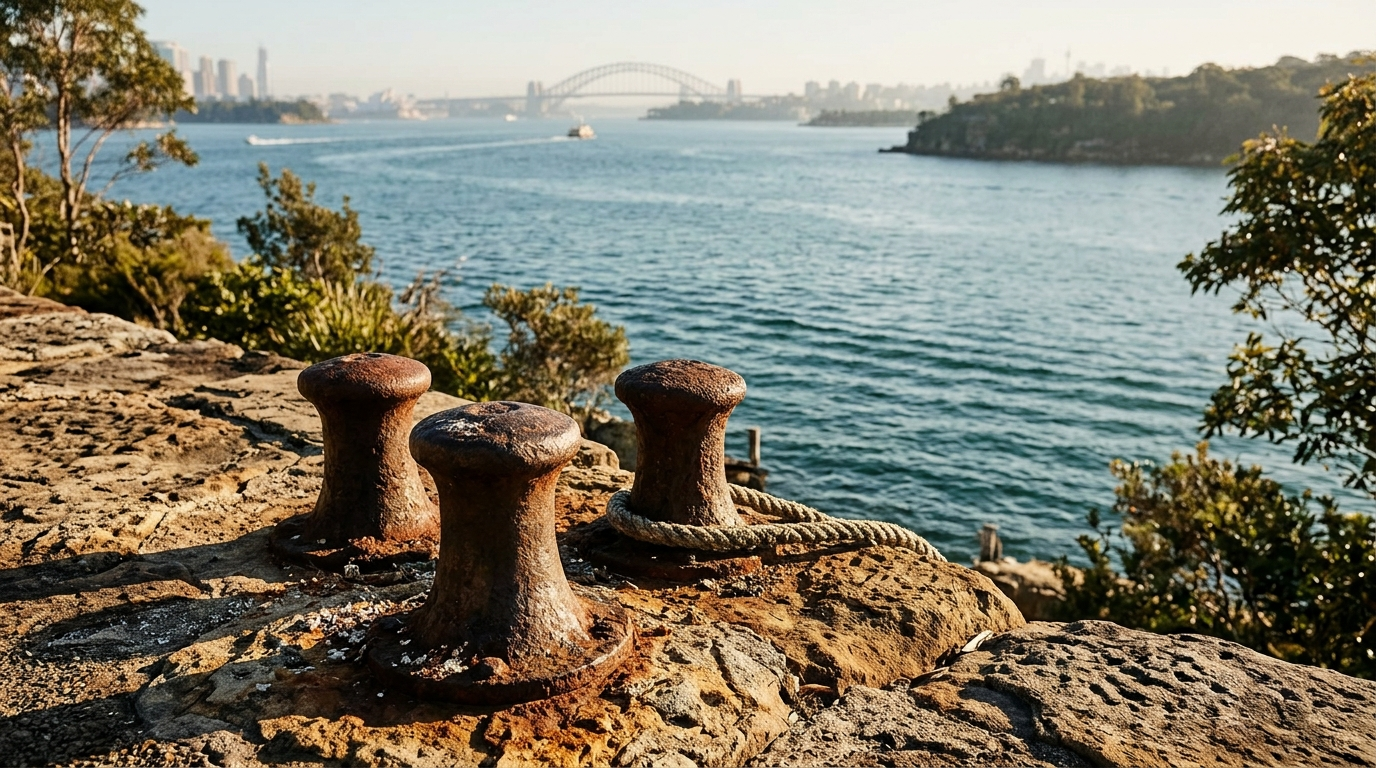
Trust land is Commonwealth land, and that changes the regulatory starting point for contaminated land work in Sydney Harbour. Consultants accustomed to working under the Contaminated Land Management Act 1997 (NSW) and the planning instruments made under the Environmental Planning and Assessment Act 1979 (NSW) should not assume those instruments apply in the usual way. The primary controls are the Sydney Harbour Federation Trust Act 2001 and the EPBC Act. NSW guidance, including NSW EPA consultants reporting guidelines and the site auditor framework, is often adopted as good practice on Commonwealth projects, but its application should be confirmed with the Trust at project inception rather than assumed.
Several national and state instruments remain directly relevant. The ASC NEPM is a national framework and provides the investigation levels and assessment methodology for soil and groundwater on Trust land. For harbour-front sites, the Australian and New Zealand Guidelines for Fresh and Marine Water Quality (ANZG 2018) provide the default guideline values for marine receiving waters and the sediment quality guidelines relevant to former slipways, wharves and dry docks. Waste generated on Trust land and transported to NSW facilities must still be classified under the NSW EPA Waste Classification Guidelines and managed in line with the Protection of the Environment Operations Act 1997 (NSW), because the receiving facility operates under a NSW environment protection licence.
References and related sources
- Primary source: minister.dcceew.gov.au
- https://minister.dcceew.gov.au/watt/media-releases/three-new-appointments-sydney
- NEPM Assessment of Site Contamination
- EPBC Act
How iEnvi can help
iEnvi provides specialist consulting services relevant to this topic. Our team includes CEnvP Site Contamination Specialists with experience across contaminated land, groundwater, remediation, ecology, and regulatory compliance.
- iEnvi remediation services
- iEnvi groundwater services
- iEnvi ecology services
- iEnvi asbestos services
- iEnvi expert services and independent review services
This is an iEnvi Machete news summary. Prepared by iEnvi to summarise the source article for contaminated land, groundwater, remediation, approvals and site risk professionals.
Published: 19 Nov 2026
Need advice on this topic? Speak to an iEnvi expert at info@ienvi.com.au or 1300 043 684, or contact us online.
Need advice on this issue? iEnvi provides practical, senior-led environmental consulting across contaminated land, remediation, ecology and environmental risk.
Team credentials Contaminated land advice Remediation services Groundwater services Talk to iEnvi