
PFAS Bioaccumulation in Melbourne Sparrow Populations
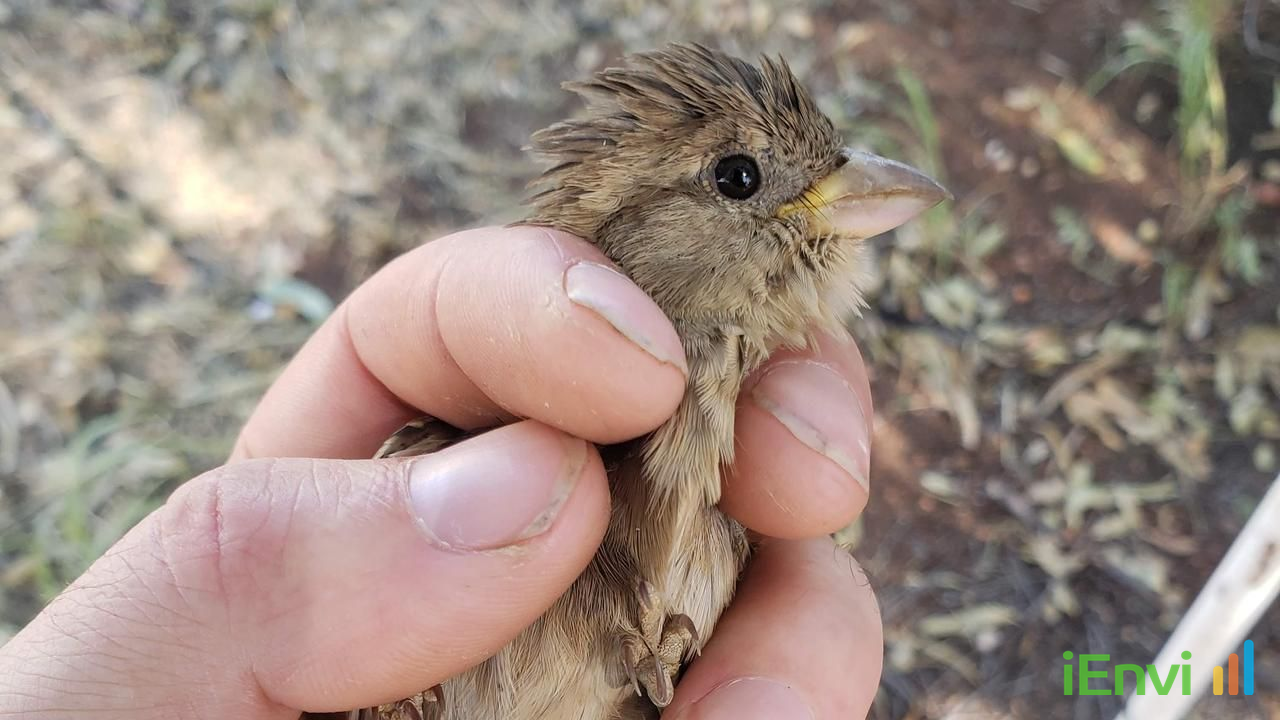
A peer-reviewed study published in Environmental Science and Technology in 2024 by researchers from Macquarie University and EPA Victoria has produced some of the most granular field evidence to date on how per- and polyfluoroalkyl substances (PFAS) move through urban food webs. The research, led by Max Gillings and co-authored by EPA Victoria Chief Environmental Scientist Professor Mark Patrick Taylor, tracked PFAS concentrations in the blood of house sparrows (Passer domesticus) across 16 locations in Melbourne’s southwest, including sites adjacent to the Laverton Royal Australian Air Force (RAAF) base, a wastewater treatment plant, and petrochemical facilities in Altona. The study provides field-validated evidence that PFAS bioaccumulation in wildlife is not a static, lifetime-average phenomenon but a highly dynamic process governed by life stage and diet composition.
The headline finding is striking: median whole-blood concentrations of perfluorooctane sulfonate (PFOS) in urban sparrows near contamination sources were approximately 10 times higher than those measured in rural sparrows from uncontaminated control sites. Critically, this elevated burden was most pronounced in newly fledged juvenile birds, not adults. The researchers attribute this to two compounding exposure pathways operating simultaneously during early development: maternal transfer of PFAS from the hen to the egg during incubation, and the highly insectivorous diet that chicks and fledglings rely on during their first weeks of life. Soil invertebrates, including insects, spiders, snails, and earthworms, are well-established bioaccumulators of PFAS in contaminated soils, making them a concentrated dietary source of the chemicals during this critical window.
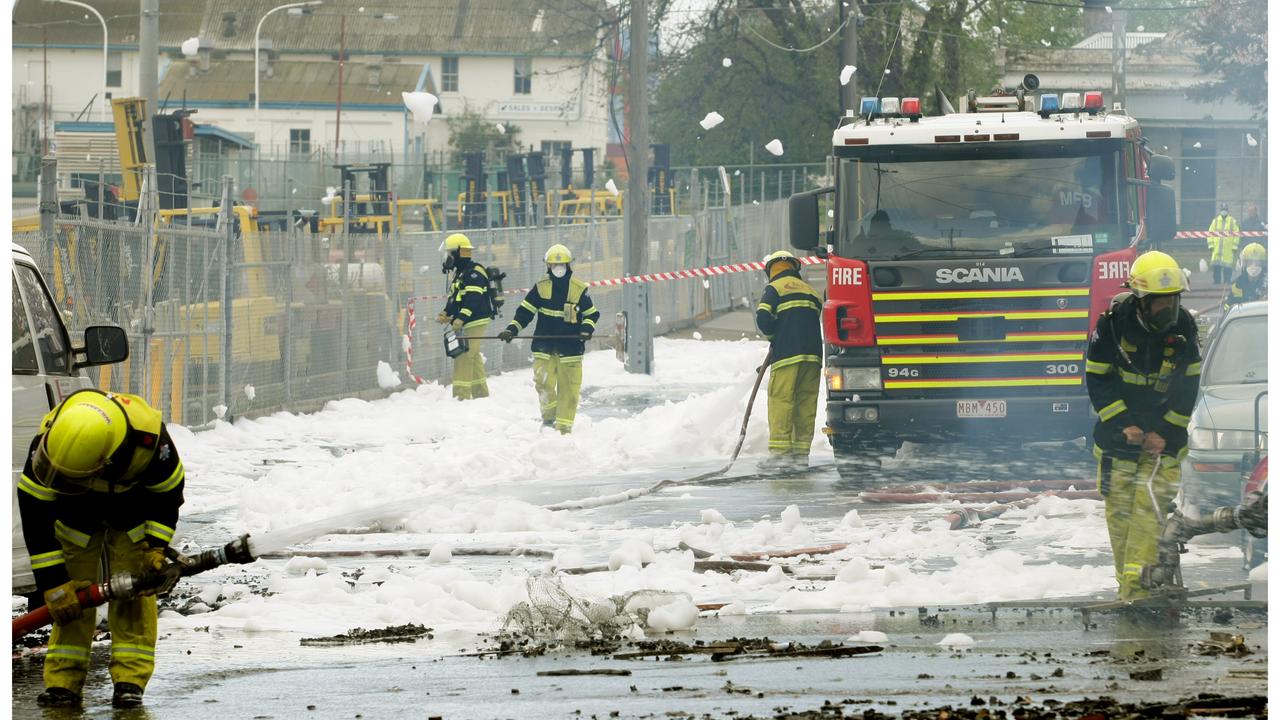
For Australian environmental professionals advising developers, councils, and industrial site operators, this study matters for several reasons beyond its immediate biological findings. It exposes a structural gap in how ecological risk assessments (ERAs) are typically constructed under the National Environment Protection (Assessment of Site Contamination) Measure 2013 (NEPM 2013), it validates the use of common urban birds as cost-effective sentinel species for food-web contamination mapping, and it provides evidence that PFAS contamination from legacy aqueous film-forming foam (AFFF) sources remains tightly localised, which has direct consequences for how site owners scope and fund remediation programmes.
Key details of the Melbourne sparrow PFAS study
The study analysed whole-blood samples from house sparrows collected across 16 locations in Melbourne, with sampling sites stratified to capture a range of land uses from known AFFF source zones to rural reference areas with no documented PFAS contamination history. The primary analyte of interest was PFOS, the sulfonyl-based PFAS compound historically present in AFFF formulations used at military airfields and airports, but the researchers also screened for a broader suite of perfluoroalkyl carboxylic acids and sulfonates. PFOS concentrations in juvenile sparrows at source-adjacent sites were approximately 10 times the median concentrations recorded at rural reference locations, representing a statistically significant signal rather than an outlier observation.
The age-dependent exposure dynamic is central to the study’s contribution. Newly fledged sparrows, which are in the first several weeks post-hatching, showed peak PFAS burdens attributable to two distinct pathways. First, maternal transfer: PFAS compounds are protein-binding, and hens roosting and foraging near contaminated soils accumulate PFAS in their blood and tissues, which are then partitioned into the egg yolk and albumen during formation. Second, dietary composition: fledglings are fed and self-forage almost exclusively on soil invertebrates during early development. These invertebrates, particularly earthworms and surface-dwelling insects, are highly efficient bioaccumulators of PFAS from contaminated soils, meaning the dietary dose delivered per gram of food consumed is substantially higher than what an adult seed-eating sparrow would receive. As birds matured and transitioned to a predominantly seed and grain diet, whole-blood PFOS concentrations declined measurably, consistent with the elimination half-lives observed for PFOS in avian species.
The spatial pattern of contamination is equally significant from a site management perspective. The researchers documented that elevated PFAS levels were highly localised to the immediate vicinity of the identified source sites, particularly around the Laverton RAAF base, which has a well-documented history of AFFF use across its fire training areas and emergency response activities. This localisation finding is consistent with the understood transport behaviour of PFOS-dominant AFFF plumes in unsaturated and shallow saturated zones: while dissolved PFAS can migrate in groundwater, the soil-bound fraction available to terrestrial invertebrates is primarily concentrated within and immediately adjacent to source zones. The study did not detect a diffuse, metropolitan-scale distribution of elevated PFAS in sparrow blood, which contradicts a worst-case assumption sometimes applied in scoping-level ERAs for sites within the broader industrial southwest Melbourne corridor.
The research also carries methodological significance for practitioners designing ERAs. Under NEPM 2013 Schedule B5b, ecological risk assessments are structured around conceptual site models (CSMs) that define exposure pathways, receptor species, and exposure point concentrations. The sparrow data demonstrates that a static dietary assumption, where a receptor is modelled as consuming the same proportional mix of food types across its entire lifespan, will produce an exposure estimate that systematically underestimates peak juvenile exposure during the critical early-life window when invertebrate consumption is at its highest and maternal PFAS transfer compounds the dietary burden.
References and related sources
- Primary source: pfascentral.org
- news.cn
- inkl.com
- figshare.com
- PFAS National Environmental Management Plan (NEMP)
How iEnvi can help
iEnvi provides specialist consulting services relevant to this topic. Our team includes CEnvP Site Contamination Specialists with experience across contaminated land, groundwater, remediation, ecology, and regulatory compliance.
- iEnvi remediation services
- iEnvi PFAS services
- iEnvi expert services and independent review services
This is an iEnvi Machete news summary. Prepared by iEnvi to summarise the source article for contaminated land, groundwater, remediation, approvals and site risk professionals.
Published: 14 Jul 2026
Need advice on this topic? Speak to an iEnvi expert at info@ienvi.com.au or 1300 043 684, or contact us online.
Need advice on this issue? iEnvi provides practical, senior-led environmental consulting across contaminated land, remediation, ecology and environmental risk.
Team credentials Ecological risk assessment Environmental management plans Contaminated land advice Talk to iEnvi