
Overview
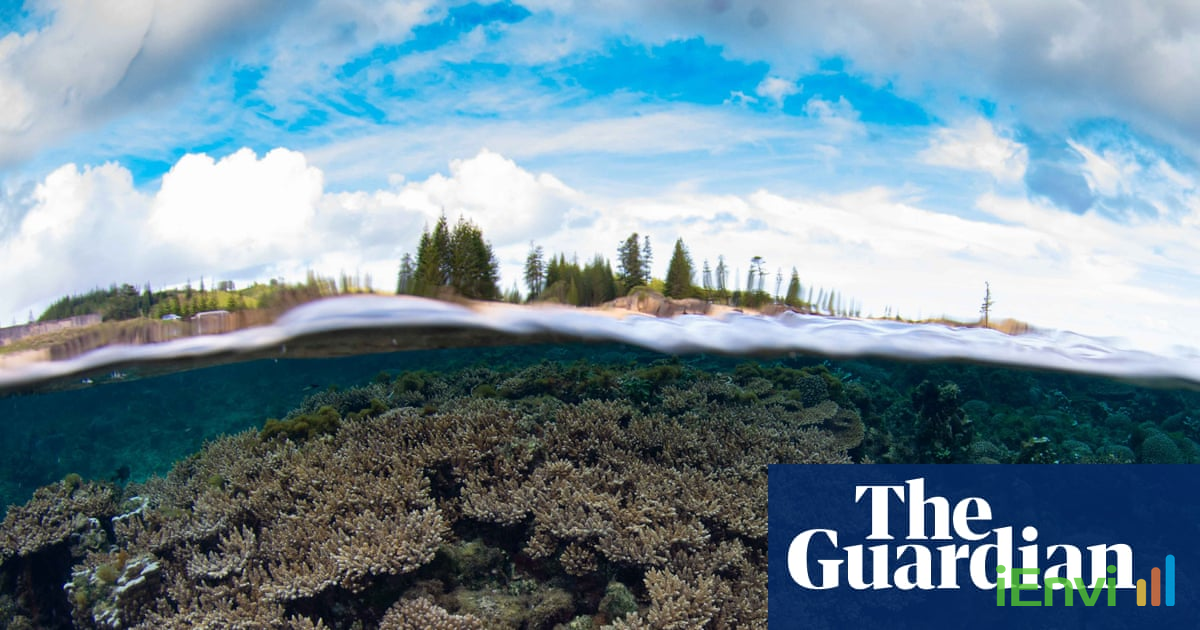
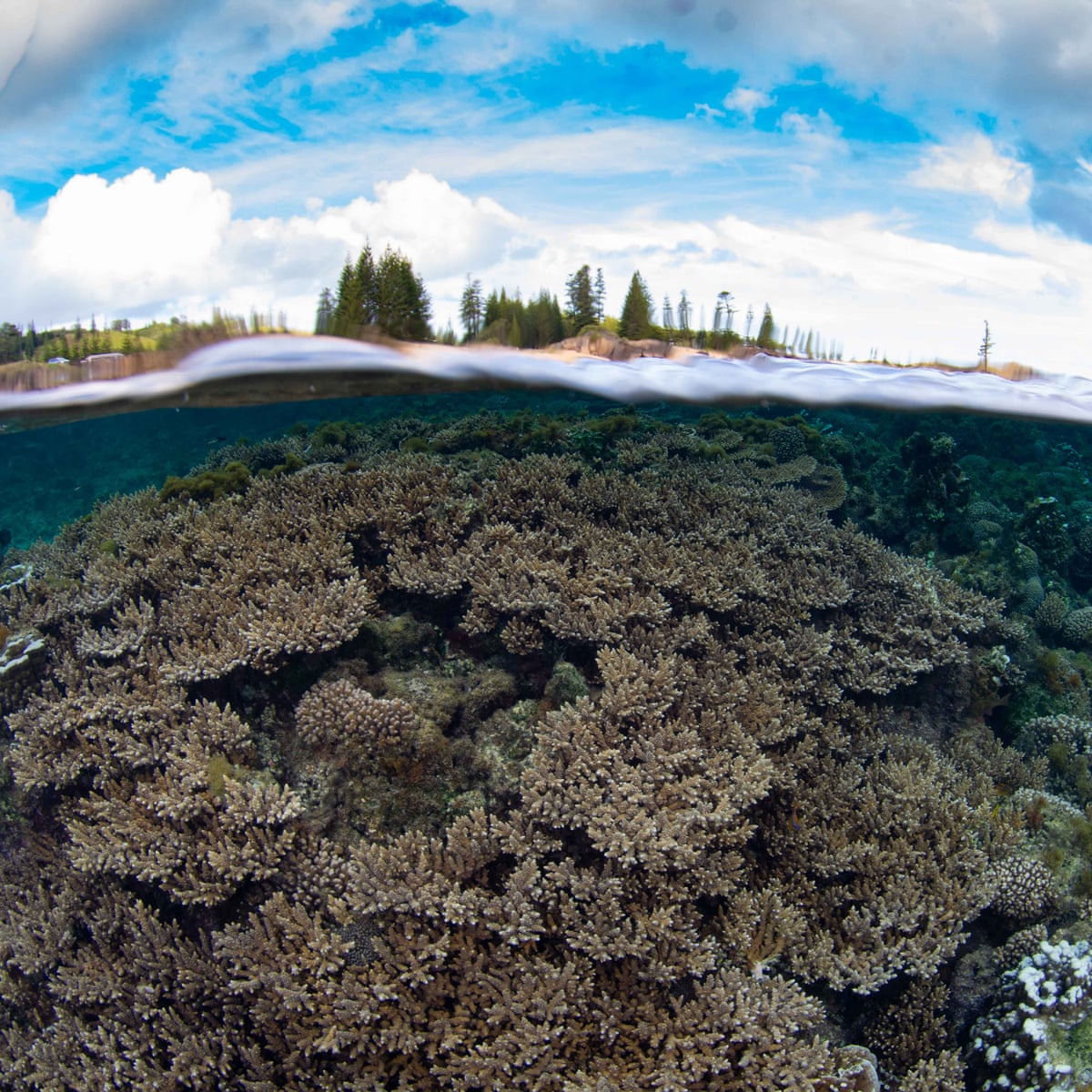
Norfolk Island’s coral reefs are facing a convergence of threats that scientists are describing as a genuine ecological emergency. Professor Bill Leggat from the University of Newcastle, who has been monitoring the island’s marine environment for five years, reported in July 2026 a three-fold increase in the proportion of diseased corals since March of that year, making it one of the longest-running coral disease events ever recorded on Australian reefs. The disease in question is “white syndrome”, a bacterial infection that causes rapid tissue loss in affected colonies and spreads readily under conditions of thermal and nutrient stress.
What makes this crisis particularly consequential is the biological uniqueness of the reef system itself. Scientists estimate that most of Norfolk Island’s coral species have not yet been formally described by science. That is not a minor taxonomic footnote. It means that extinction events occurring right now would permanently erase organisms that have never been catalogued, studied, or had their ecological roles understood. The loss would be irreversible in every meaningful sense. For environmental professionals working in impact assessment, this raises the stakes considerably: a project contributing to reef degradation here cannot simply be offset against a notional equivalent elsewhere in Australia.
The crisis is being driven by three concurrent stressors acting in combination. Land-based runoff from cattle farming, cleared land, and inadequate wastewater management is delivering elevated nutrients and sediment loads directly into the island’s bays, creating conditions that promote both coral disease proliferation and algal overgrowth. This terrestrial pollution load is occurring against a backdrop of El Niño-induced thermal stress that has already weakened coral immune responses. The third threat comes from a federal government-approved plan to dredge a neighbouring shipping channel, which carries the risk of introducing additional sediment plumes into an already compromised system. For developers, coastal managers, councils, and regulators, this situation is a pointed illustration of how land-use decisions and infrastructure approvals interact with marine ecological health in ways that sequential, single-project assessments routinely fail to capture.
Key details of the Norfolk Island coral crisis
The three-fold increase in diseased corals recorded since March 2026 is the central quantitative finding underpinning the scientific alarm. Professor Leggat’s five-year monitoring baseline is significant because it provides a defensible pre-disturbance reference condition, something that is often absent in marine impact assessments conducted for individual projects. The duration of the current white syndrome outbreak already exceeds comparable events recorded elsewhere on Australian reefs, suggesting that the conditions sustaining the disease have not been transient. White syndrome is not a single pathogen but a disease complex associated with bacterial communities that proliferate under elevated nutrient and temperature conditions. The combination of warm water from El Niño thermal stress and nutrient enrichment from terrestrial runoff creates a compounding vulnerability: thermal stress suppresses coral immune function while excess nutrients fuel pathogen populations and algal competitors simultaneously.
The land-based pollution sources identified by researchers include sediment mobilised from cleared land and unsealed tracks, nutrient inputs from cattle grazing in catchments that drain to the coast, and inadequately treated wastewater discharging into nearshore waters. These are not diffuse or poorly characterised sources. They are the standard suite of land-use pressures that environmental consultants quantify routinely on mainland coastal projects using event mean concentration monitoring, sediment budget modelling, and nutrient load calculations. The Australian and New Zealand Guidelines for Fresh and Marine Water Quality (ANZG 2018) provide default guideline values (DGVs) for turbidity and nutrients in marine receiving environments that would be the applicable technical benchmark for assessing whether current loads at Norfolk Island exceed acceptable thresholds. For tropical and subtropical reef systems, the ANZG 2018 DGV for total nitrogen in nearshore marine waters is typically in the range of 15 micrograms per litre, with chlorophyll-a thresholds at or below 1.4 micrograms per litre depending on the ecosystem type. Exceedances of these values in coral reef receiving environments are associated with measurable increases in disease prevalence and bleaching severity.
Norfolk Island’s waters sit within the Temperate East Marine Parks Network, which is managed under the Temperate East Marine Parks Network Management Plan and the broader framework of the Environment Protection and Biodiversity Conservation Act 1999 (Cth) (EPBC Act). The EPBC Act lists Commonwealth Marine Areas as a Matter of National Environmental Significance (MNES). Any action that has, will have, or is likely to have a significant impact on a MNES requires referral to the Commonwealth Minister for the Environment and, depending on the referral decision, a full environmental impact assessment. The federal dredging approval that forms the third element of the triple threat would have been subject to this process, which makes the approval particularly contentious from a scientific standpoint: it proceeded despite the documented pre-existing ecological stress on the receiving environment.
The undescribed species dimension adds a further regulatory and ethical layer. Under the EPBC Act, listing a species as threatened requires that it be formally described and named. Coral taxa that have not yet been described cannot be listed, assessed for conservation status, or given the legal protections afforded to listed species under the EPBC Act.
References and related sources
- Primary source: www.theguardian.com
- theguardian.com
- EPBC Act
How iEnvi can help
iEnvi provides specialist consulting services relevant to this topic. Our team includes CEnvP Site Contamination Specialists with experience across contaminated land, groundwater, remediation, ecology, and regulatory compliance.
- iEnvi contaminated land investigation services
- iEnvi remediation and validation services
- iEnvi expert services and independent review services
This is an iEnvi Machete news summary. Prepared by iEnvi to summarise the source article for contaminated land, groundwater, remediation, approvals and site risk professionals.
Published: 05 Jul 2026
Need advice on this topic? Speak to an iEnvi expert at info@ienvi.com.au or 1300 043 684, or contact us online.
Need advice on this issue? iEnvi provides practical, senior-led environmental consulting across contaminated land, remediation, ecology and environmental risk.
Team credentials Contaminated land services Remediation services Groundwater services Talk to iEnvi