
Overview of Queensland’s Less Landfill, More Recycling Strategy
The Queensland Government announced on 27 July 2024 the launch of the $487 million Waste Reduction and Recycling Activation Fund, a five-year investment package designed to arrest more than a decade of declining resource recovery rates across the state. The fund is the financial centrepiece of the newly implemented Less Landfill, More Recycling 2035: Queensland Waste Strategy, which establishes a statewide target of 65 per cent reduction in waste sent to landfill by 2035, with a more ambitious 70 per cent diversion target applying to South East Queensland. The strategy represents the most significant structural reform to Queensland’s waste and resource recovery sector in many years, and the scale of the funding commitment signals that the state government intends to back the policy with genuine capital rather than aspirational language.
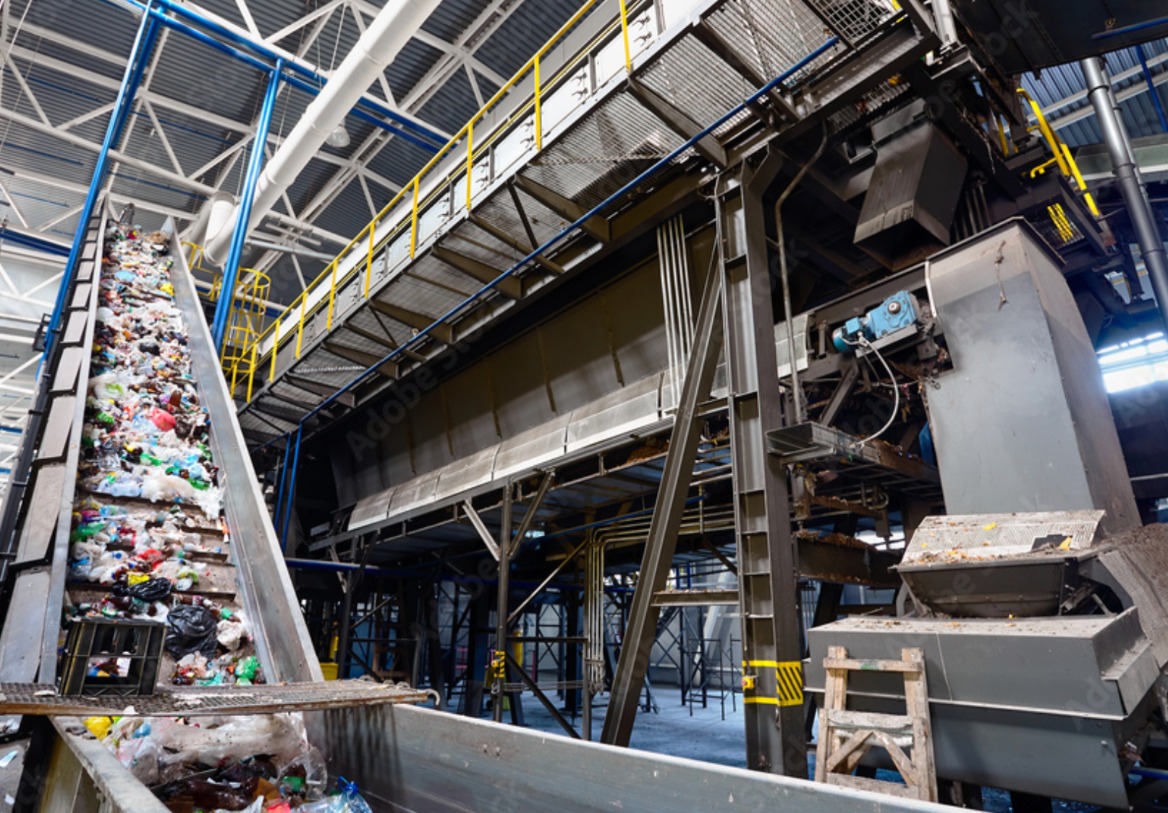
For environmental professionals, the fund matters because it is not a single infrastructure procurement. It is a multi-stream grant and partnership architecture that will simultaneously generate demand for environmental impact assessments, planning approvals, site suitability investigations, contaminated land due diligence, environmental management plans, and regulatory compliance advice across dozens of proposed facilities. Councils, private waste operators, and resource recovery businesses will be competing for grant allocations, and each successful application will typically trigger a sequence of environmental and planning approvals before a shovel enters the ground. The pipeline of new composting, materials recovery, and energy-from-waste facilities implied by this investment level is substantial.
The fund operates under the legislative authority of the Waste Reduction and Recycling Act 2011 (Qld) and is supported by the Environmental Protection Act 1994 (Qld). Practitioners advising clients in Queensland should treat the strategy’s landfill diversion targets as an emerging compliance baseline, not merely an aspirational benchmark, because future development approvals, waste management plans submitted with development applications, and environmental authority conditions are likely to be assessed against these targets as the strategy matures.
Key details of the $487 million Waste Reduction and Recycling Activation Fund
The $487 million package is divided across eight discrete funding streams, each targeting a specific gap in Queensland’s resource recovery system. The largest single allocation is the Resource Recovery Boost Fund, which has been increased by $40 million to reach a total of $170 million. This stream is directed at local councils and is intended to accelerate the delivery of sorting and recycling infrastructure, including materials recovery facilities, transfer station upgrades, and associated civil works. The $40 million uplift from the fund’s previous level reflects the government’s acknowledgement that existing council infrastructure is insufficient to meet the 65 per cent diversion target without significant capital investment.
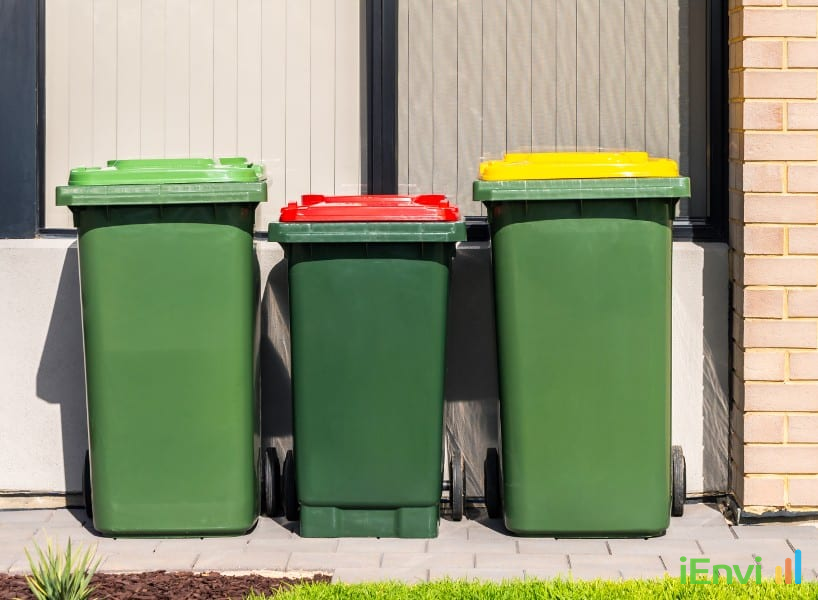
The Kerbside Bin Activation Fund, allocated at $55 million, expands on the existing GROW FOGO (Food Organics and Garden Organics) programme to extend organic waste collection services to more Queensland households. FOGO collection is widely recognised as one of the highest-impact interventions for landfill diversion, given that organic material typically represents around 40 to 50 per cent of household residual waste by weight. The $11 million Regional Recycling Transport Fund specifically addresses the logistical economics of operating resource recovery supply chains outside South East Queensland, where transport distances to processing hubs have historically made recycling financially unviable compared to direct landfill disposal. By subsidising freight costs, this stream is designed to unlock circular economy activity in regional and remote areas that have previously been structurally excluded from recovery markets.
Three further streams address emerging and complementary priorities. The Residual Waste Fund receives $12.5 million to support energy-from-waste initiatives, reflecting the government’s acceptance that some residual waste fractions cannot practically be recycled and that thermal treatment with energy recovery is preferable to landfilling. The Waste Technology and Innovation Fund receives $11.7 million to support advanced and pioneering processing technologies, which may include chemical recycling, pyrolysis, or other emerging recovery pathways. The Fighting Illegal Dumping Partnership Program is allocated $17.7 million, recognising that improved formal collection infrastructure must be paired with enforcement action to prevent diversion of materials to uncontrolled disposal. The Recycle Wise Education Fund ($18.5 million) and a Statewide Recycling Infrastructure Plan ($2 million) complete the package, the latter intended to provide strategic coordination across the infrastructure investments being made through the other streams.
The statewide landfill diversion targets are the regulatory numbers that will most directly affect project proponents and their advisers. A 65 per cent reduction in waste to landfill across Queensland, rising to 70 per cent in South East Queensland, represents a material step-change from current performance. These targets are embedded in a strategy that operates alongside the Waste Reduction and Recycling Act 2011 (Qld), and conditions attached to environmental authorities, development approvals, and waste facility licences are expected to progressively reflect these benchmarks as the strategy is implemented through to 2035.
Australian context: how the Queensland strategy aligns with national and state frameworks for waste and resource recovery
Queensland’s strategy and fund do not exist in isolation. They sit within Australia’s broader National Waste Policy framework, which sets the overarching direction for waste reduction and resource recovery across all jurisdictions. The National Waste Policy Action Plan establishes shared targets including an 80 per cent average resource recovery rate from all waste streams by 2030, and Queensland’s 2035 strategy is structured to contribute meaningfully to that national objective. Other states and territories have pursued comparable frameworks — Victoria’s Circular Economy (Waste Reduction and Recycling) Act 2021 and New South Wales’s Waste and Sustainable Materials Strategy 2041 represent the most developed analogues — and Queensland’s investment positions the state to close the performance gap that has emerged relative to southern jurisdictions over the past decade. For practitioners operating across state boundaries, the alignment between these frameworks means that compliance expectations, infrastructure standards, and recovery benchmarks are converging nationally, even where the specific legislative mechanisms differ between jurisdictions.
References and related sources
- Primary source: wastemanagementreview.com.au
- www.qld.gov.au
- australianmanufacturing.com.au
- miragenews.com
- www.qld.gov.au
How iEnvi can help
iEnvi provides specialist consulting services relevant to this topic. Our team includes CEnvP Site Contamination Specialists with experience across contaminated land, groundwater, remediation, ecology, and regulatory compliance.
- iEnvi contaminated land investigation services
- iEnvi remediation and validation services
- iEnvi expert services and independent review services
This is an iEnvi Machete news summary. Prepared by iEnvi to summarise the source article for contaminated land, groundwater, remediation, approvals and site risk professionals.
Published: 27 Jul 2026
Need advice on this topic? Speak to an iEnvi expert at info@ienvi.com.au or 1300 043 684, or contact us online.
Need advice on this issue? iEnvi provides practical, senior-led environmental consulting across contaminated land, remediation, ecology and environmental risk.
Team credentials Environmental management plans Contaminated land services Remediation services Talk to iEnvi