
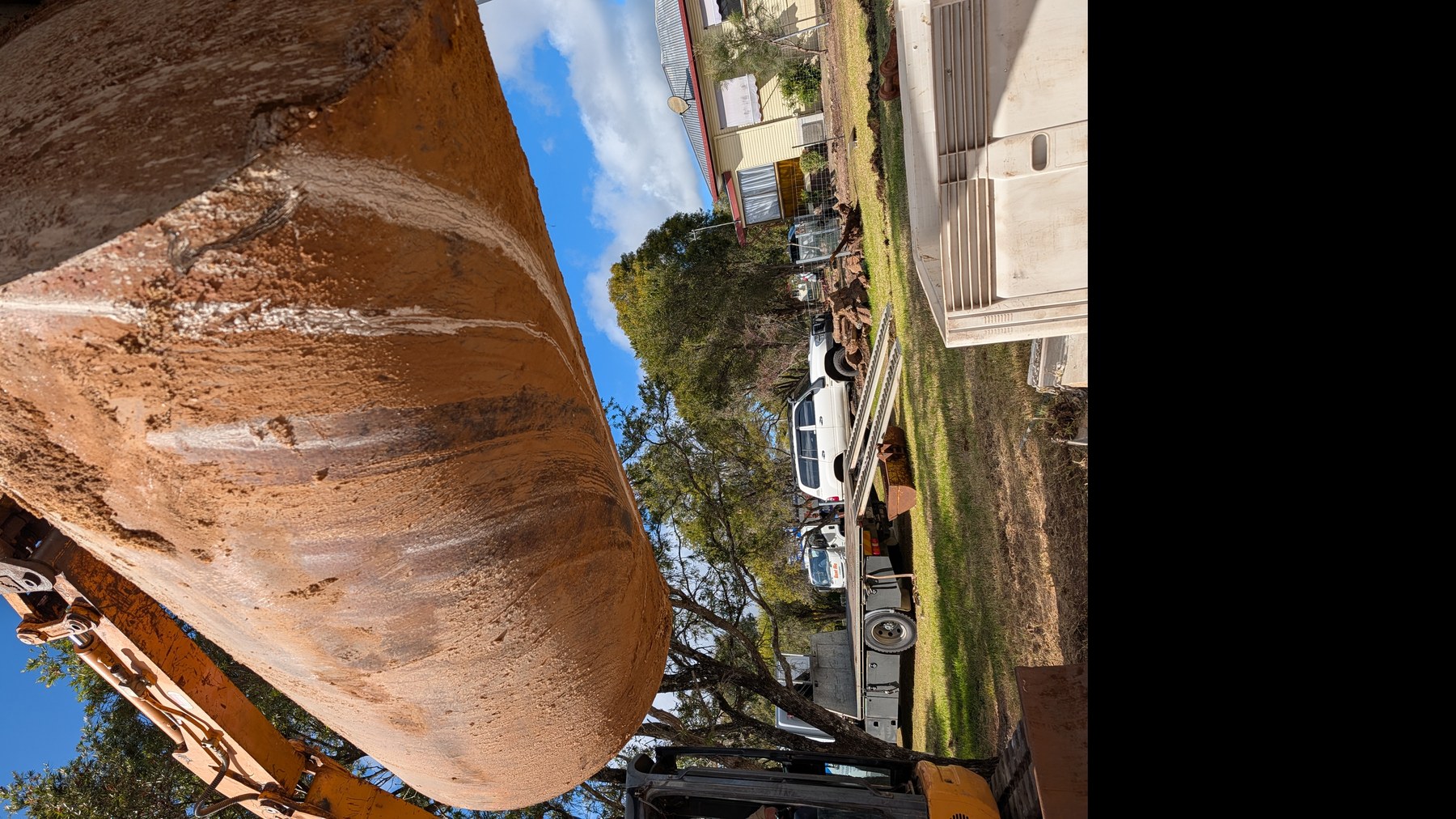
Project status at July 2026: UPSS investigation, tank removal and validation fieldwork are in progress. Combined PSI/DSI reporting, Contaminated Land Investigation Document (CLID) preparation and auditor certification for Environmental Management Register (EMR) removal remain ahead.
Project overview
iEnvi is delivering underground petroleum storage system (UPSS) investigation, tank removal validation and Contaminated Land Investigation Document (CLID) preparation for an investment property in Crows Nest, Queensland, listed on the Environmental Management Register (EMR). The listing reflects historical use that included a small underground storage tank and pump associated with a previous owner’s local bus operations, while part of the property remains in residential lease. Owners should confirm the exact notifiable activity wording and register particulars on their current EMR search, as the tank volume alone is not necessarily the statutory listing trigger.
The objective is straightforward: validate that the UPSS infrastructure has been removed without ongoing contamination, prepare a validation CLID to auditor standard, and support removal of the land from the EMR so the owner can hold and deal with the asset without a public contaminated land listing.
Site context
- EMR context: Historical small UST and pump (approximately 2,000 L), not a full commercial service station footprint — confirm the register particulars on the current EMR search
- Current use: Mixed residential lease and yard areas available for investigation access
- Owner role: Provision of an excavator and operator for tank exposure and removal. iEnvi retained control of the environmental scope, excavation observations, validation sampling locations, sample collection, chain of custody and reporting
Investigation and validation scope
iEnvi’s scope combines the steps Queensland auditors typically expect on small UPSS EMR sites:
- Desktop Preliminary Site Investigation and Sampling and Analysis Quality Plan (SAQP), informed by the ASC NEPM, Queensland CLID requirements and relevant interstate UPSS technical guidance where useful. Interstate UPSS guidance was used as supplementary good practice rather than as a Queensland statutory requirement
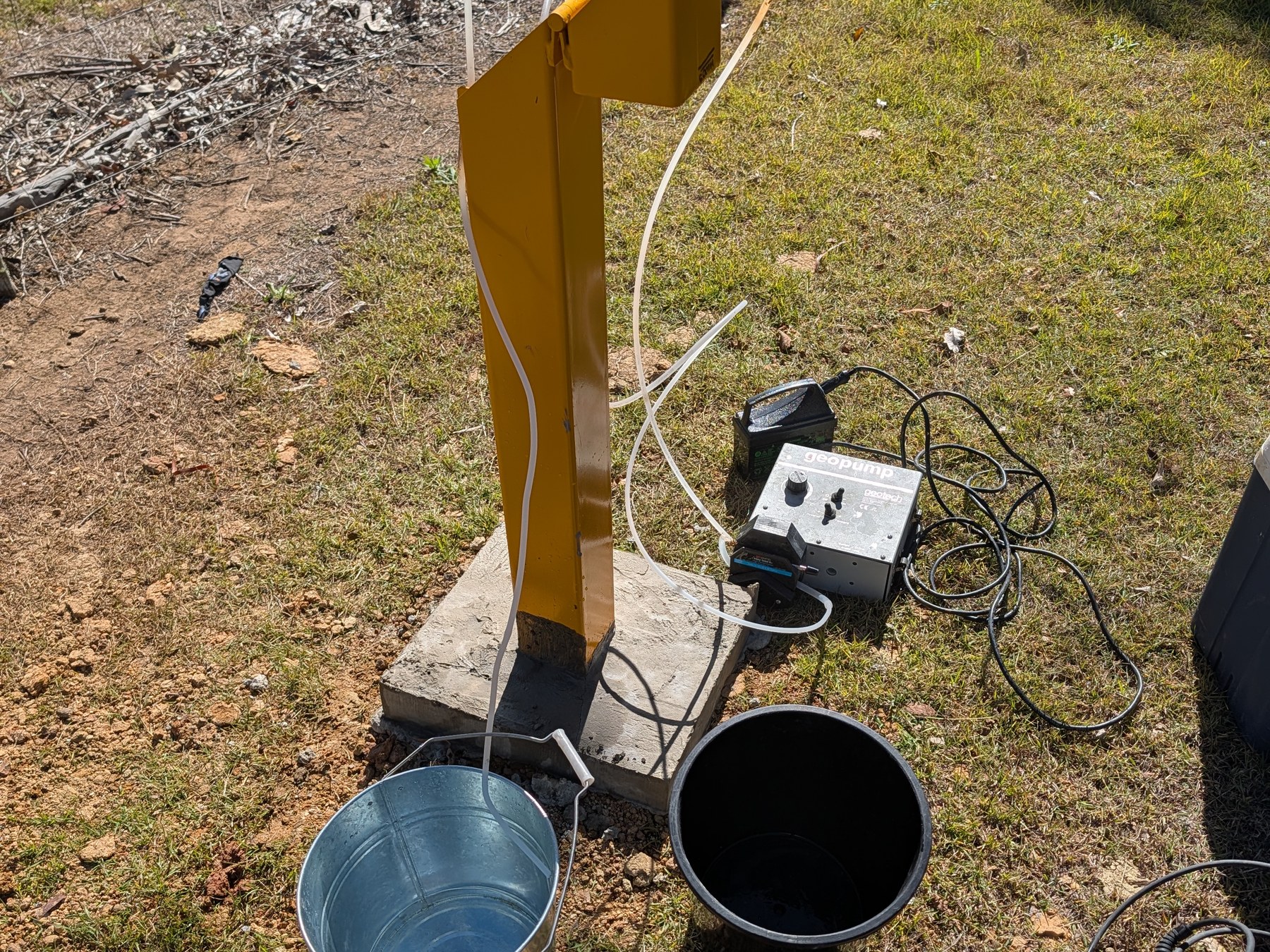
- Installation of groundwater monitoring wells and an initial groundwater monitoring round, with additional monitoring to be completed if required by the results, seasonal conditions or auditor review
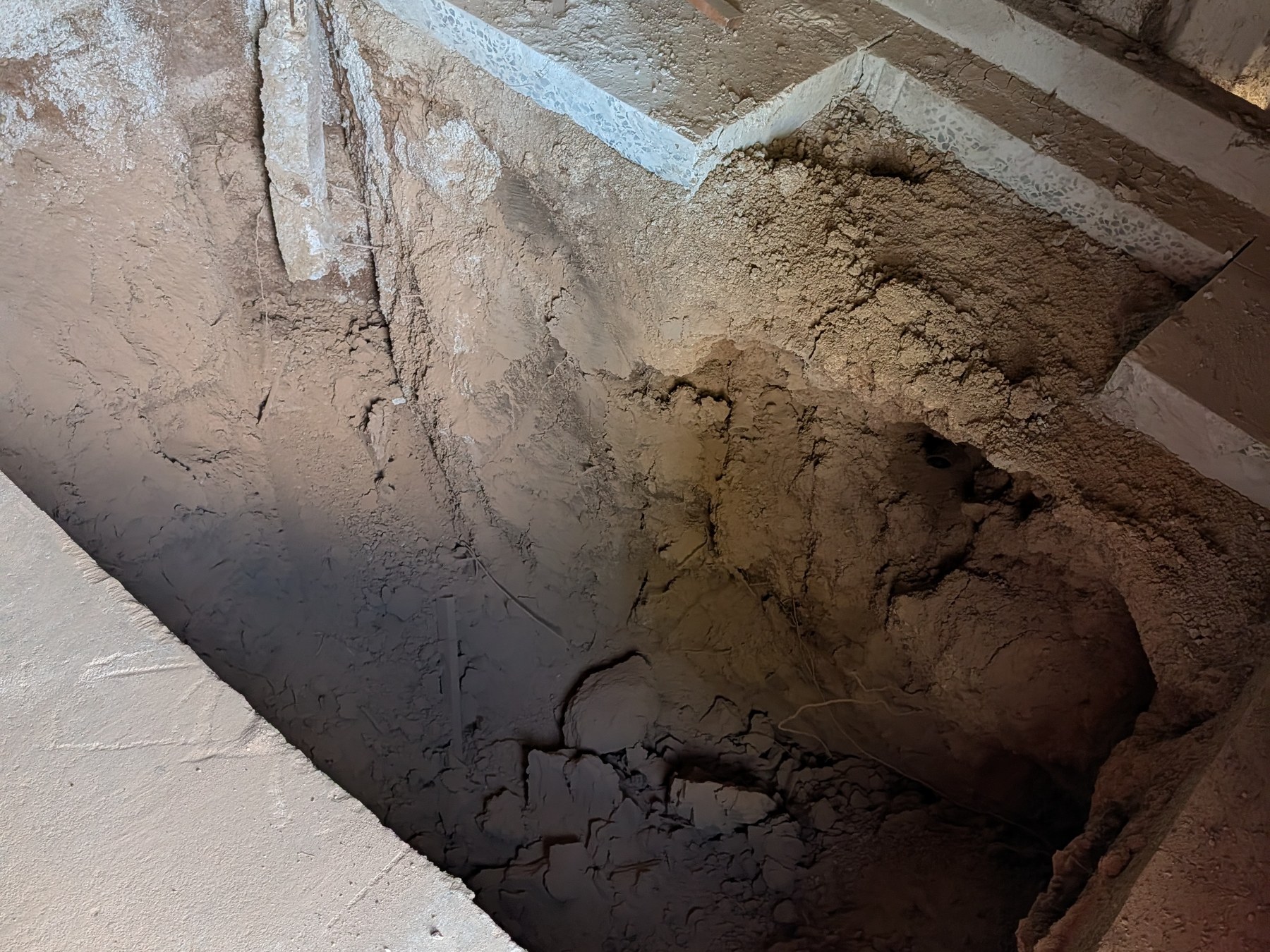
- Test pits and UST decommissioning oversight on a single excavation day
- Validation sampling beneath the tank and pump locations. Where elevated concentrations were identified in shallow disturbed material associated with tank handling, additional vertical and lateral delineation sampling was undertaken. All results remain part of the assessment, with the broader dataset used to distinguish localised handling impacts from evidence of historical tank leakage
- Waste classification for the limited volume of soil requiring disposal
- Combined PSI/DSI reporting prepared to auditor and CLID quality
- Validation CLID and engagement of an approved contaminated land auditor for certification ahead of DETSI lodgement
Field observations to date have been favourable: the tank showed no holes or leaks, and borehole and sampling works did not identify gross contamination. Laboratory results and groundwater data then determine whether the site can proceed straight to validation CLID or needs limited delineation first.
Why this pathway is efficient for small UPSS listings
Not every EMR-listed tank site needs a large remediation programme. Where the tank is small, removal is clean, and soil/groundwater data support it, the cost sits in:
- Getting the investigation design right for Module 6 / auditor expectations the first time
- Documenting validation to Contaminated Land Investigation Document standard
- Budgeting the CLID preparation and DETSI application as a separate final stage once results are known
iEnvi has recently completed comparable EMR removal programmes (PSI/DSI, validation and CLID through auditor sign-off) on commercial and residential petroleum sites in south-east Queensland. That reduces duplicated effort on SAQP structure, validation tables and auditor comment themes that recur on these matters.
Practical takeaways for property investors
- EMR listings survive ownership change. Buying or holding a rural or town investment with a historic bus, workshop or farm fuel tank often means inheriting a public register listing until someone funds the CLID pathway.
- Tenant occupation can still work. Investigation can be staged around leased house yards if wells and excavation areas sit outside the exclusive residential area.
- Engage the auditor separately — early or later depending on complexity. For EMR removal, an approved contaminated land auditor must certify the CLID. That is a separate landowner engagement from the SQP/consultant. Early engagement reduces redesign risk on complex sites; on straightforward small-tank programmes, many owners engage once the validation dataset is largely complete.
- Former fuel storage is broader than “service stations”. Small USTs, farm and workshop tanks and bowsers can leave the same EMR trigger as a commercial UPSS site.
- Keep waste volumes honest. Minor removal drips are not the same as a leaking tank. Proper vertical and lateral delineation can determine whether an elevated result is limited to disturbed surface material or represents a broader release requiring remediation.
Related reading and services
For the statewide pathway, see How Queensland EMR removal works.
- UPSS investigation, removal and validation
- Preliminary site investigation (PSI)
- Detailed site investigation (DSI)
- EMR and contaminated land advice
Regulatory references
Planning UPSS removal or EMR clearance on a Queensland investment property? Call 1300 043 684 or contact iEnvi.
Related services for this project. iEnvi links delivered project work back to the service pathways clients use for similar sites — investigation, remediation, ecology and environmental management.
PSI services DSI services UPSS investigation and validation Contaminated land services Talk to iEnvi