
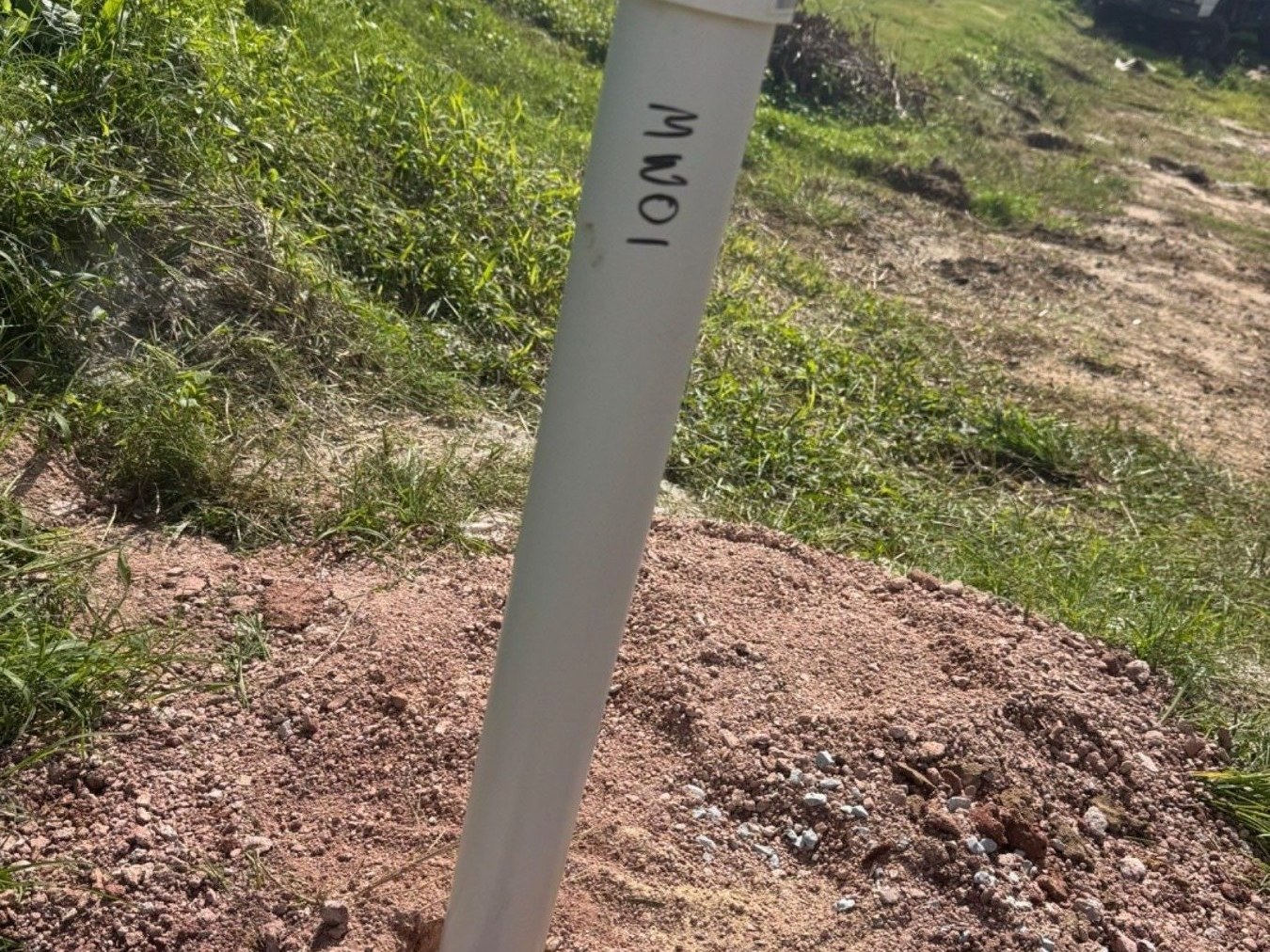
Project status at July 2026: Initial investigation has been completed. Additional delineation, targeted remediation, validation and auditor certification remain in progress. (The neighbouring former service station parcel has already been removed from the EMR.)
Project overview
iEnvi was engaged on a residential property in Manly, Queensland, listed on the Environmental Management Register (EMR) in circumstances where the historical petroleum sources were associated with adjoining land. The neighbouring former service station parcel had already been investigated, remediated and removed from the EMR following a certified Contaminated Land Investigation Document (CLID).
The owner’s question was practical: if the tanks and fuel systems were next door, can the residential lot be removed from the EMR without a full investigation and audit? The answer, after engagement with DETSI’s Contaminated Land Assessment team, was that the enquiry pathway was not available for this history, and an auditor-certified CLID pathway was required.
Two Queensland pathways owners often confuse
Queensland now draws a clear distinction between:
- Enquiry for land not subjected to contamination or a notifiable activity (form ESR/2025/7077): available only where the landowner (or legal representative) can demonstrate the land was never subjected to contamination or a Schedule 3 notifiable activity and was listed in error.
- CLID + auditor certification for EMR/CLR removal: required where notifiable activities or contamination history exist, or where DETSI is not satisfied that the listing was an administrative error.
On this residential site, historical records, previous owner correspondence and the department’s review meant the short-form enquiry could not be approved. Removal still needs investigation evidence and an approved auditor’s certification.
What the investigation found
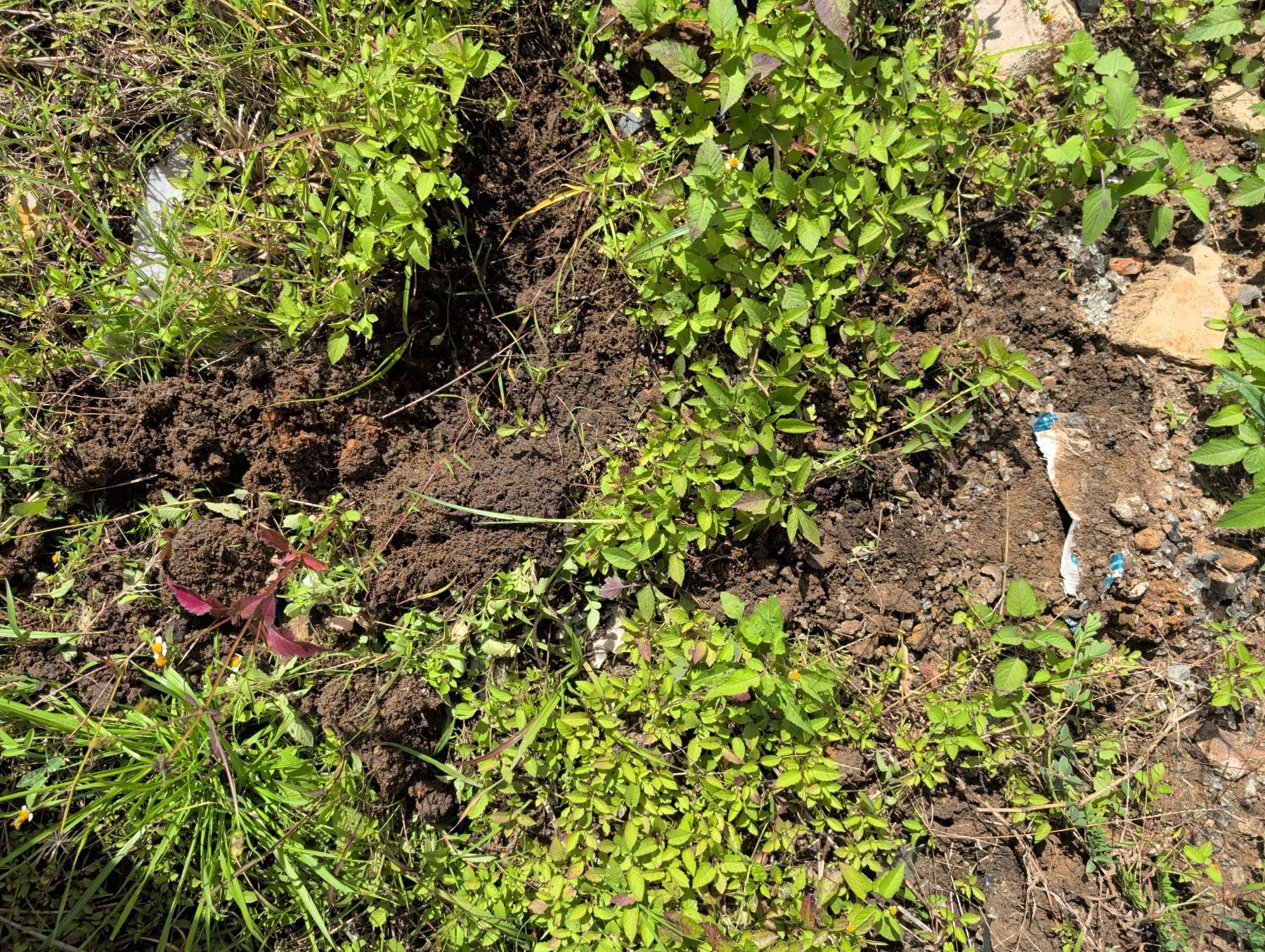
iEnvi completed a Preliminary and Detailed Site Investigation programme. Overall the residential lot was in reasonable condition, with a small number of matters to close for auditor acceptance:
- Localised petroleum hydrocarbon detections in deep soil and trace groundwater results near the boundary adjoining the former hoist, waste oil and fuel tank areas next door
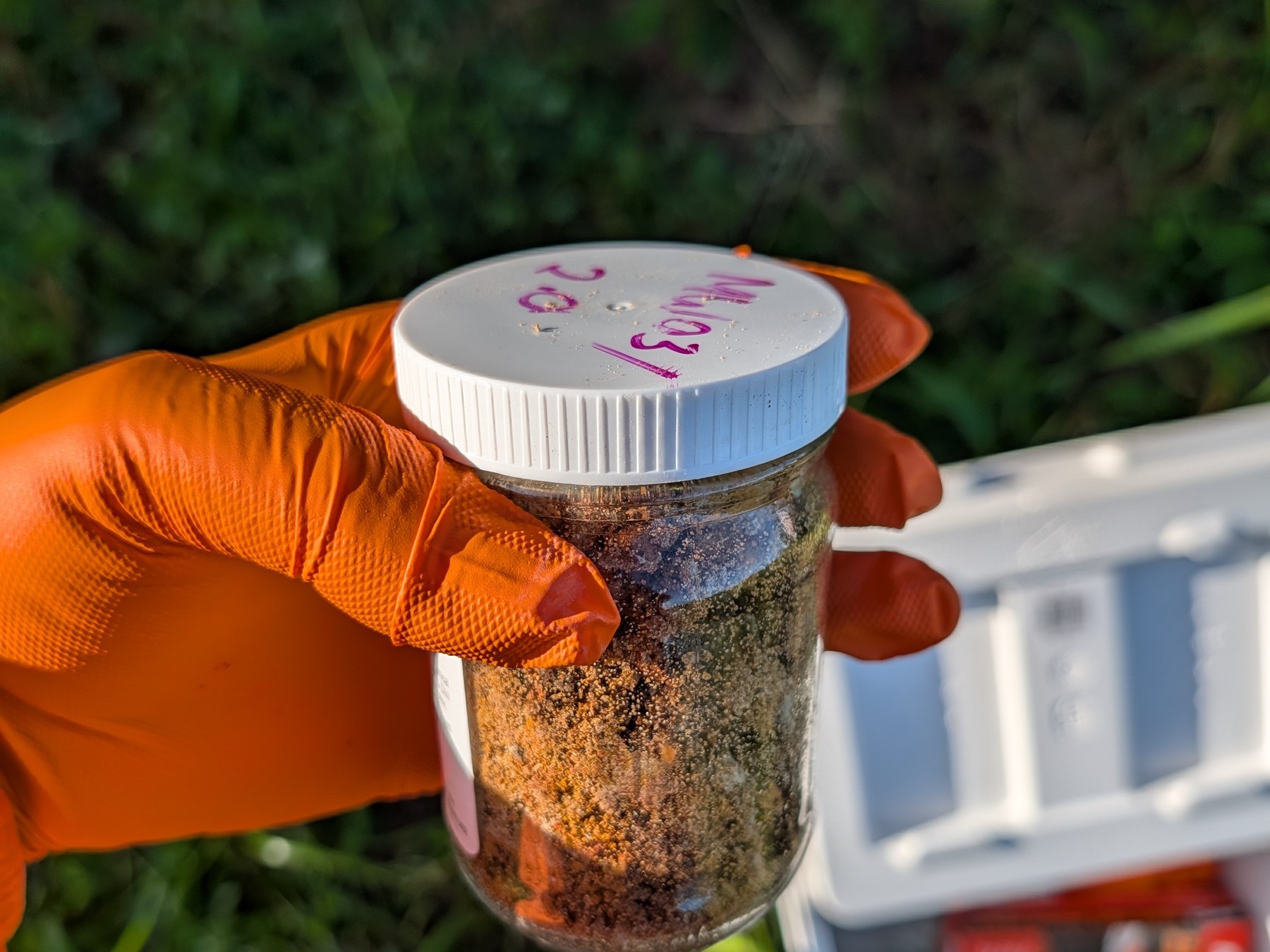
- Clean soil vapour results across the residential parcel, which supported closure of the vapour intrusion pathway for sensitive use
- Scattered surface asbestos cement fragments along one boundary requiring licensed removal and clearance
- A small shallow metals exceedance area requiring limited excavation and validation
- Low level metals and PFAS detections in groundwater are being assessed through consideration of source attribution, background conditions, exposure pathways, neighbouring investigation results and site specific risk, subject to the auditor’s final review and acceptance
How iEnvi is closing the EMR pathway
The remaining stage is the same sequence used successfully on the neighbouring Manly service station site:
- Follow-up delineation drilling and a second groundwater monitoring round to lock down auditor data requirements
- Preparation of a Remediation Action Plan and, where contaminated soil must leave the listed land, an application for a DETSI disposal permit. A separate waste levy exemption application would only be made where the soil and proposed disposal pathway satisfy the applicable eligibility criteria
- Targeted remediation of the two small surface areas and validation sampling
- Validation Contaminated Land Investigation Document for auditor certification
- Lodgement with DETSI for removal of the lot from the EMR
Continuity with an auditor already familiar with the adjoining investigation may assist with understanding the local context. However, the residential parcel must still be supported by its own site specific evidence, and the auditor must independently assess the CLID against the statutory requirements.
Practical takeaways
- Reallotment does not automatically clean the register. EMR particulars often follow historical notifiable activities across title changes. Neighbour success helps context, but each lot still needs its own evidence.
- Do not assume the enquiry form will work. If DETSI has records of notifiable activity or prior owner engagement, expect the CLID and auditor route.
- Small remediation can still unlock large value. Many residential EMR sites only need targeted surface works and validation, not a full redevelopment-scale dig.
- Residential development does not always require EMR removal — but the investigation effort is often similar, and clearing the register can significantly lift saleability, so it is often worth combining both.
- Engage the auditor separately — early or later depending on complexity. The approved auditor is contracted by the landowner for independence. Early engagement can reduce the risk of investigation work later being considered insufficient; on simpler sites, engaging once the validation package is largely complete is a common way to manage cost, provided the SAQP anticipated Module 6.
- Programme soil disposal carefully. Allow sufficient time for soil classification, disposal facility acceptance, permit preparation and departmental assessment. DETSI currently states that a properly submitted disposal permit application is decided within 10 business days, although the complete soil disposal programme may take several weeks.
Related reading and services
See also: neighbouring Manly former service station EMR removal and the Queensland EMR removal guide.
- Contaminated land and EMR investigation
- Asbestos in soil assessment and clearance
- Remediation and validation
- Contamination risk assessment
Regulatory references
- List, amend and remove land on the land registers
- Land that has not been subjected to contamination nor a notifiable activity
- Queensland auditor handbook for contaminated land
Listed on the EMR and unsure which pathway applies? Call 1300 043 684 or contact iEnvi. We can review your EMR search, title history and previous reports before you commit to investigation or auditor fees.
Related services for this project. iEnvi links delivered project work back to the service pathways clients use for similar sites — investigation, remediation, ecology and environmental management.
DSI services Contaminated land advice Remediation services Groundwater services Talk to iEnvi