

Project: In‑situ Waste Classification (WC) and Excavated Natural Material (ENM) Assessment for a council road segment in the Southern Highlands, NSW.
Project summary
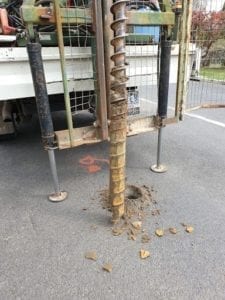
iEnvi was engaged to characterise soil beneath a road segment scheduled for redevelopment and disposal. A targeted inspection and soil sampling program was completed at 30 m intervals along the corridor consistent with NSW waste classification guidance and the NSW ENM Order 2014.
Sampling and results
- Number of sample locations: 20 (30 m spacing)
- Classification outcomes: 17 locations met ENM criteria; 2 locations classified as restricted solid waste; 1 location classified as hazardous waste.
Findings and practical implications
The predominance of ENM (17/20 samples) created a clear opportunity to reuse most material under the NSW Resource Recovery Framework as engineering fill or in earthworks, reducing the volume sent to landfill and lowering disposal costs. By conducting the waste classification in situ before excavation, the client could:
- Manage material immediately to appropriate reuse or disposal streams;
- Avoid delays and extra handling that can occur when material is excavated, stockpiled, then sampled;
- Reduce contractor rework, transport and interim storage costs; and
- Provide traceable documentation to receiving facilities or to approvals processes.
Why in‑situ classification can reduce project risk
- Time: Early classification allows rapid decision‑making on whether material can remain on site or requires controlled removal.
- Cost: Reuse as ENM reduces waste disposal bills and can supply engineered fill for construction use.
- Compliance: Gives confidence that handling follows NSW EPA expectations under the ENM Order and Waste Classification guidance.
- Logistics: Minimises stockpiling and double‑handling, reducing health & safety and contamination cross‑risk.
How iEnvi approaches WC and ENM assessments
- Review site history and project scope to target sampling where risk is greatest.
- Design a defensible sampling pattern (e.g. 30 m spacing along corridors) and collect samples consistent with NSW guidance.
- Interpret laboratory results against the ENM Order and NSW waste classification criteria to assign reuse or disposal pathways.
- Provide practical recommendations on segregation, handling, documentation and validation to support reuse or orderly disposal.
Practical takeaways for developers and councils
- Plan waste classification early — sampling after excavation often increases cost and programme risk.
- In‑situ ENM assessment can deliver faster reuse decisions for earthworks or engineering fill.
- Even with high proportions of ENM, prepare for pockets of restricted or hazardous material and budget for targeted disposal.
- Keep clear traceability and documentation to support receiving facilities and regulators.
Need help? For confidential advice about whether excavated soil from your roadworks, subdivision or utilities project can be reused under the NSW ENM Order, contact iEnvi on 13000 43684 or via our contact page. We provide pragmatic, compliance‑focused assessments that align sampling, reporting and logistics with your project timetable.
Related services for this project. iEnvi links delivered project work back to the service pathways clients use for similar sites — investigation, remediation, ecology and environmental management.
Contaminated land advice Remediation services Discuss your site Talk to iEnvi