Residential EMR Listing and CLID, Manly QLD

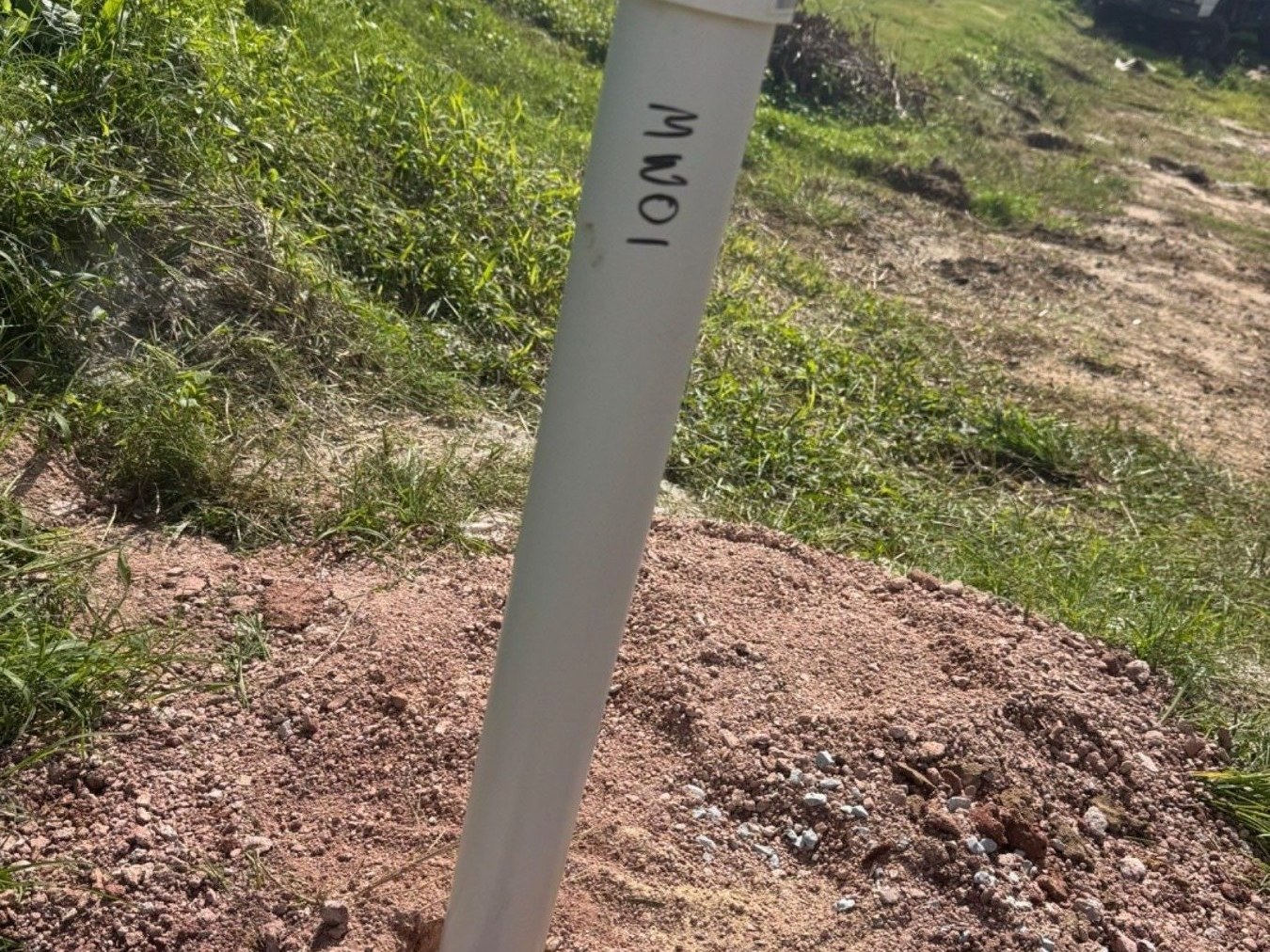
Groundwater monitoring well MW01 installed on a residential EMR-listed property in Manly Queensland

Project status at July 2026: Initial investigation has been completed. Additional delineation, targeted remediation, validation and auditor certification remain in progress. (The neighbouring former service station parcel has already been removed from the EMR.) Project overview iEnvi was engaged on a residential property in Manly, Queensland, listed on the Environmental Management Register (EMR) in circumstances … Read more

Former Service Station EMR Removal, Manly QLD

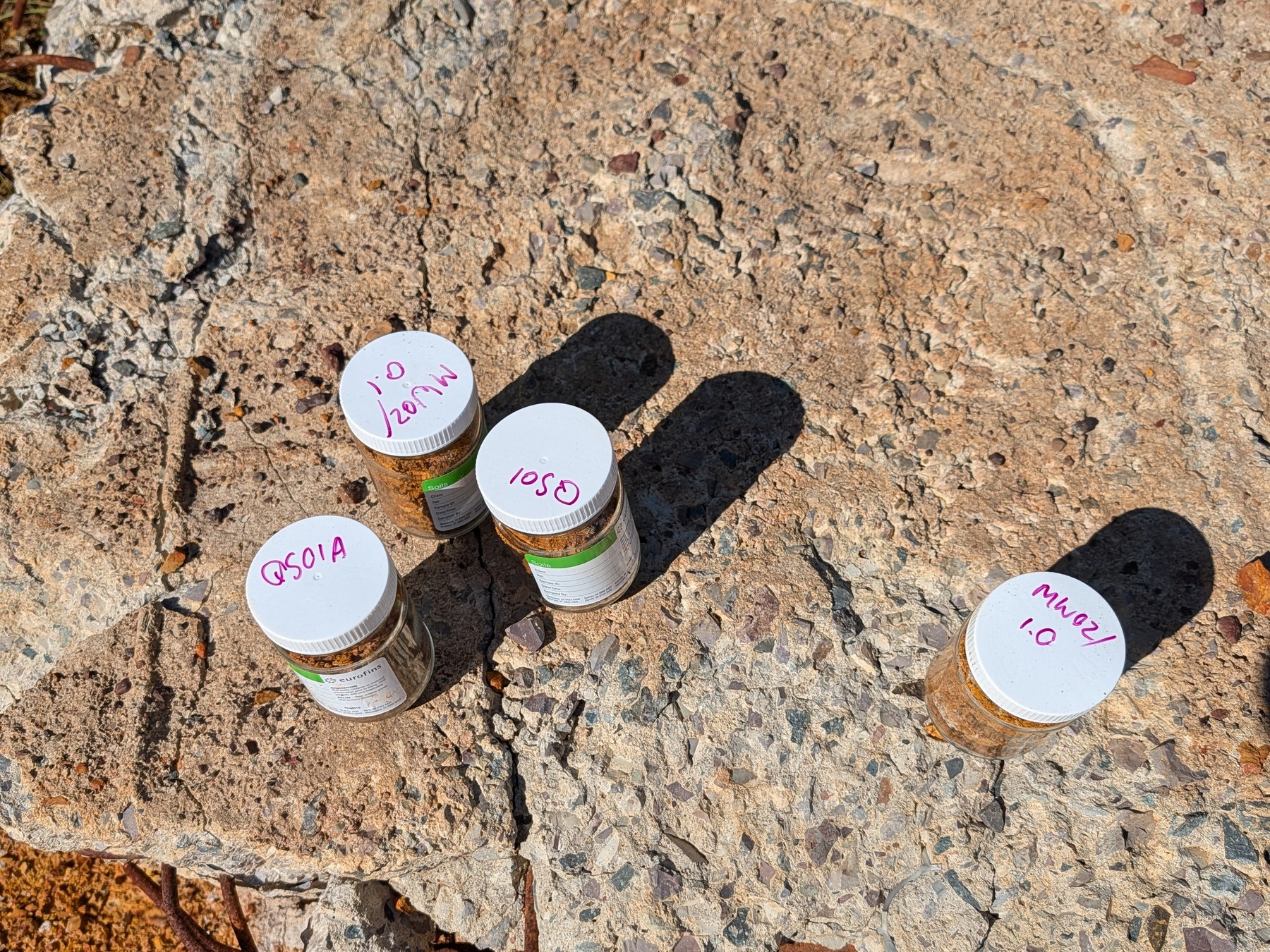
Labeled soil sample jars on concrete during validation sampling for EMR removal at a former petroleum site in Queensland

Project outcome: The former commercial service station was investigated, remediated and validated. An approved auditor certified the Contaminated Land Investigation Document (CLID), and the Department of the Environment, Tourism, Science and Innovation (DETSI) formally removed the land from the Environmental Management Register (EMR) in April 2026. Project overview iEnvi completed investigation, remediation, validation and Contaminated … Read more

Asbestos Source Assessment and Clearance for a Development Site, Catherine Field

iEnvi provided an independent asbestos source assessment and post‑removal clearance at a greenfield development in Catherine Field. The assessment determined the fragment originated from a historic stockpile, verification testing returned no asbestos detected, and the site was cleared to progress with development.

Metropolitan Bus Depots – Environmental Compliance and Investigations

Practical environmental investigations and compliance audits across four Melbourne bus depots established a defensible baseline, identified localised hydrocarbon impacts near refuelling areas, confirmed no landfill‑gas risk from adjacent closed tips, and delivered reporting and management measures to meet Victorian regulatory expectations.

From an EPA Clean-Up Notice to a Clear Path Forward

How a targeted investigation, waste classification testing and a pragmatic remediation strategy closed data gaps for asbestos‑contaminated imported fill in north‑west Sydney — turning a NSW EPA Clean‑Up Notice into a compliant, cost‑efficient remediation pathway.

From Quarterly to Biannual: Groundwater Monitoring that Keeps Risk Low

Practical groundwater monitoring that confirms monitored natural attenuation, meets regulator expectations, and supports a safe transition from quarterly to biannual sampling with clear triggers and contingency planning.

Confident Acquisition Backed by Targeted Environmental Checks

Targeted, NEPM‑aligned due diligence (PSI + simple tenant lines of enquiry) to give fast, proportionate assurance for acquisition and staged redevelopment of an industrial site in South Australia — reserving intrusive investigation for clearly observed triggers.

Building Confidently on a Closed Landfill: Gas Risk Assessment and a practical CEMP

How a lean, risk‑focused contaminated‑land approach gave a community sports club a construction‑ready landfill gas assessment and a practical Construction Environmental Management Plan (CEMP) so the clubhouse could be built safely, on time and on budget.

Baseline Environmental Condition Investigation – Western Melbourne Bus Depot

iEnvi completed a Baseline Environmental Condition Investigation (BECI) at an established western Melbourne bus depot to meet Department of Transport & Planning requirements. Targeted soil and groundwater testing (10 soil bores and monitoring wells) found no significant contamination; a Fuel System Operating Plan (FSOP) was recommended and reporting provided regulator‑defensible documentation under Victoria’s Environment Protection Act 2017.

Waste Classification and ENM Assessment, Southern Highlands NSW

iEnvi completed an in‑situ waste classification and Excavated Natural Material (ENM) assessment for a Southern Highlands council road upgrade. Of 20 samples collected at 30 m intervals, 17 met ENM criteria, two were restricted solid waste and one was hazardous — enabling reuse of most material and avoiding excavation‑stage delays.