NVIDIA Shifts Focus to Agentic AI Infrastructure at GTC 2026

NVIDIA is shifting its market strategy from simple GPU supply to the provision of a total infrastructure stack for autonomous AI agents.

 Michael Nicholls
NVIDIA is shifting its market strategy from simple GPU supply to the provision of a total infrastructure stack for autonomous AI agents.
A 12 billion dollar infrastructure commitment is changing how businesses access AI compute. Nebius Group has secured a five-year agreement with Meta to provide dedicated AI compute capacity.
Industrial AI has often struggled to move beyond the dashboard and onto the factory floor. A new partnership between AWS and Innovapptive aims to fix this by integrating autonomous AI agents directly into frontline manufacturing operations.

Autonomous AI agents are moving from experimental prototypes to enterprise tools, and the primary hurdle of security is being addressed. NVIDIA has launched its Agent Toolkit, providing a standardised framework for the secure deployment of agentic systems.

Simulations that once required weeks of supercomputing time are now completed in seconds. Researchers at the University of New Mexico and Los Alamos National Laboratory have developed a framework called THOR. It changes how we approach complex materials science and atomic interactions.

Robotic manipulation has reached a stage that avoids the need for costly manual training. The Allen Institute for AI has released MolmoBot. This model is trained entirely in simulation and achieves zero-shot transfer to the real world.

Moving AI from experimental environments to operational industrial sites faces a significant challenge regarding safety governance. The industry has long struggled with the unpredictability of autonomous agents in physical spaces.
Artificial intelligence has moved beyond static code generation into the creation of autonomous cyber threats. A research paper released this week defines the emergence of Highly Autonomous Cyber-Capable Agents, or HACCAs.
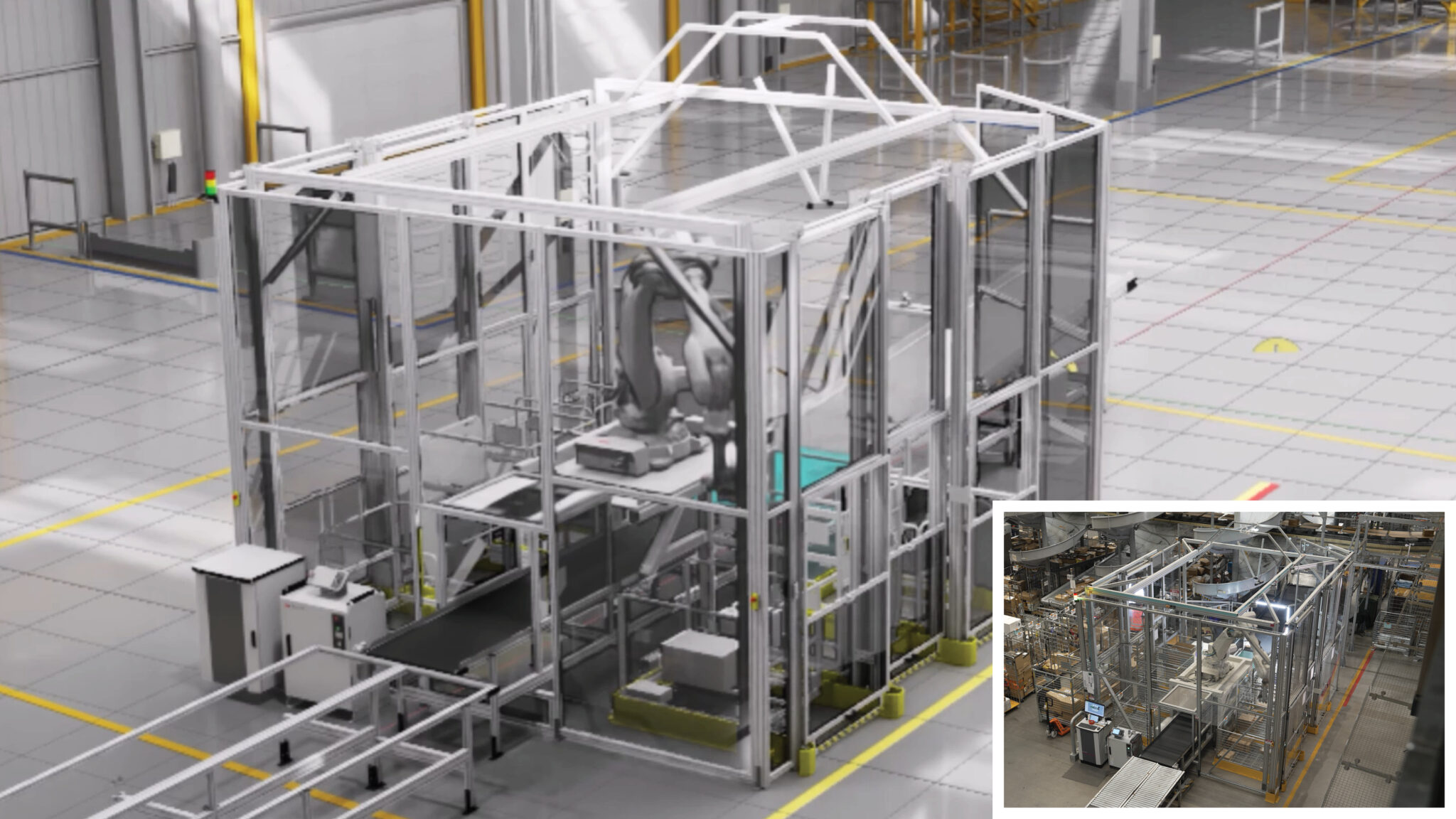
Physical automation is moving beyond basic repetitive tasks as the gap between virtual simulation and real-world performance narrows. ABB Robotics and NVIDIA have unveiled RobotStudio HyperReality, a platform that allows industrial robots to be trained in a high-fidelity virtual environment.

Regulatory stability has returned to the global AI chip market. The U.S. Office of Management and Budget has withdrawn its proposed draft rule that would have mandated a case-by-case licensing regime for all advanced AI accelerator exports.