

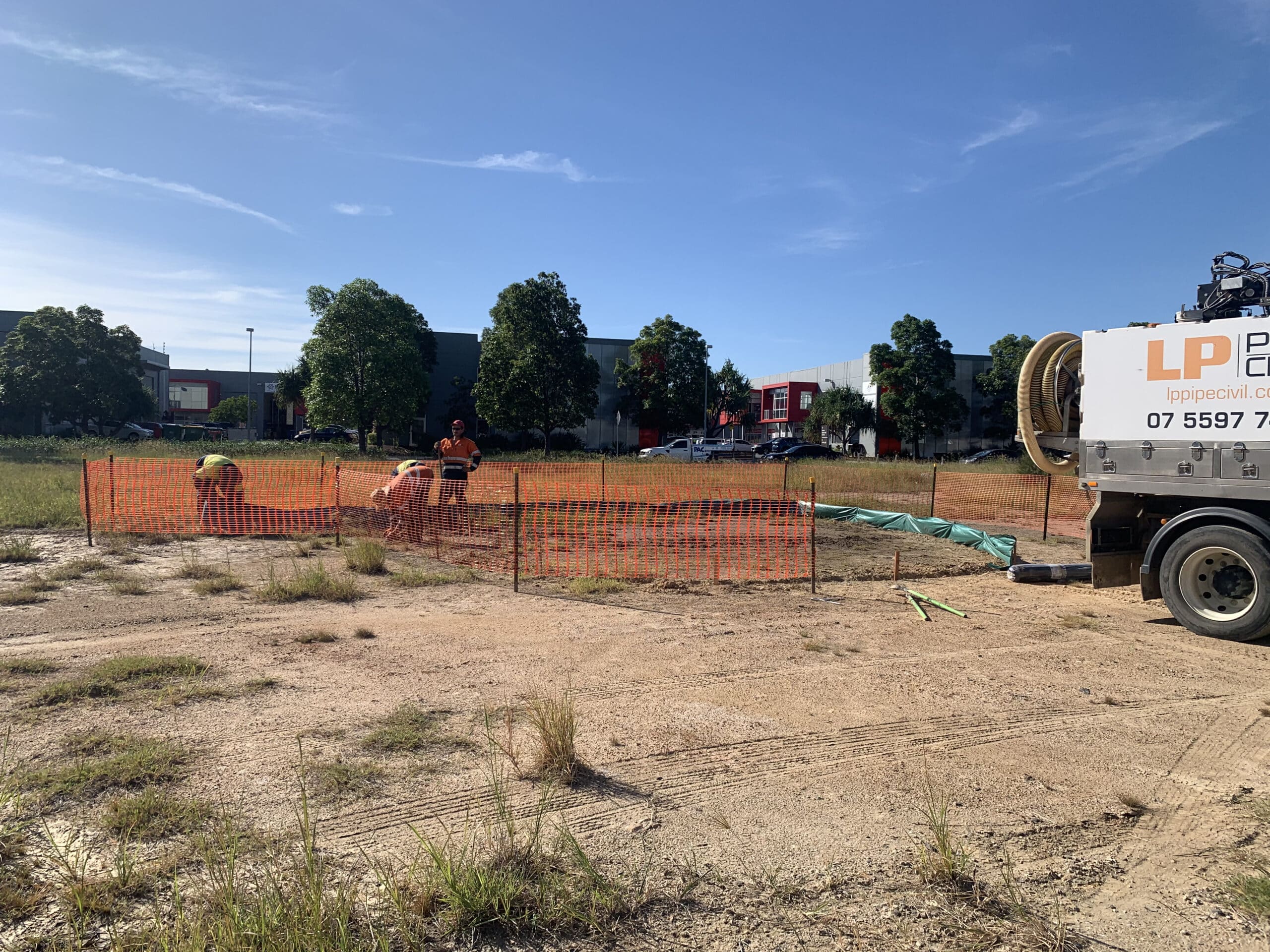
Project: NBN trenching and pit works — Brisbane Airport (Commonwealth land)
The problem
A Tier 1 contractor was engaged to upgrade telecommunications infrastructure (NBN) across Brisbane Airport precincts, including both secure airside and public landside areas under Commonwealth control. The site presented regulated contamination risks including asbestos and PFAS in soil, groundwater and potentially absorbed into concrete infrastructure. Regulatory and site security constraints required excavations to be backfilled or covered immediately — open pits and stockpiles were not acceptable for public safety or operational reasons. If concrete infrastructure had required hazardous waste classification because of PFAS, disposal costs and logistics would have escalated significantly.
What iEnvi did
iEnvi acted as the technical interface between the Tier 1 contractor and Brisbane Airport Corporation (BAC). Our role included direct liaison for BAC review and sign‑off of environmental management plans, and delivery of a Sampling, Analysis and Quality Plan (SAQP) tied to the contractor’s construction windows.
- Implemented an in‑situ waste classification strategy aligned to immediate backfill and no‑stockpile requirements.
- Collected concrete core samples from pit locations and conducted a preliminary swabbing program to check for PFAS ingress into concrete.
- Characterised soil and groundwater ahead of excavation to enable on‑the‑spot classification and handling (including dewatering where required).
- Coordinated rapid sampling windows with site crews to avoid delays to critical airport operations.
Outcome and benefits
Laboratory analysis of concrete cores and swabs returned results consistent with no PFAS ingress into the tested infrastructure. This allowed the concrete to be managed and disposed of as general solid waste rather than hazardous waste, producing immediate cost savings and simpler logistics for removal. Separate in‑situ classification of soil and groundwater enabled the contractor to load, transport and dispose of non‑defined‑dangerous‑goods (NDD) waste and to dewater pits during excavation without stockpiling — eliminating open‑pit risk and reducing program delay.
By managing the regulatory interface with BAC and delivering fast, construction‑aligned fieldwork, iEnvi enabled the upgrades to proceed safely and in full Commonwealth compliance.
Practical takeaways for developers and contractors
- Early technical engagement and a construction‑aligned SAQP can avoid program delays when working on high‑security or public sites.
- Targeted testing (e.g., concrete cores and swabs for PFAS) can materially change waste classification outcomes and reduce disposal cost and complexity.
- In‑situ waste classification and rapid reporting allow immediate backfill and removal of excavated material, avoiding the need for stockpiles and open pits on busy sites.
- Direct liaison with land managers/regulators (BAC in this case) is essential to secure approvals and confirm disposal routes before works commence.
Compliance note
This work was carried out under Commonwealth site controls and subject to federal and state waste and contaminated land requirements. Project teams should confirm applicable PFAS guidance, laboratory reporting limits and disposal acceptance with the responsible land manager prior to works.
Need a practical, compliance‑focused approach to contaminated land on your project? Call our team on 13000 43684 or contact us to discuss a construction‑aligned sampling and management plan.

Related services for this project. iEnvi links delivered project work back to the service pathways clients use for similar sites — investigation, remediation, ecology and environmental management.
Environmental management plans Contaminated land advice Groundwater services Asbestos in soil advice Talk to iEnvi