Low-Flow Groundwater Sampling: A Step-by-Step Guide for Environmental Professionals

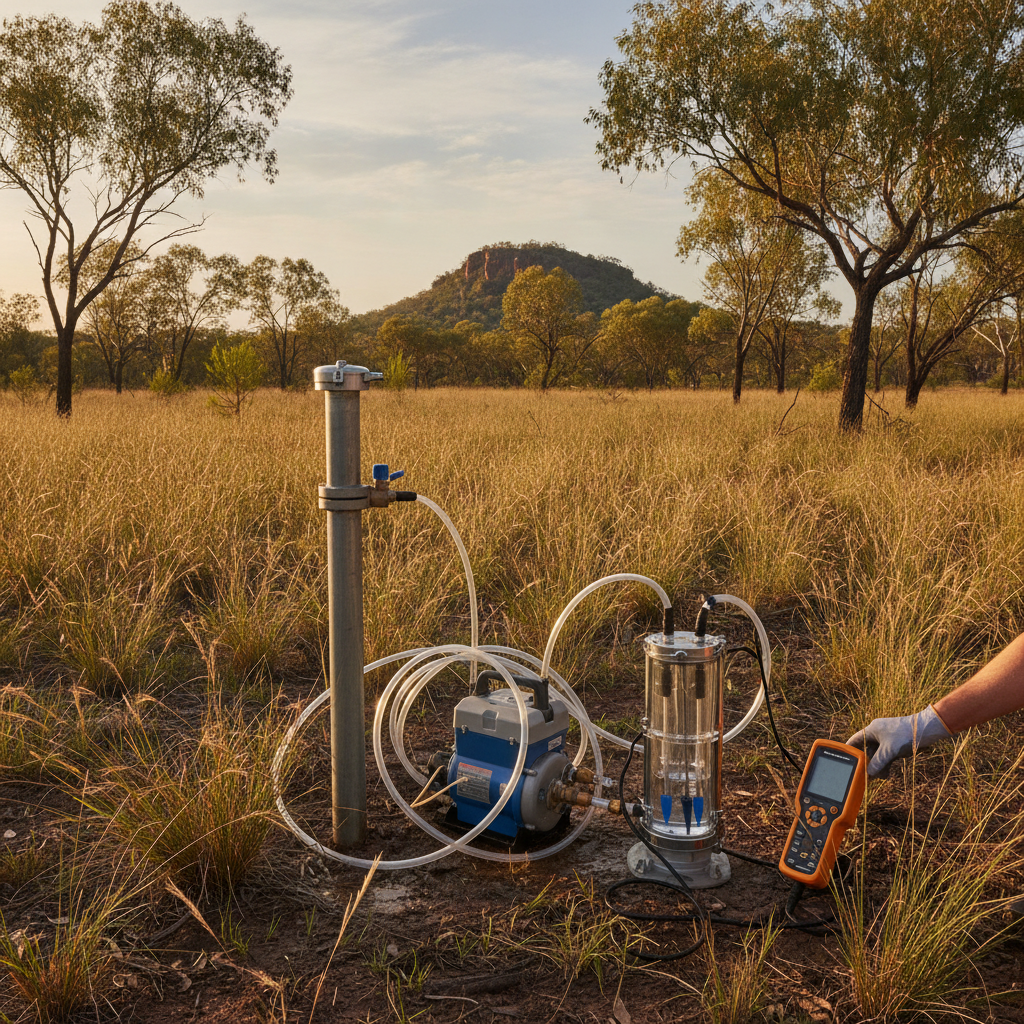
What is low-flow groundwater sampling and why is it used on contaminated sites in Australia? Low-flow groundwater sampling purges monitoring wells at rates below 0.5 L/min to minimise drawdown and turbidity, producing dissolved-phase contaminant concentrations that accurately represent aquifer conditions. It is recommended as best practice by EPA Victoria (Publication 669.1), SA EPA, and NSW … Read more

Conceptual Site Models in Contaminated Land Assessment: A Practical Guide for Australian Sites

Conceptual Site Models in Contaminated Land Assessment: A Practical Guide for Australian Sites - iEnvi project image

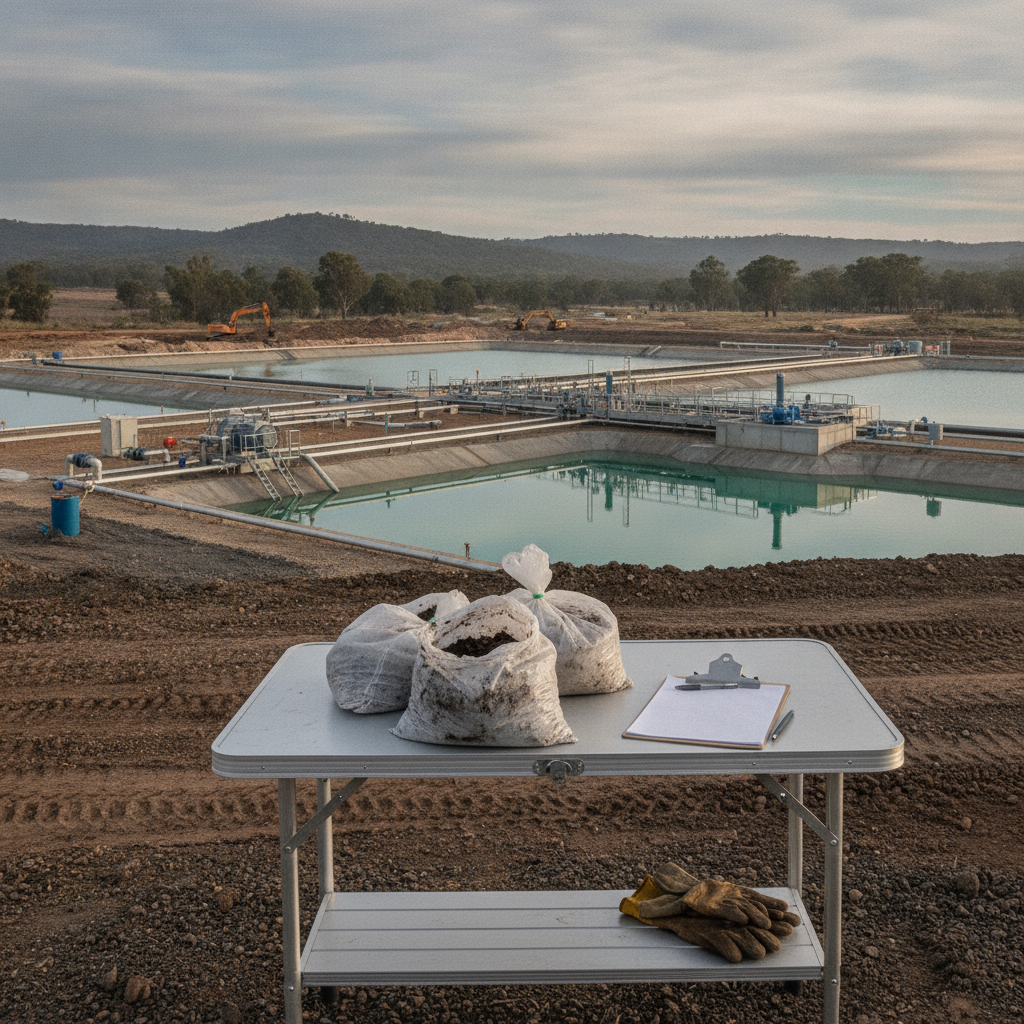
What is a Conceptual Site Model in contaminated land assessment? A Conceptual Site Model (CSM) is a written and graphical representation of an environmental system. It links contamination sources to exposure pathways and sensitive receptors. Australia’s National Environment Protection (Assessment of Site Contamination) Measure 1999 (amended 2013) requires a CSM at every stage of contaminated … Read more

The Petrol That Lingered: Delineation and Hydrogeological Assessment at a Former Western Melbourne Service Station

The Petrol That Lingered: Delineation and Hydrogeological Assessment at a Former Western Melbourne Service Station - iEnvi project image

What’s involved in a delineation and hydrogeological assessment at a contaminated service station? A delineation and hydrogeological assessment identifies the full extent of soil and groundwater contamination. It also characterises how groundwater moves beneath a site. At a former service station, with decades of fuel history and a known LNAPL plume, this investigation used monitoring … Read more

PFAS in Property Transactions: What Buyers, Sellers and Solicitors Need to Know

Does PFAS contamination need to be disclosed when selling property in Australia? Yes. If a vendor knows about PFAS contamination affecting their property, failure to disclose it will likely breach general material fact obligations under the Australian Consumer Law and state sale of land legislation. While there is no single national PFAS-specific disclosure statute, PFAS … Read more

Asbestos Source Assessment and Clearance for a Development Site, Catherine Field

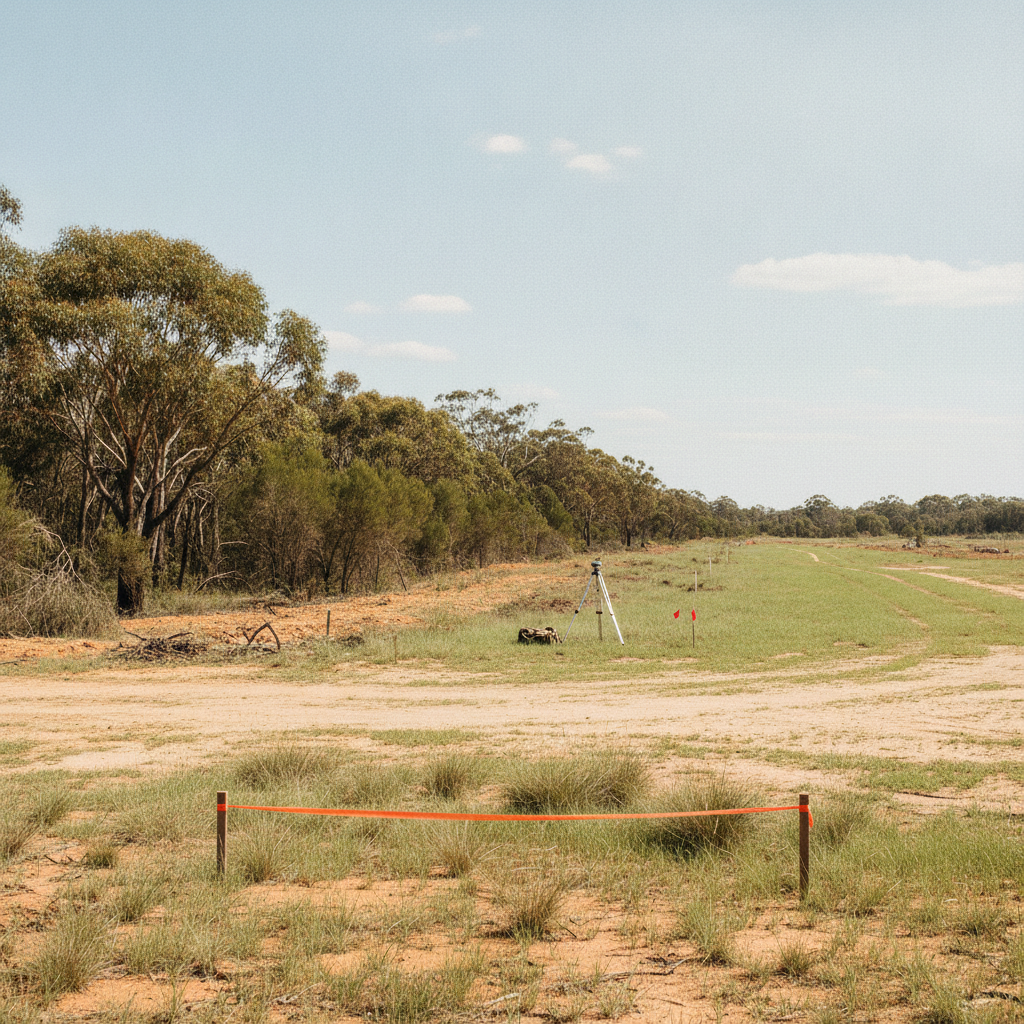
iEnvi provided an independent asbestos source assessment and post‑removal clearance at a greenfield development in Catherine Field. The assessment determined the fragment originated from a historic stockpile, verification testing returned no asbestos detected, and the site was cleared to progress with development.

Brisbane Airport QLD — NBN trench and pit works

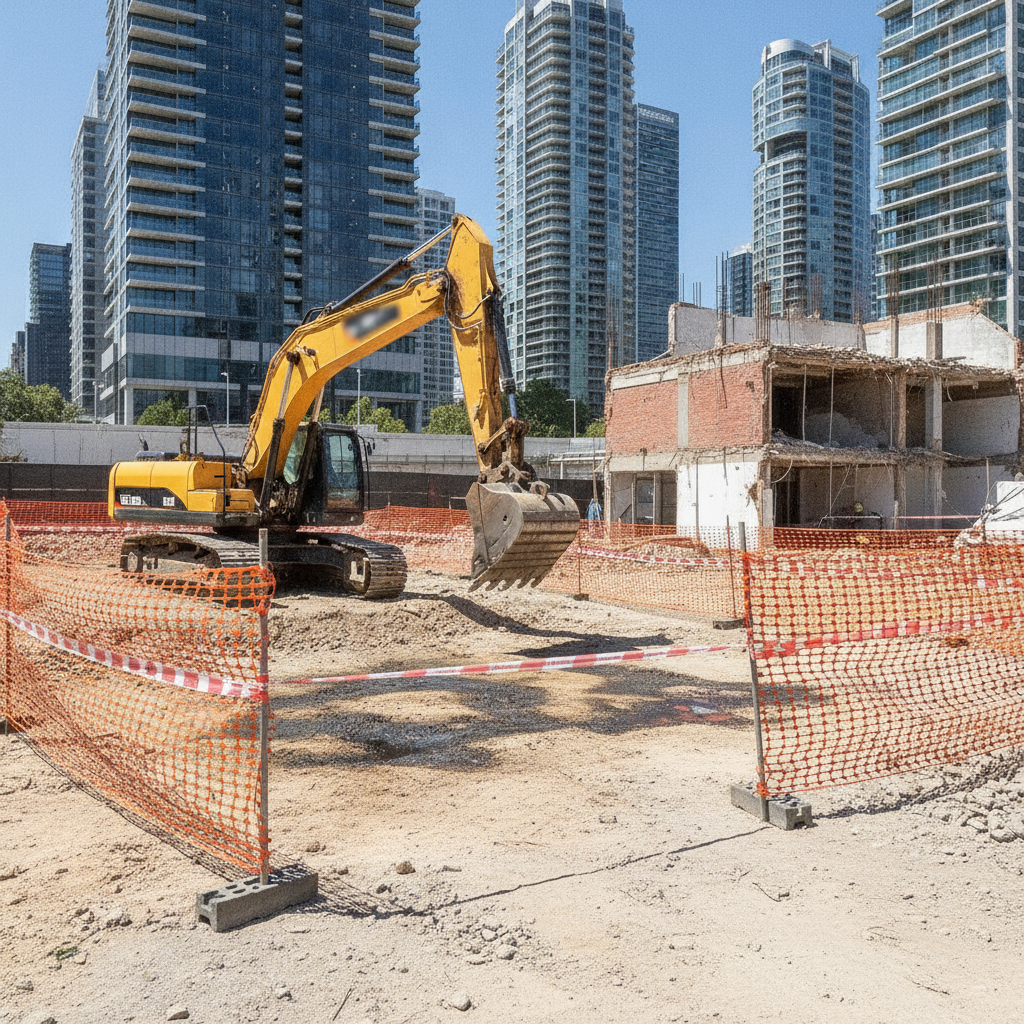
iEnvi supported a Tier 1 contractor to deliver NBN trenching and pit works across Brisbane Airport precincts, managing PFAS and asbestos risk, enabling in‑situ waste classification and immediate backfill to meet Commonwealth safety requirements and avoid costly hazardous disposals.

Proof in the Soil: PSI and Screening for a Former Sawmill

A concise, defensible Preliminary Site Investigation (PSI) and targeted soil screening at a former regional Queensland sawmill clarified contamination risk (timber-treatment residues, unknown fill, petroleum), updated the conceptual site model and set clear triggers for any further DSI or groundwater work — supporting sale, planning and due diligence.

Fresh Lease, Clean Start: Baseline Check at a Busy Brisbane Logistics Hub

iEnvi completed a targeted, construction‑friendly Baseline Contamination Investigation at a large southern Brisbane warehouse and logistics facility to provide a defensible contamination snapshot for lease handover. The program combined desktop records review, GPR service clearing, targeted drilling (8 locations to ~8 m), 16 primary soil samples plus QA/QC for TRH, BTEXN, PAHs, metals and asbestos, and a Baseline Contamination Report signed by a CEnvP Site Contamination specialist.

From Quarterly to Biannual: Groundwater Monitoring that Keeps Risk Low

Practical groundwater monitoring that confirms monitored natural attenuation, meets regulator expectations, and supports a safe transition from quarterly to biannual sampling with clear triggers and contingency planning.

Groundwater Hydrocarbon Sheen vs. Measurable LNAPL

Clear, practical guidance for site owners, developers and environmental managers on recognising a hydrocarbon sheen versus measurable LNAPL in groundwater, when a risk-based duty to notify regulators can be triggered in Australia, and how to manage next steps to reduce transaction, development and compliance risk.