
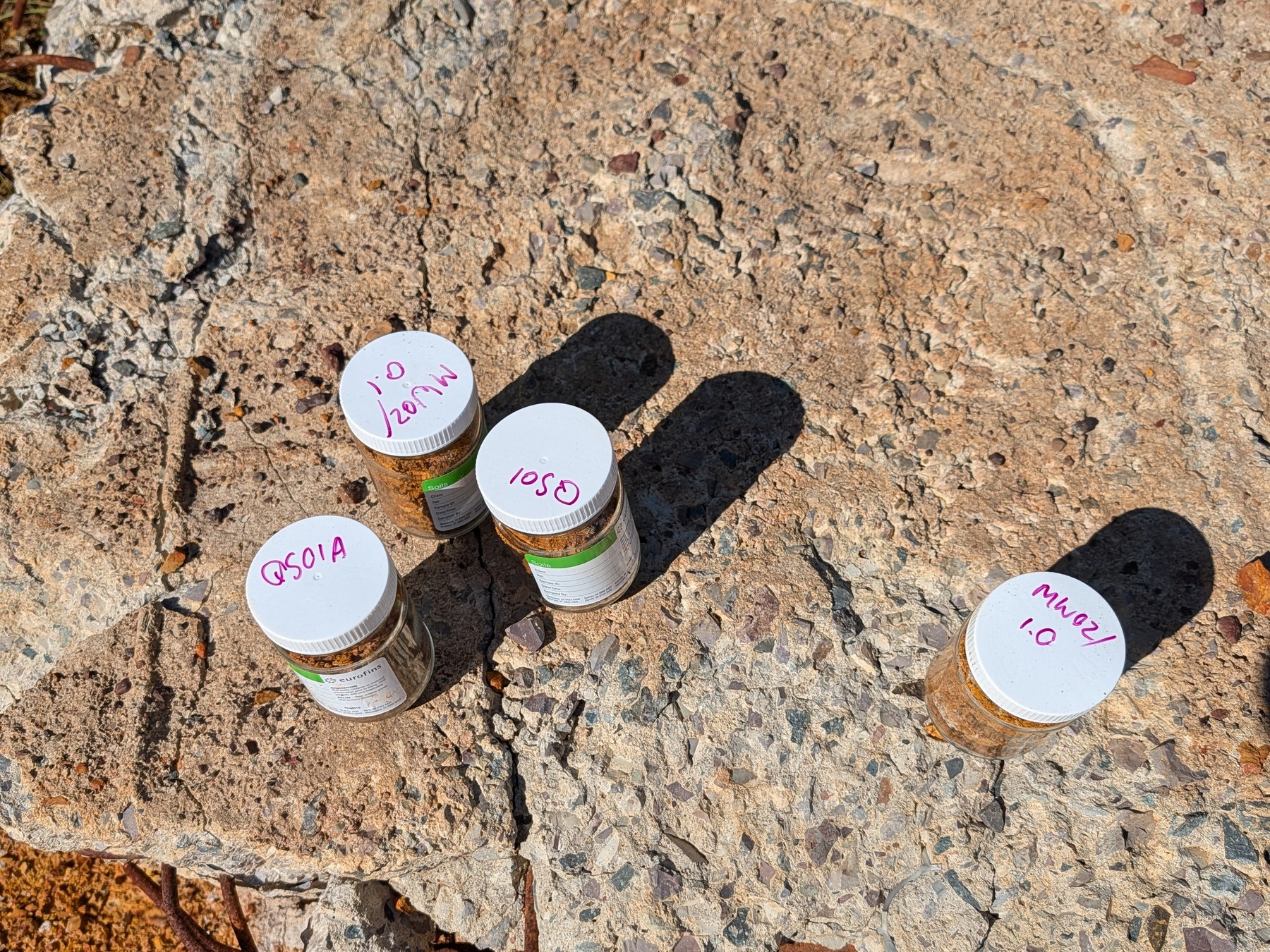
Project outcome: The former commercial service station was investigated, remediated and validated. An approved auditor certified the Contaminated Land Investigation Document (CLID), and the Department of the Environment, Tourism, Science and Innovation (DETSI) formally removed the land from the Environmental Management Register (EMR) in April 2026.
Project overview
iEnvi completed investigation, remediation, validation and Contaminated Land Investigation Document (CLID) work for a former commercial service station site in Manly, Queensland, listed on the Environmental Management Register (EMR) for notifiable activity 34 (service stations). Following auditor certification and submission to DETSI, the land was formally removed from the EMR in April 2026.
The outcome confirms the site is not contaminated land for the purposes of the Environmental Protection Act 1994 and is suitable for any use under the site suitability statement accompanying the certified CLID.
Why EMR removal mattered
- Transaction and redevelopment clarity: An EMR listing is disclosed through a public land register search and may affect property due diligence, lending, development assessment, insurance and purchaser perceptions of environmental risk. Removal closes that planning and due diligence trigger.
- Former UPSS / service station history: Sites with historical fuel storage need a defensible soil, groundwater and vapour evidence base before DETSI will remove particulars from the register.
- Auditor-certified pathway: For the statutory CLID pathway used on this project, the document was required to be prepared by a suitably qualified person and certified by an approved contaminated land auditor before being submitted to DETSI. (A narrower enquiry process may apply only where land was never subjected to contamination or a notifiable activity.)
What iEnvi delivered
Works were staged to meet Auditor and DETSI expectations without over-scoping:
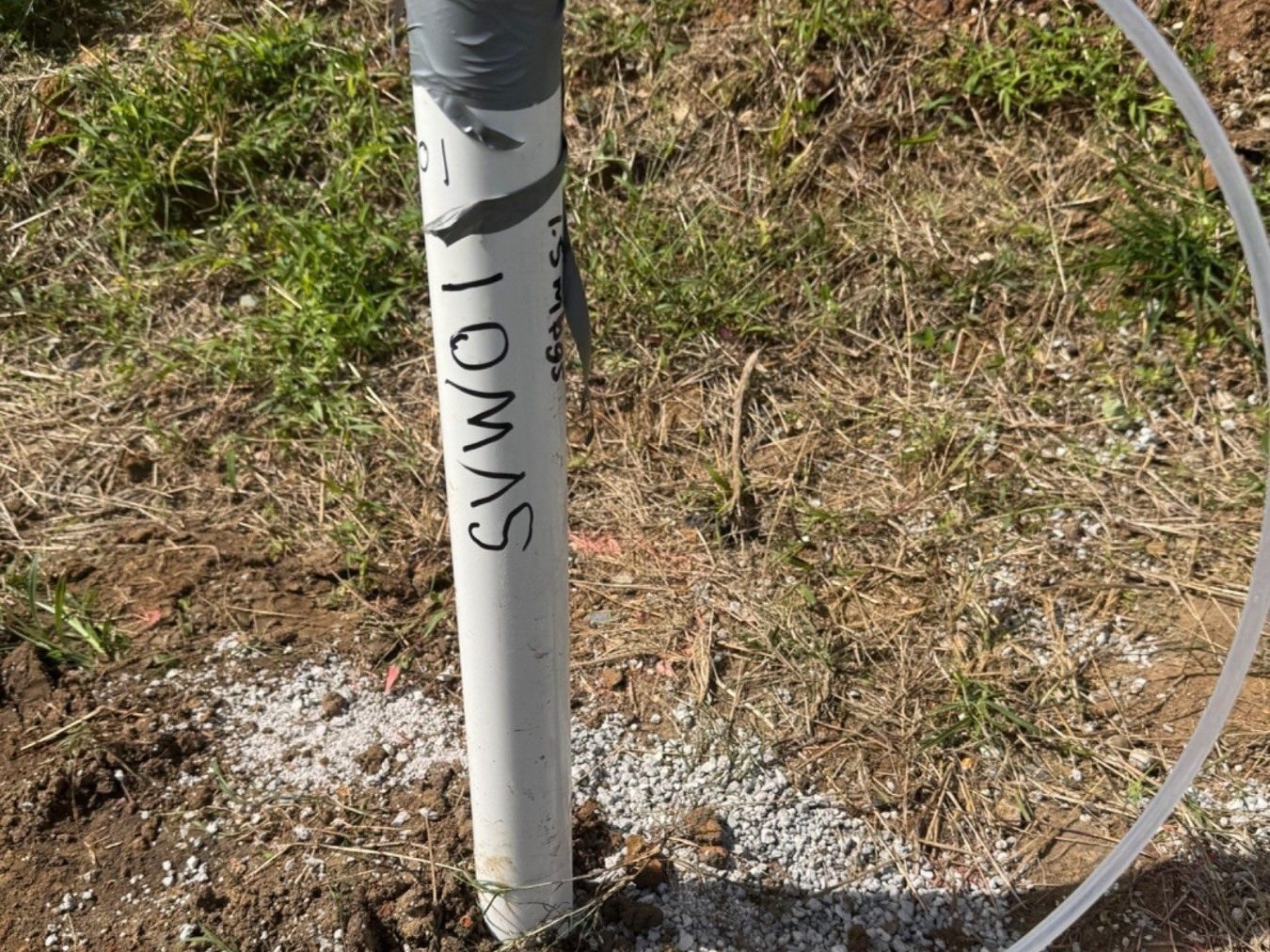
- Preliminary and detailed site investigation, including soil, groundwater and vapour lines of evidence
- Targeted remediation and validation where required
- Asbestos clearance where demolition or fill materials were relevant
- Preparation of the Contaminated Land Investigation Document to Auditor Handbook Module 6 content requirements
- Coordination with an approved contaminated land auditor through certification
- Submission of the certified CLID and approved form for EMR removal
DETSI issued a Notice of Removal of Land from the Environmental Management Register confirming the parcel had been investigated, that a CLID had been submitted and certified by an approved auditor, and that the land was suitable for any use.
Regulatory pathway (Queensland)
Under Part 8 of the EP Act, land is removed from the EMR or Contaminated Land Register (CLR) when a certified CLID demonstrates that no ongoing notifiable activity is being carried out and the land is not contaminated land and is suitable for any land use. On the CLID pathway, the document must be prepared by a suitably qualified person, certified by an approved auditor, and lodged with the department using the approved form (ESR/2023/6339).
iEnvi’s Contaminated Land Investigation Document for this site was authored and reviewed under CEnvP Site Contamination Specialist oversight, then progressed through auditor comment rounds to final submission.
Practical takeaways for owners and developers
- Engage the auditor separately — timing can be early or later: The approved contaminated land auditor is contracted by the landowner (not the SQP). Early engagement reduces redesign risk on complex sites. On more straightforward programmes, many owners engage the auditor once the validation dataset is largely complete, to control cost and timing — provided the investigation was designed with Module 6 expectations in mind.
- Evidence beats assumption: Former service station listings are not removed on desktop history alone. Soil, groundwater and vapour data must close the risk pathways.
- Neighbour lots can share history: Reallotment and shared UPSS infrastructure often leave residual listings on adjoining parcels. A successful EMR removal next door is useful context, but each lot still needs its own CLID and certification.
- Timeline: Investigation, remediation (if needed), auditor review and departmental processing typically run over months, not weeks. Build that into sale or DA programmes.
Related reading and services
For the broader Queensland pathway, see our guide: How Queensland EMR removal works.
- Contaminated land investigation
- Petroleum and UPSS services
- Remediation and validation
- CEnvP and suitably qualified person credentials
Regulatory references
Need advice on EMR removal or a CLID? Call 1300 043 684 or contact iEnvi for a confidential discussion.
Related services for this project. iEnvi links delivered project work back to the service pathways clients use for similar sites — investigation, remediation, ecology and environmental management.
DSI services UPSS investigation and validation CEnvP and SQP credentials Contaminated land services Talk to iEnvi