
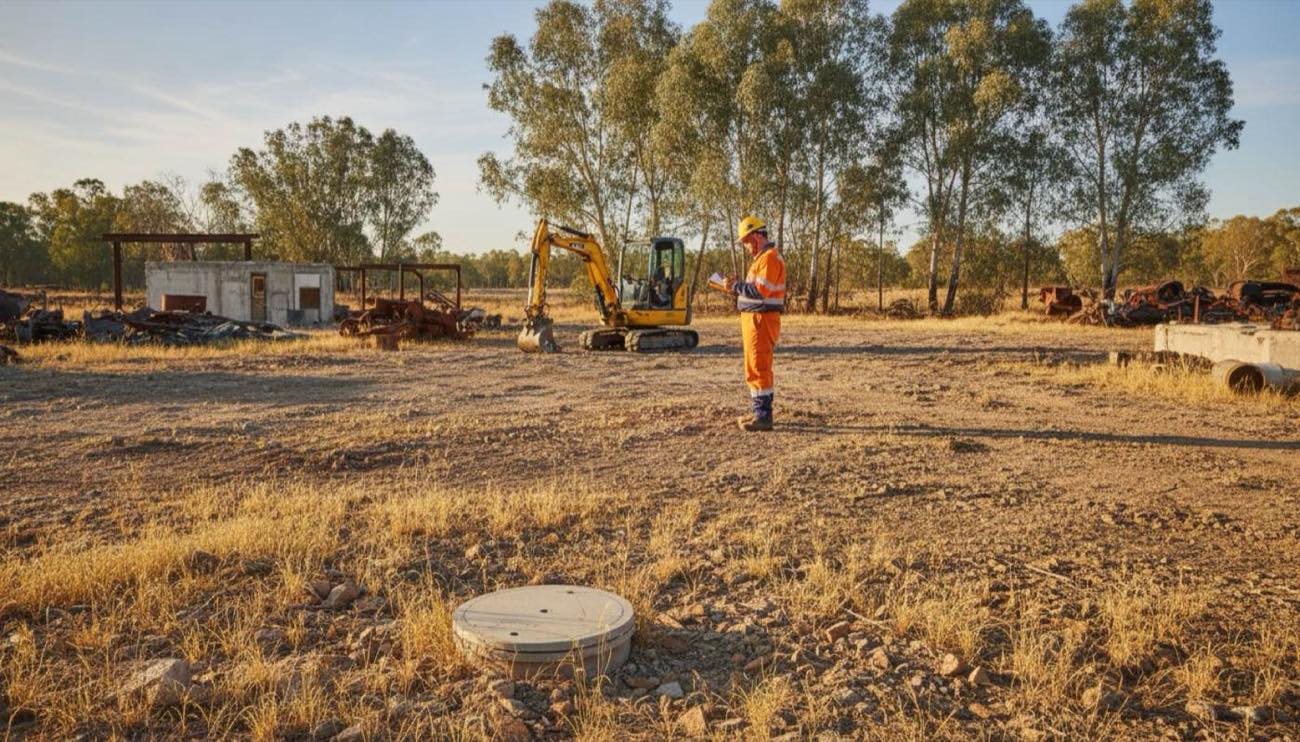
What should you do if you receive an EPA clean-up notice?
Read the notice closely, diarise every deadline and review or appeal period, and involve a contaminated land consultant and, where needed, a lawyer straight away. Each Australian state has its own notices and orders. NSW uses clean-up notices under the POEO Act and orders under the Contaminated Land Management Act 1997. Victoria uses improvement notices, environmental action notices and site management orders. Queensland now issues environmental enforcement orders. WA, SA, Tasmania, the ACT and the NT have their own versions. A prompt, well-planned response usually costs far less than a reactive one.
Few documents cause as much alarm as a formal notice from an environment regulator. It usually arrives with a short deadline, a list of required actions and a reminder that non-compliance is an offence carrying substantial penalties. Owners, developers, tenants, fuel retailers and councils all receive them, sometimes for contamination they did not cause. Most notices can be managed if you act quickly and get the technical work right. This guide covers the main notice types in each jurisdiction, review rights and how to respond.
Why regulators issue clean-up notices and orders
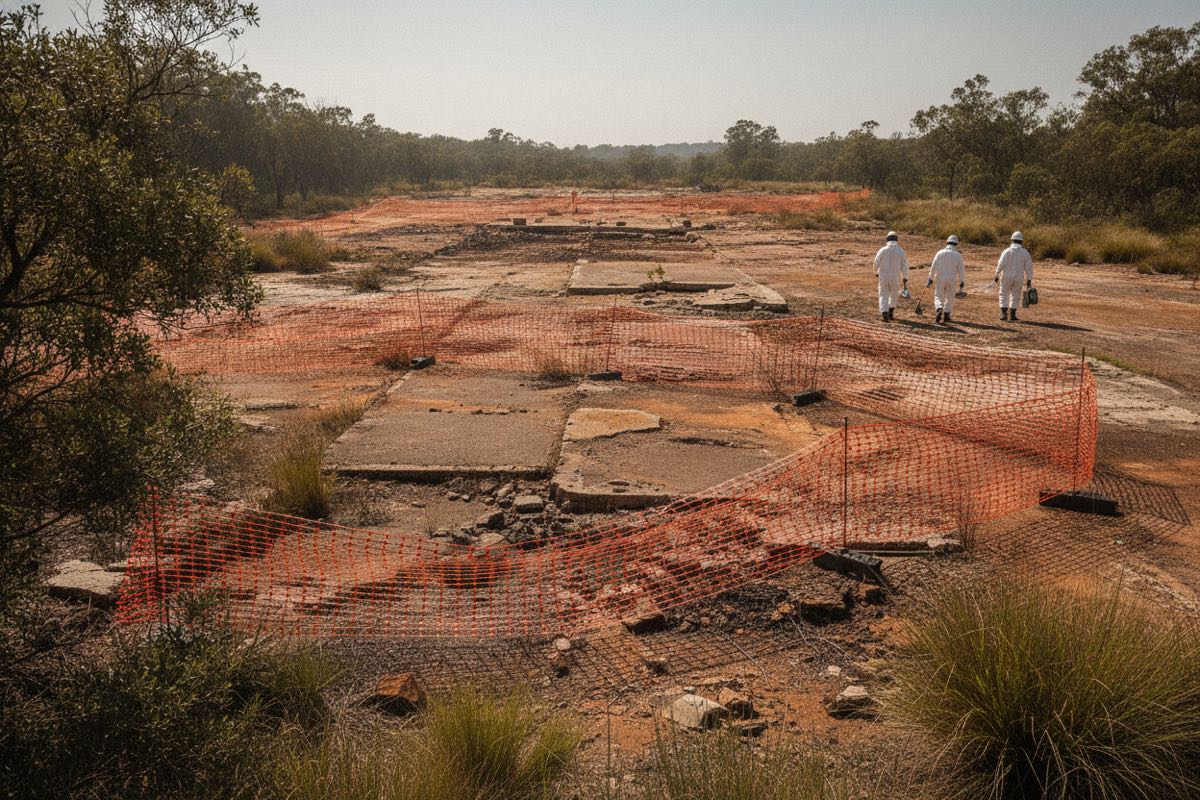
Regulators use notices when a risk to health or the environment is not being dealt with voluntarily. Common triggers include:
- a spill, leak or pollution incident, such as fuel from an underground petroleum storage system (UPSS) or chemicals from an industrial process;
- contamination reported to the regulator under a mandatory duty to notify, for example after a site investigation or groundwater monitoring;
- contamination moving off site into neighbouring land, stormwater or a waterway;
- emerging contaminants such as PFAS; and
- an earlier notice that has not been complied with.
Most regimes allow a notice to go to the polluter, and many also allow it to go to the owner or occupier, even if they did not cause the contamination. Buyers, landlords and lenders should know this before a problem arises.
New South Wales
Clean-up, prevention and compliance cost notices (POEO Act)
Under the Protection of the Environment Operations Act 1997, the appropriate regulatory authority (the EPA or the local council, depending on the activity) can issue a clean-up notice under section 91 when it reasonably suspects that a pollution incident has occurred or is occurring. The notice can go to the occupier of the premises, the owner, or the person reasonably suspected of causing the incident. A clean-up direction can be given orally, but it must be confirmed by a written clean-up notice within 72 hours (section 93).
Two points often surprise recipients. First, there is no statutory right of appeal against a clean-up notice, so a lawyer should advise early on whether any other legal avenue is open. Second, a recipient who did not cause the pollution can seek to recover their compliance costs through the courts.
Prevention notices under section 96 require an occupier to change how an activity is run so pollution does not happen. A prevention notice can be appealed to the Land and Environment Court, generally within 21 days of service, but lodging an appeal does not pause the notice unless the Court says so. Compliance cost notices under section 104 allow the regulator to recover certain costs connected with a notice.
The NSW EPA’s guidance puts the maximum court penalty for not complying with an environment protection notice at $1,000,000 for a corporation (plus $120,000 a day for a continuing offence) and $250,000 for an individual (plus $60,000 a day).
Orders under the Contaminated Land Management Act 1997
For historical or significant contamination, the EPA usually works under the Contaminated Land Management Act 1997 (CLM Act). The main tools are:
- Preliminary investigation orders (section 10). These require a person to investigate whether land is contaminated with nominated substances and how far the contamination extends. They can be served on a suspected polluter, the owner and certain others.
- Declaration of significantly contaminated land (section 11). Made by notice in the Gazette. A declaration does not stop anyone carrying out voluntary management, and a voluntary management proposal is often the best way to stay in control of the work.
- Management orders (sections 14 to 16). These can require remediation, monitoring, containment or other management of the land.
The EPA can also require financial assurance and, in some cases, a public positive covenant or restriction on use registered against the land. Section 60 of the CLM Act imposes the duty to notify the EPA of contamination that meets the reporting triggers.
Victoria
Under the Environment Protection Act 2017, section 39 requires anyone in management or control of contaminated land to minimise risks of harm so far as reasonably practicable, including by investigating, controlling or cleaning up contamination and informing people who may be affected. Section 40 adds a duty to notify EPA Victoria of notifiable contamination as soon as practicable. Section 39 also allows compliance costs to be recovered from a person who caused or contributed to the contamination.
EPA Victoria’s main remedial notices and orders are:
- Improvement notices (section 271) requiring action to remedy a contravention;
- Prohibition notices (section 272) prohibiting an activity;
- Notices to investigate (section 273) requiring an investigation of possible contamination or harm;
- Environmental action notices (section 274), used where land is or may be contaminated, after a pollution incident, where industrial waste is held unlawfully, or where a notice to investigate has not been complied with; and
- Site management orders (section 275) for sites that need long-term management because of contamination or the risk of harm from pollution or waste.
EPA Victoria can make financial assurance a condition of an environmental action notice or site management order. Part 10.7 of the Act also allows obligations to be redirected in some circumstances, including to related entities and officers and where land is transferred, so restructuring or selling a site may not end the obligation.
Review timeframes in Victoria are short. For the main remedial notices issued by an EPA or council authorised officer, you can apply to EPA for internal review within 10 business days of receiving the notice and ask for a stay. If you are unhappy with the review decision, or the notice was issued by an EPA delegate, you can apply to the Victorian Civil and Administrative Tribunal (VCAT) within 15 business days of that decision or notice. VCAT also reviews site management orders.
Queensland
Queensland changed its enforcement tools in 2024. The Environmental Protection (Powers and Penalties) Amendment Act 2024 commenced on 18 June 2024 and introduced the environmental enforcement order (EEO), which replaces environmental protection orders, direction notices and clean-up notices under the Environmental Protection Act 1994. Orders and notices issued before that date still have effect, so you may still see an older environmental protection order or a section 363H clean-up notice on a site.
An EEO can require a person to stop or start an activity, carry out work under conditions, take steps to remedy harm, prevent or minimise contamination, rehabilitate and restore the environment, assess the extent of the harm and keep the regulator informed. Failing to comply is an offence. The amendments also created a duty to restore the environment where harm is caused, which applies to harm caused after commencement.
Queensland also has the Environmental Management Register (EMR) and Contaminated Land Register (CLR). Under section 326BA, where land is on either register and the regulator suspects the contaminant could cause serious or material environmental harm and exposure may occur, it can require a prescribed responsible person to investigate and provide a site investigation report. That requirement does not apply while the land is under a site management plan that is being complied with. A well-scoped investigation and, where justified, removal of the land from the EMR can help close out matters that began as notices. Our guide to EMR removal in Queensland explains that process.
Many EP Act decisions can be internally reviewed, with a further appeal to court. The timeframes are short, so check the notice and any accompanying information as soon as it arrives.
Western Australia
WA has a dedicated Contaminated Sites Act 2003. Known or suspected contaminated sites must be reported to the Department of Water and Environmental Regulation (DWER), which classifies them. DWER can issue three types of notice under Part 4:
- Investigation notice (section 49) to investigate, monitor or assess a site;
- Clean-up notice (section 50) for a site classified as contaminated, remediation required; and
- Hazard abatement notice (section 51) where there is an immediate and serious risk of harm, requiring immediate control of the hazard and community consultation.
Under section 79, investigation and clean-up notices can be appealed to the Contaminated Sites Committee within 21 days, or any longer period stated in the notice. The notice is suspended while the appeal is decided unless the Committee decides otherwise, and the Committee’s decision is final. There is no appeal against a hazard abatement notice. The Committee also decides who is responsible for remediation. Some notices can bind a later owner once a memorial is registered on the title.
South Australia
South Australia deals with site contamination under Part 10A of the Environment Protection Act 1993. The EPA can issue a site contamination assessment order (section 103H) or a site remediation order (section 103J) to an appropriate person, and the Act looks first to the original polluter, although others, including owners, can be caught in some circumstances. Separately, environment protection orders (section 93) and clean-up orders (section 99) deal with compliance and environmental harm more generally. Orders can be appealed to the Environment, Resources and Development Court, but the appeal window is short, so check the order and get advice straight away.
Tasmania, the ACT and the Northern Territory
- Tasmania. The Environmental Management and Pollution Control Act 1994 (EMPCA) provides environment protection notices under section 44, and Part 5A contains specific contaminated site notices covering investigation, remediation and site management.
- ACT. The Environment Protection Act 1997 allows environment protection orders under section 125, including for contaminated land.
- Northern Territory. The Waste Management and Pollution Control Act 1998 allows pollution abatement notices requiring preventive or remedial action.
Quick comparison of notice types
| Jurisdiction | Main legislation | Key notices and orders |
|---|---|---|
| NSW | POEO Act 1997; CLM Act 1997 | Clean-up, prevention and compliance cost notices; preliminary investigation orders; management orders |
| Victoria | Environment Protection Act 2017 | Improvement and prohibition notices; notices to investigate; environmental action notices; site management orders |
| Queensland | Environmental Protection Act 1994 | Environmental enforcement orders (from June 2024); investigation notices for EMR and CLR land |
| WA | Contaminated Sites Act 2003 | Investigation, clean-up and hazard abatement notices |
| SA | Environment Protection Act 1993 | Site contamination assessment and remediation orders; environment protection and clean-up orders |
| Tas, ACT, NT | EMPCA 1994; EP Act 1997 (ACT); WMPC Act 1998 (NT) | Environment protection notices and Part 5A notices; environment protection orders; pollution abatement notices |
What to do in the first few days
Whatever the state, the first steps are much the same.
- Diarise every date. Note the compliance deadlines and any review or appeal window. Some are as short as 10 business days, and lodging a review does not always pause the notice.
- Read what the notice actually requires. Separate immediate actions, such as containing a leak, from longer investigation and reporting tasks.
- Do the urgent safety work. If there is an active spill, vapour risk or exposure pathway, deal with it first and record what you did with photos and notes.
- Engage a contaminated land consultant early. They can tell you whether the scope and timeframes are realistic and what data already exists.
- Get legal advice where it matters. If you did not cause the contamination, the notice is unclear or the cost is significant, a lawyer can advise on review rights and cost recovery.
- Talk to the regulator. A clear, staged plan with realistic dates beats silence.
- Keep records. Correspondence, field records, lab reports and invoices support any review and later cost recovery.
How the technical response usually works
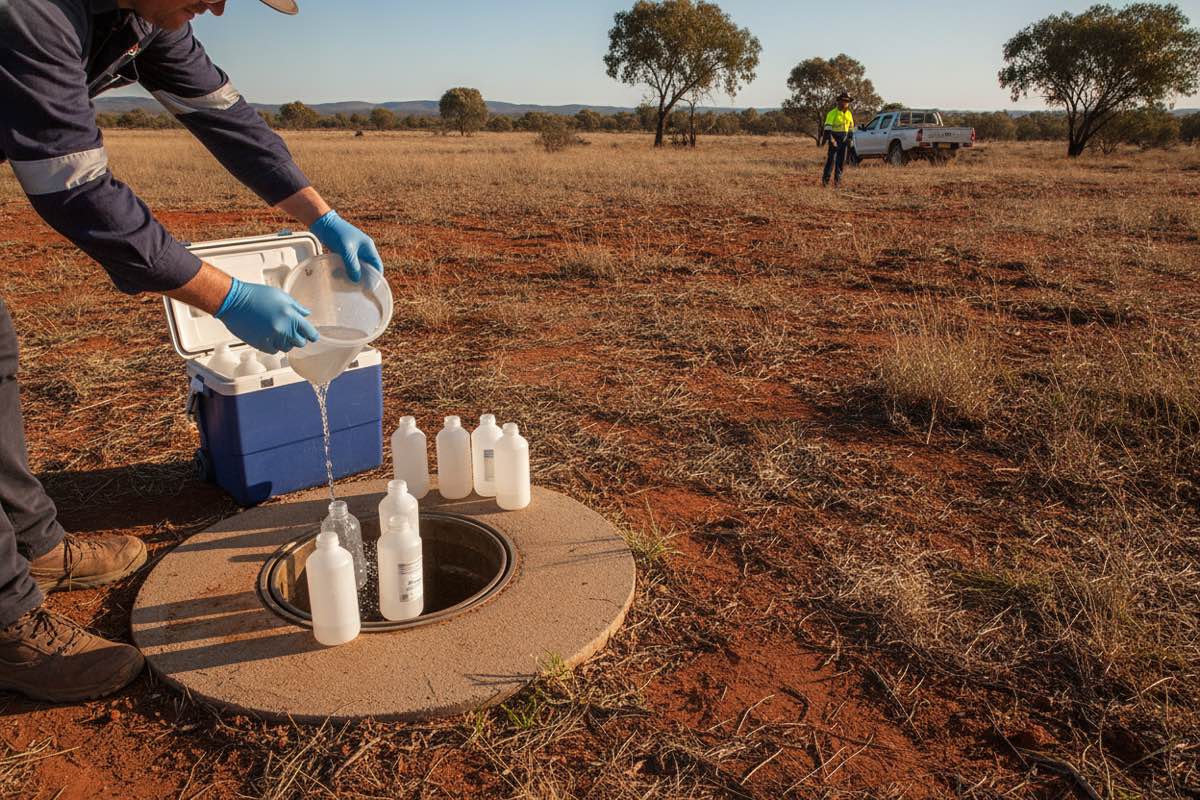
Most contamination notices follow the same technical path as a voluntary assessment under the National Environment Protection (Assessment of Site Contamination) Measure 1999, as amended 2013 (the ASC NEPM). The difference is that the regulator sets the deadlines and reviews the outputs.
- Desktop review and conceptual site model. Site history, previous reports, the contaminants of concern, receptors and pathways.
- Sampling and analysis plan. Many regulators want to see the plan before fieldwork.
- Investigation. Soil, groundwater, soil vapour or surface water sampling, compared with the relevant screening criteria and, where PFAS is involved, the PFAS National Environmental Management Plan version 3.1 (PFAS NEMP 3.1).
- Risk assessment. Where screening levels are exceeded, a site-specific risk assessment can show whether there is an actual risk under the current and proposed land use. This is often the step that keeps remediation proportionate.
- Remediation or management. Where action is needed, a remediation action plan or long-term environmental management plan, followed by validation.
- Reporting and closure. Reports that answer the notice directly, then a request to close it out.
Some notices, and many development consents, require an accredited site auditor to review the work, so involve the auditor early. Our article on when a site audit is required covers the triggers.
Common mistakes that make notices more expensive
- Missing the review window. Once it passes, your options for narrowing an unreasonable notice shrink.
- Getting the scope wrong. Sampling everything costs more and can still miss the regulator’s questions. A thin first round often leads to a rejected report.
- Going quiet. Regulators escalate when they hear nothing. Send a short update before each deadline.
- Ignoring other parties. If a former tenant, neighbour or previous owner caused the problem, cost recovery only helps if you build the evidence from day one.
How iEnvi can help
iEnvi helps owners, developers, businesses and councils respond to regulator notices and orders across Australia. We review the notice, prepare a response plan, meet the regulator, do the investigation, risk assessment, remediation and validation, and work with site auditors and lawyers. Where a notice becomes a dispute, we also provide environmental expert witness and advice services. See our regulator notice and order response service page for more detail.
If you have received a notice, or think one may be coming, talk to us early. Call Michael Nicholls on 0411 492 159 or send us a message through our contact page.
This article is general information only and is not legal advice. Notice requirements, timeframes and penalties change and depend on the facts, so always check the notice itself and get advice for your situation.
References
- Protection of the Environment Operations Act 1997 (NSW), Chapter 4 (sections 91, 93, 96 and 104).
- NSW Environment Protection Authority. Powers and notices guideline for authorised officers and enforcement officers. https://www.epa.nsw.gov.au/Licensing-and-Regulation/Authorised-Officers-and-Enforcement-Officers/Powers-and-notices-guideline
- Contaminated Land Management Act 1997 (NSW), sections 10, 11, 14 to 16 and 60.
- Environment Protection Act 2017 (Vic), sections 39, 40 and 271 to 275.
- EPA Victoria. Review a remedial notice. https://www.epa.vic.gov.au/review-remedial-notice
- EPA Victoria. Financial assurance guideline (publication 2002.1).
- Environmental Protection Act 1994 (Qld), as amended by the Environmental Protection (Powers and Penalties) Amendment Act 2024, including section 326BA.
- Contaminated Sites Act 2003 (WA), Part 4 and section 79.
- Government of Western Australia. Appeals against contaminated sites investigation and clean up notices. https://www.wa.gov.au/service/environment/environment-information-services/appeals-against-contaminated-sites-investigation-and-clean-notices
- Environment Protection Act 1993 (SA), Part 10A and sections 93 and 99.
- Environmental Management and Pollution Control Act 1994 (Tas); Environment Protection Act 1997 (ACT); Waste Management and Pollution Control Act 1998 (NT).
- National Environment Protection Council. (2013). National Environment Protection (Assessment of Site Contamination) Measure 1999, as amended 2013. https://www.legislation.gov.au/F2013L00768
- Heads of EPAs Australia and New Zealand. PFAS National Environmental Management Plan, version 3.1.
Need advice on this issue? iEnvi provides practical, senior-led environmental consulting across contaminated land, remediation, ecology and environmental risk.
UPSS investigation and validation Site remediation Environmental management plans Contaminated land advice Talk to iEnvi