
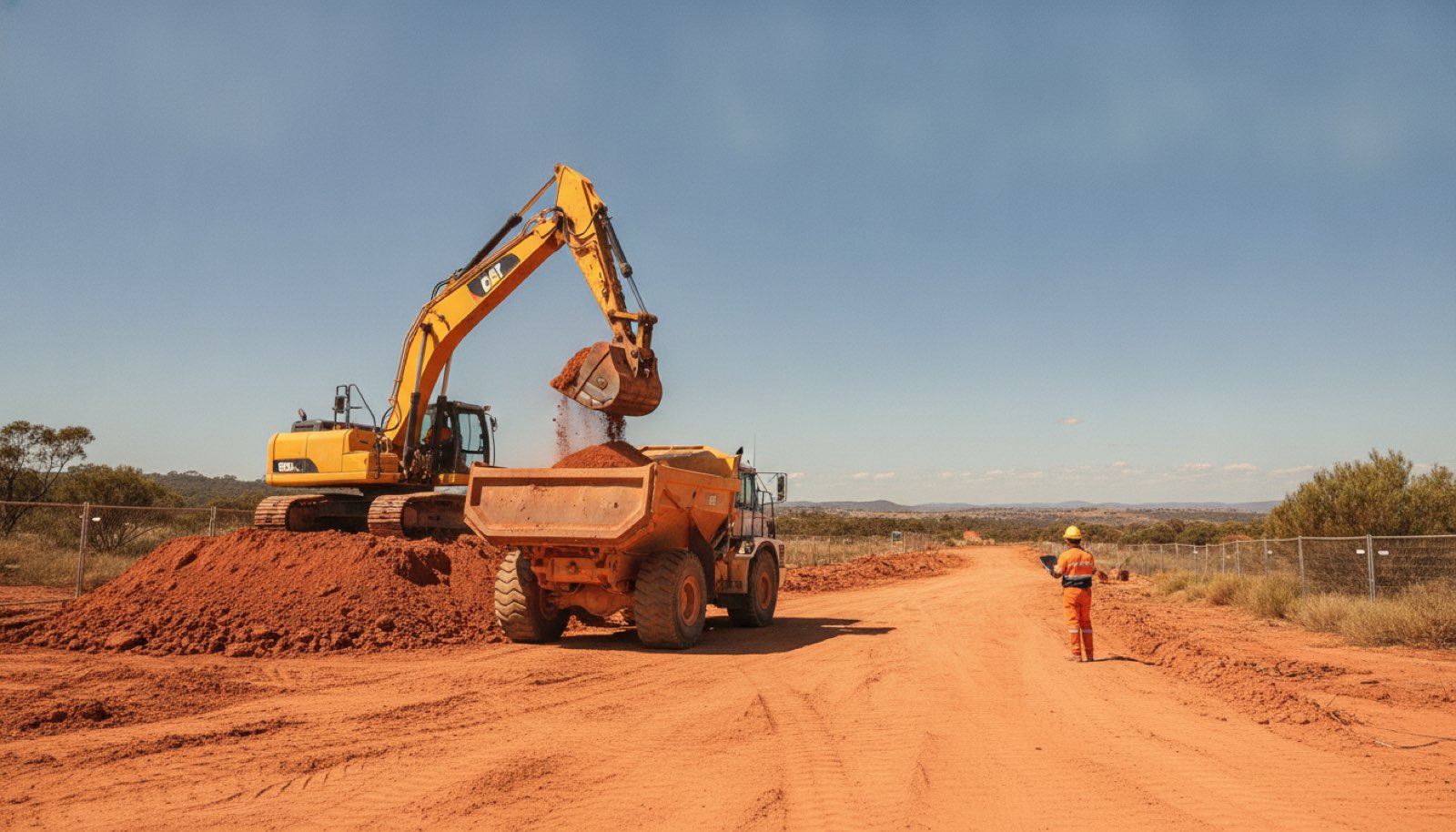
What contaminated soil remediation options are available in Australia, and how do you choose the right approach for your site?
Contaminated soil remediation in Australia follows a risk-based framework set by the National Environment Protection (Assessment of Site Contamination) Measure 1999, as amended 2013 (ASC NEPM). Common options include excavation and off-site disposal, on-site treatment, in-situ bioremediation, chemical oxidation, soil vapour extraction and containment. The right choice depends on the contaminants present, ground conditions, the proposed land use, the time available and the regulatory pathway. A well-scoped Detailed Site Investigation followed by a clear Remedial Action Plan is the most reliable route to sign-off.
By Michael Nicholls, Managing Director, iEnvironmental Australia. CEnvP Site Contamination Specialist.
Why Contaminated Soil Remediation Matters and When It Is Required
Contaminated soil can hold up a development, add cost to an infrastructure project or leave a landowner with an ongoing liability. Whether you are a developer, tenant, council or landowner, it pays to understand when remediation is actually needed, and what it involves, before you lock in a program.
Under Australia’s risk-based framework, finding contamination does not automatically mean remediation. Remediation is needed when the risk that contamination poses to human health or the environment is unacceptable for the current or proposed land use. The screening levels used to judge this are set out in the ASC NEPM, mainly in Schedule B1 (Guideline on Investigation Levels for Soil and Groundwater), and the full instrument can be viewed on the Federal Register of Legislation. Exceeding a screening level is a trigger for further assessment, not a finding that the site must be cleaned up.
A typical contaminated land pathway looks like this:
- A Preliminary Site Investigation (PSI) reviews site history and includes a site walkover to identify potential sources of contamination and the areas that need investigating.
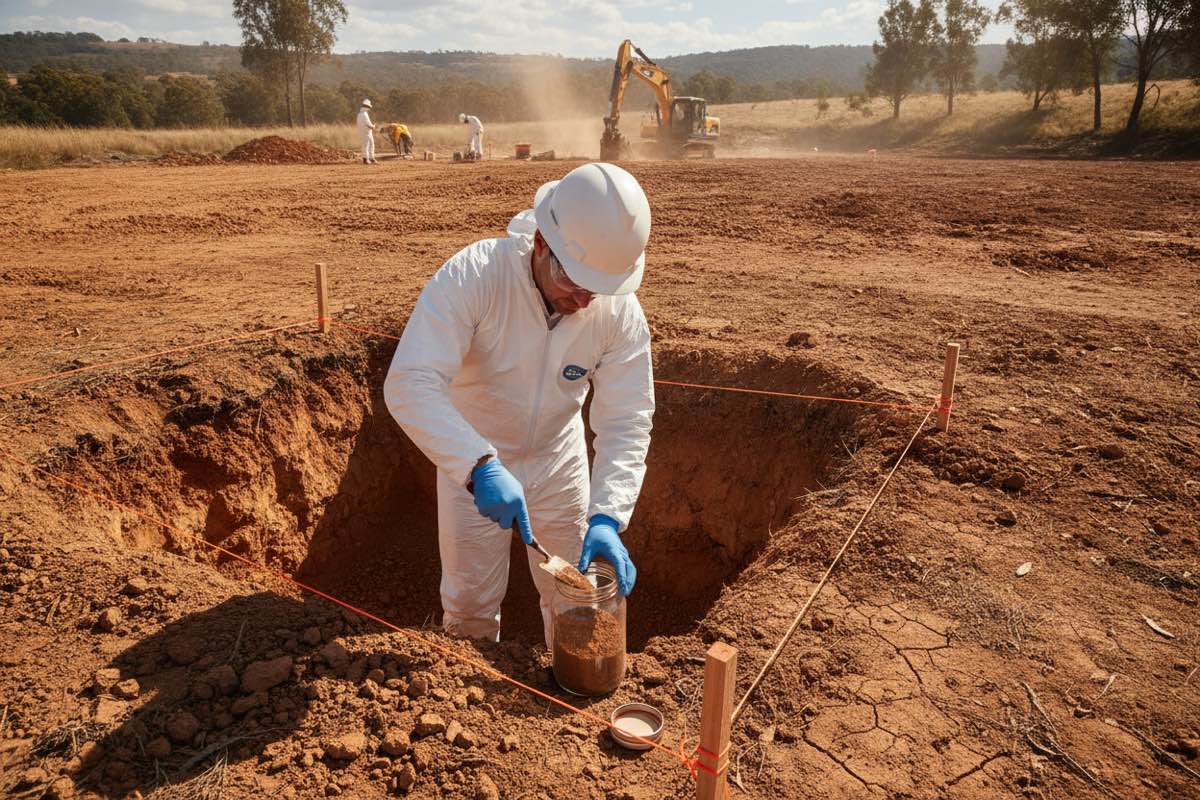
- A Detailed Site Investigation (DSI) samples soil, and where relevant groundwater and soil vapour, to characterise the nature and extent of contamination and compare results against the ASC NEPM investigation and screening levels.
- Where the DSI confirms an unacceptable risk, a Remedial Action Plan (RAP) is prepared.
- Remediation is carried out and then validated, with the results documented in a Validation Report. Depending on the state and the project, this may be reviewed by an accredited site auditor, the regulator, the planning authority or a combination of these.
Skipping steps, particularly the DSI, is a common and expensive mistake. Regulators and site auditors expect a RAP to rest on adequate site characterisation data, and a RAP written on thin data tends to underestimate volumes.
Understanding the Remediation Pathway: From RAP to Validation
A Remedial Action Plan is a site-specific document that sets out:
- The nature and extent of contamination requiring remediation.
- The remediation objectives, meaning the criteria each medium (soil, groundwater, vapour) must meet to show the site is suitable for its intended use.
- The chosen remediation method or combination of methods, and the reasons for choosing them over the alternatives.
- How the works will be managed, including environmental controls, unexpected finds and waste tracking.
- A monitoring and reporting program to track progress.
- A validation plan, including the sampling approach and acceptance criteria.
Remediation objectives are usually based on the ASC NEPM Health Investigation Levels (HILs), Health Screening Levels (HSLs) for petroleum hydrocarbons, Ecological Investigation Levels (EILs) and Ecological Screening Levels (ESLs), refined where needed by site-specific risk assessment. For groundwater, the Australian Drinking Water Guidelines (ADWG) may apply where groundwater is or could be used for drinking. Where wetlands, creeks or other receiving waters are relevant, the Australian and New Zealand Guidelines for Fresh and Marine Water Quality (ANZG 2018) provide guideline values.
The National Remediation Framework (NRF), developed by the Cooperative Research Centre for Contamination Assessment and Remediation of the Environment (CRC CARE), gives nationally consistent guidance on planning, carrying out and validating remediation. It sits alongside the ASC NEPM and is widely used by consultants, regulators and auditors, but it is guidance, so state legislation and regulator or auditor requirements take precedence.
Main Contaminated Soil Remediation Technologies in Australia
No single method suits every site. The options below are the ones most often considered by Australian practitioners, and many projects use more than one.
Excavation and Off-Site Disposal
This is the most common approach for shallow, well-defined contamination. Contaminated soil is dug out and taken to a facility licensed to receive it. The main advantages are speed and certainty. The drawbacks are cost (which rises quickly with volume, depth and waste category), use of landfill space, truck movements, and dust, odour and noise during the works. Much Australian guidance prefers on-site treatment or reuse over landfill disposal where practicable. Soil leaving site must be classified under the relevant state waste framework. In NSW this means the NSW EPA waste classification guidelines, with the broader context set by the NSW EPA contaminated land program and the Contaminated Land Management Act 1997 (NSW).
On-Site (Ex-Situ) Treatment
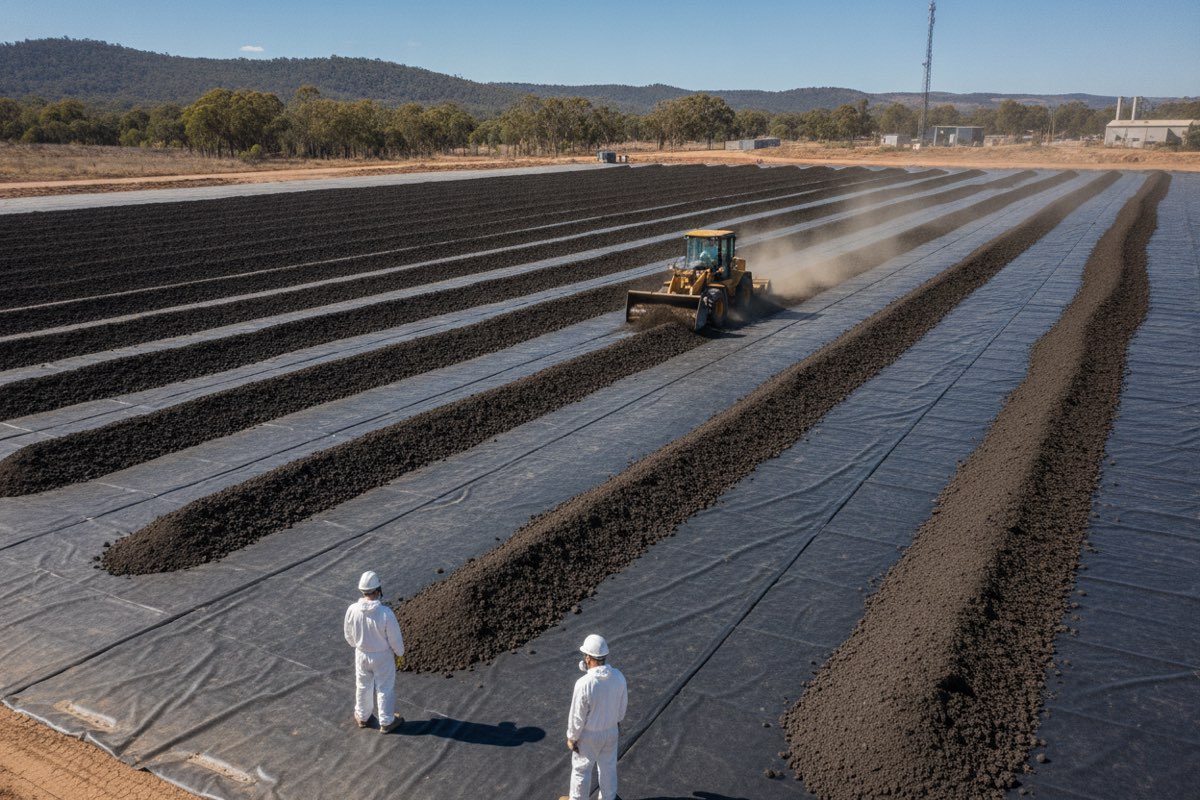
Excavated soil can sometimes be treated on site and reused rather than disposed of. Biopiles and landfarming are used for petroleum hydrocarbons, and stabilisation or solidification can be used to bind some metals and other contaminants so they are less mobile. These methods need space, time and a clear validation plan, and treated soil must meet the remediation objectives and any state requirements before reuse.
In-Situ Bioremediation
In-situ bioremediation encourages naturally occurring micro-organisms to break down organic contaminants, mainly petroleum hydrocarbons and some chlorinated solvents, in place. Bioventing delivers air to the unsaturated zone, biosparging injects air into the saturated zone, biostimulation adds nutrients or electron donors, and bioaugmentation introduces specialised microbial cultures. It suits sites where contamination is too deep or too close to buildings and services to excavate. It works best in reasonably permeable, uniform ground, since clay layers and mixed fill make it hard to get amendments to where they are needed. It usually costs less up front than large-scale excavation, but it takes time (often many months to years) and needs regular monitoring to show it is working.
Soil Vapour Extraction (SVE)
SVE applies a vacuum to the unsaturated (vadose) zone through extraction wells, drawing volatile organic compounds (VOCs) out of the soil for treatment above ground. Typical targets include benzene, toluene, ethylbenzene and xylenes (BTEX), lighter petroleum hydrocarbon fractions and chlorinated solvents. SVE works best for volatile contaminants in permeable, relatively dry soils, and is less effective in tight clays or where groundwater is shallow. It is often paired with air sparging to address contaminated groundwater. Cost depends on the size of the treatment area, how long the system runs and how much off-gas treatment is needed. It can be cost-effective where conditions suit it, but running costs build up over a long operating period.
In-Situ Chemical Oxidation (ISCO)
ISCO involves injecting chemical oxidants, such as hydrogen peroxide, permanganate, persulfate or ozone, into contaminated soil and groundwater to break down organic contaminants. It is mainly used on source zones of chlorinated solvents and petroleum hydrocarbons, and has been used at a number of Australian sites. Its main limitations are getting the oxidant evenly through variable ground, the possibility that concentrations rebound after treatment, and short-term changes in groundwater chemistry, including pH shifts and mobilisation of dissolved metals. Some oxidants generate heat and gas, so safety planning matters, and bench testing and a pilot trial usually come before full-scale design.
Pump-and-Treat (Groundwater)
Contaminated groundwater is pumped from extraction wells and treated above ground, typically by air stripping, activated carbon or advanced oxidation, before discharge or reinjection under the relevant approvals. It is well established, often used with source zone treatment, and most useful for stopping a dissolved-phase plume from spreading. On its own it can take a long time to reach clean-up objectives, so it is usually treated as a containment measure rather than a quick fix.
Containment and Institutional Controls
Where removing or destroying contamination is not technically feasible, or the cost is out of proportion to the risk, regulators may accept engineered containment (capping, barriers or cut-off walls) combined with institutional controls such as a long-term environmental management plan and ongoing monitoring. Contamination stays in place, so obligations carry forward to future owners and occupiers. Depending on the state, they may be recorded in audit conditions, planning certificates or a contaminated land register.
How to Choose the Right Approach
Choosing a remediation method is a balance of technical, regulatory, cost and program factors. In practice, the questions that usually decide it are:
- What are the contaminants? Volatile hydrocarbons, chlorinated solvents, heavy metals, asbestos and PFAS each narrow the options differently. Metals and asbestos, for example, are not broken down by biological or chemical treatment.
- Where is the contamination and how much is there? Depth, volume and how well the extent has been defined drive cost more than almost anything else.
- What are the ground conditions? Soil type, fill, layering and depth to groundwater decide whether in-situ methods can reach the contamination.
- What is the proposed land use? A residential site with gardens needs different objectives from a sealed commercial site.
- How much time is available? Excavation is fast. In-situ methods take longer and are harder to fit around a tight construction program.
- Who needs to sign off? Involving the site auditor or regulator early in the RAP stage avoids rework later.
- What is the long-term commitment? Leaving contamination in place may look cheaper up front but carries ongoing costs and obligations.
The NRF also encourages weighing the wider environmental, social and economic effects of each option. For less familiar technologies, a pilot trial is often worth doing before committing to full scale.
Regulatory Framework Across Australia’s States and Territories
The ASC NEPM provides a nationally consistent framework for assessing contamination, but remediation is regulated by each state and territory. Key legislation includes:
- New South Wales: Under the Contaminated Land Management Act 1997 (NSW), people who cause contamination and landowners must notify the NSW EPA of contamination that meets the notification criteria. The EPA can declare land significantly contaminated and issue management orders. Much remediation for development is managed through the planning system and the NSW site auditor scheme.
- Victoria: The Environment Protection Act 2017 (Vic), administered by EPA Victoria, introduced a general environmental duty, a duty to manage contaminated land and a duty to notify EPA of certain contamination. Environmental audits are carried out by EPA-appointed environmental auditors.
- Queensland: Contaminated land is managed under the Environmental Protection Act 1994 (Qld) and administered by the Queensland Department of the Environment, Tourism, Science and Innovation (DETSI). Land affected by notifiable activities or contamination can be recorded on the Environmental Management Register or the Contaminated Land Register.
- South Australia: The SA EPA administers the site contamination provisions of the Environment Protection Act 1993 (SA), which include notification requirements and a site contamination auditor system.
For sites affected by per- and polyfluoroalkyl substances (PFAS), the PFAS National Environmental Management Plan Version 3.1 (PFAS NEMP 3.1, HEPA 2025) provides additional guidance on criteria, reuse of PFAS-affected material and waste management, which sits over the state frameworks.
Frequently Asked Questions
How do I know if my site needs remediation?
Remediation is needed when a DSI shows that contamination poses an unacceptable risk to human health or the environment for the proposed land use. The ASC NEPM investigation and screening levels are the starting point, but a site-specific risk assessment may show that the actual exposure pathways are more or less significant than the screening levels assume. Exceeding a screening level does not always mean active remediation. In some cases, managing the contamination in place under an environmental management plan is enough.
How long does contaminated soil remediation take?
It depends on the method and the site. Excavating a small, shallow hotspot may take days to weeks. In-situ treatment, or pump-and-treat for a dissolved groundwater plume, can run for many months to several years. Allow for this early, particularly on development projects where sign-off, such as a NSW Site Audit Statement or a Victorian environmental audit statement, is needed before construction or occupation can proceed.
Who oversees contaminated land remediation in Australia?
Each state and territory has its own regulator: the NSW EPA, EPA Victoria, DETSI in Queensland, the SA EPA and their counterparts in other jurisdictions. Local councils are also involved on development projects through planning and development approvals. In many cases, an independent auditor accredited or appointed under the relevant state scheme reviews the investigation and remediation and confirms whether the site is suitable for its intended use.
References and further reading
Primary sources referred to in this article:
- National Environment Protection (Assessment of Site Contamination) Measure 1999, as amended 2013 (ASC NEPM), NEPC
- ASC NEPM, Federal Register of Legislation
- Contaminated land, NSW EPA
- Contaminated Land Management Act 1997 (NSW)
- Environment Protection Act 2017 (Vic)
- What we do, EPA Victoria
- Environmental Protection Act 1994 (Qld)
- Contaminated land, Queensland Department of the Environment, Tourism, Science and Innovation (DETSI)
- Site contamination, SA EPA
- PFAS National Environmental Management Plan Version 3.1 (HEPA 2025), DCCEEW
- Australian Drinking Water Guidelines (ADWG), NHMRC
- Australian and New Zealand Guidelines for Fresh and Marine Water Quality (ANZG 2018)
- ANZG 2018 guideline values
How iEnvi can help
iEnvironmental Australia provides contaminated land services from desktop PSI through DSI, Remedial Action Plan preparation, remediation oversight and validation reporting, working across NSW, Victoria, Queensland, South Australia and other states. Our practitioners include Certified Environmental Practitioners (CEnvP) with Site Contamination Specialist certification.
Contaminated land assessment | Remediation services | Talk to iEnvi
Need advice on this issue? iEnvi provides practical, senior-led environmental consulting across contaminated land, remediation, ecology and environmental risk.
PSI services DSI services Team credentials Soil remediation Talk to iEnvi