
What do council UPSS conditions on a new service station actually require?
On this project, the conditions called for a fuel system designed, installed and commissioned in accordance with AS 4897-2008, a clear leak detection design, a suitably designed hydrocarbon separator where tankers unload, and records that prove it all works before opening. The main risk is not the conditions themselves but gaps between the conditions and the design drawings, which are easier and cheaper to fix before Operational Works than after construction.
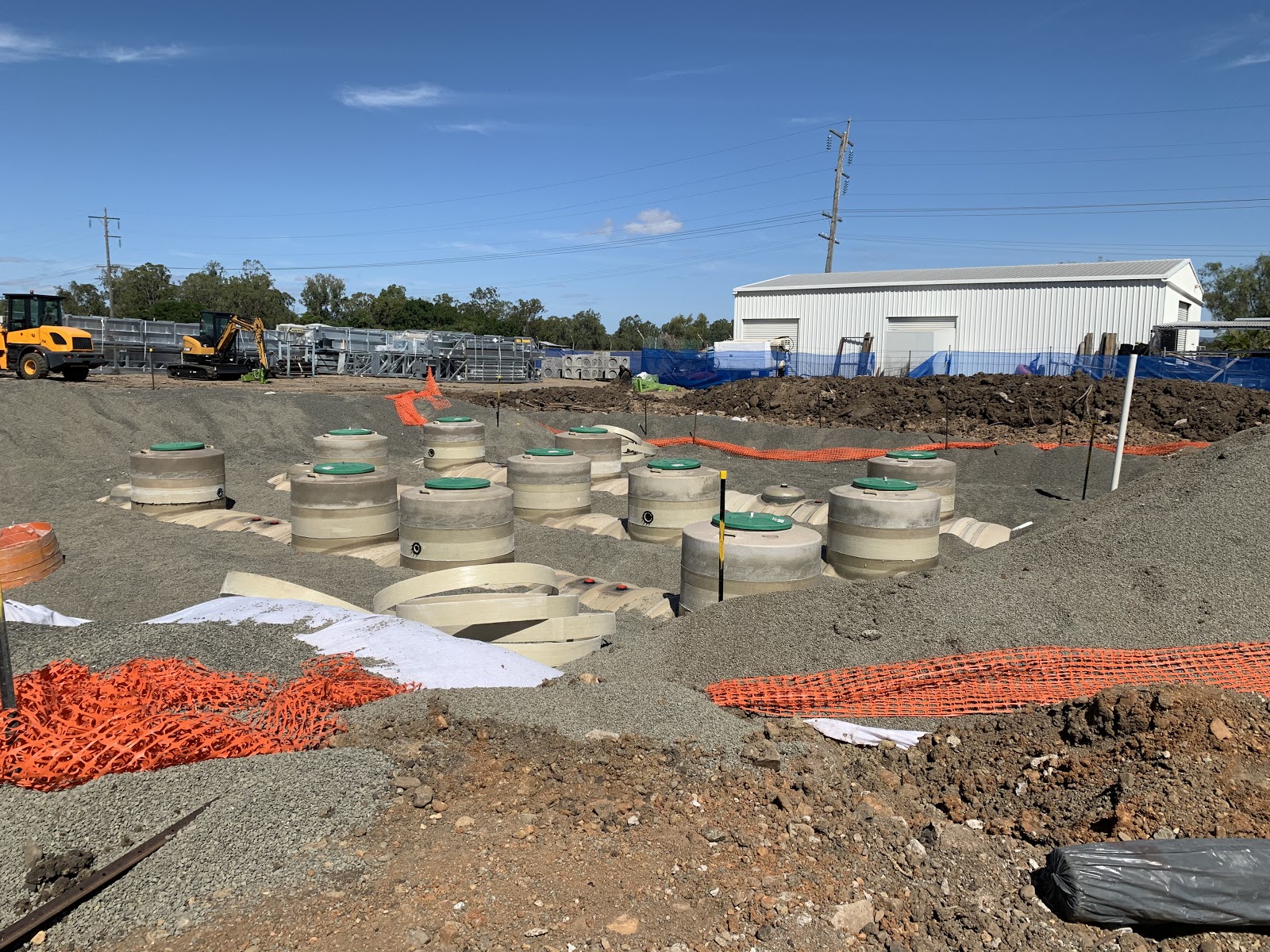
iEnvi prepared an environmental technical note and a pre-construction Fuel System Operation Plan for a new service station within a proposed neighbourhood centre in the Moreton Bay region, north of Brisbane. The note translated the development approval’s underground petroleum storage system (UPSS), forecourt and leak detection conditions into clear design requirements for the project team heading into Operational Works.
The Problem
The development approval included three conditions covering UPSS design and certification, forecourt and dispensing area controls, and leak detection. Each had to be met before the service station could open. The design team needed to know exactly what the conditions meant for their drawings, who was responsible for each item, and what evidence Council would expect at commissioning.
The site was a former rural residential lot with a farm dam, a potential receptor for any fuel release, close to the proposed tank farm. The geotechnical investigation had recorded groundwater seepage as shallow as 1.4 m below ground level near the tanks, along with uncontrolled fill. No contamination testing had been done.
Project Summary
iEnvi completed a desktop review of the approval conditions, the architectural and stormwater plans, the survey and the geotechnical reports. We assessed the design against AS 4897-2008 for UPSS design, installation and operation, AS 1940:2017 for flammable and combustible liquids, and the duties that apply under Queensland’s Environmental Protection Act 1994, including the general environmental duty and the duty to notify a notifiable activity.
Key findings and recommendations included:
- Leak detection. We recommended automatic tank gauging, electronic line leak detection and interstitial and sump monitoring, all reporting to one console with an alarm on site.
- Hydrocarbon separator. The approved stormwater plan did not show the hydrocarbon separator required for the tanker delivery area. It needed to be added to the drainage design, with a way to contain a fuel spill on site.
- Shallow groundwater. The tank designer needed to assess buoyancy and anchoring, allow for pumping during excavation, and design tank pit observation wells that work whether they are wet or dry.
- Notifiable activity. Storing petroleum products in underground tanks is a notifiable activity under Schedule 3 of the Environmental Protection Act 1994. The owner or occupier must notify the Queensland Government department that administers the Act within 20 business days of becoming aware the activity is being carried out, and the land is then likely to be recorded on the Environmental Management Register, which buyers and lenders routinely search.
The note closed with an action table setting out each requirement, the party responsible and when it is needed, plus a list of the commissioning records required to discharge the conditions.
Solution & Benefit
The project team received a single, practical reference for the UPSS conditions before detailed design was locked in. Adding the separator and confirming the leak detection approach at this stage avoids redesign and delays at certification. For the developer and future landowner, that means a clearer path to opening and fewer surprises when Council reviews the commissioning records.
The Fuel System Operation Plan was issued as a pre-construction version, ready to be completed from as-built details and operator information before the service station opens.
We also recommended a two-stage environmental baseline: soil testing before construction and groundwater monitoring wells before fuel is first delivered. Because the land will carry a notifiable activity, a documented baseline of site condition, if adopted, helps protect the landowner in future leasing, sale, finance and lease exit discussions.
Related services
UPSS and underground tank services | Development application and planning advice | UPSS due diligence explained | Talk to iEnvi
Planning a new service station or fuel depot with UPSS conditions? Send us the details through our enquiry form or call 0411 492 159.
Related services for this project. iEnvi links delivered project work back to the service pathways clients use for similar sites — investigation, remediation, ecology and environmental management.
UPSS investigation and validation Groundwater services Environmental due diligence Environmental management Talk to iEnvi