

Groundwater sampling at a ski lodge, NSW alpine region
iEnvi carried out groundwater monitoring at the request of a ski lodge operator in the NSW alpine region after an underground petroleum storage system (UPSS) had been decommissioned. The work was undertaken to satisfy regulator requirements and to demonstrate whether residual groundwater impacts remained at the site.
Why monitoring was required
The NSW Office of Environment and Heritage required monitoring following UPSS decommissioning to confirm there was no ongoing groundwater contamination. Confirmatory monitoring like this is a common regulatory expectation where petroleum stores have been removed to support safe redevelopment or sale of property.
How we sampled
We used low‑flow (minimal drawdown) sampling methods from monitoring wells. Low‑flow sampling reduces disturbance of the well column and ensures samples represent in‑situ groundwater rather than stagnant water that has sat in the bore. Low‑flow parameters were monitored until field indicators stabilised before collecting laboratory samples.
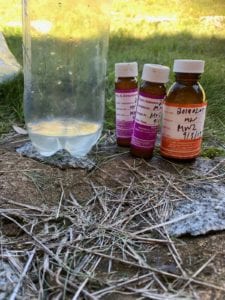
Access to some monitoring wells was intermittent; freeze–thaw cycles during winter can obscure or damage wellheads. Several wells could not be sampled on the day because they were inaccessible due to ice and snow conditions.
Results and practical implications
Laboratory results showed no concentrations of petroleum hydrocarbons or other analytes that indicate an ecological or human‑health risk from groundwater at the site. From a practical perspective this outcome:
- reduces the likelihood of remediation being required for groundwater at the site;
- supports property transactions by demonstrating that groundwater does not present a contaminant liability; and
- helps meet regulator expectations for confirmatory monitoring following UPSS decommissioning.
Compliance and transaction considerations
When planning a sale or redevelopment in alpine areas, confirm whether UPSS decommissioning and associated validation monitoring are required by the relevant land manager and environment authority. Providing a clear monitoring record and a statement of no‑risk from qualified consultants can reduce transaction delay and purchaser uncertainty.
Recommendations and next steps
- Keep monitoring records and laboratory reports on file for the property transaction and future due diligence.
- Where winter access is likely to limit sampling, schedule seasonal monitoring windows or install insulated wellheads to improve year‑round access.
- If future development or land use changes are proposed, obtain updated advice to confirm that previous monitoring remains valid for the approval pathway.
If you need support with UPSS decommissioning validation, groundwater monitoring programs or transaction‑focused environmental due diligence, contact iEnvi on 13000 43684 or visit our contact page to arrange a consultation.
Related services for this project. iEnvi links delivered project work back to the service pathways clients use for similar sites — investigation, remediation, ecology and environmental management.
UPSS investigation and validation Remediation services Groundwater services Ecological assessment Talk to iEnvi