Where Does All the Soil Go?
You see lots of building developments going up, and large construction sites.
iEnvi provided site sampling, waste classification and VENM assessment for Transport for NSW during Jenolan Caves Road remediation works, enabling compliant reuse and reducing disposal costs while keeping the project on schedule.
Targeted soil assessment of a former oyster farm footprint identified low-risk PAH sources (asphalt fragments) rather than residual coal tar, resolving a data gap and enabling council approval for low-density residential development.
When is a Soil Stockpile ‘Waste’, and Can a Hotspot of Asbestos or ACM in a Stockpile be Removed and the Soil be reclassified?
Blanks are artificial samples (made up of ultra-pure MilliQ water) used to trace sources of contamination which may be introduced to samples: During handling and transportation;…
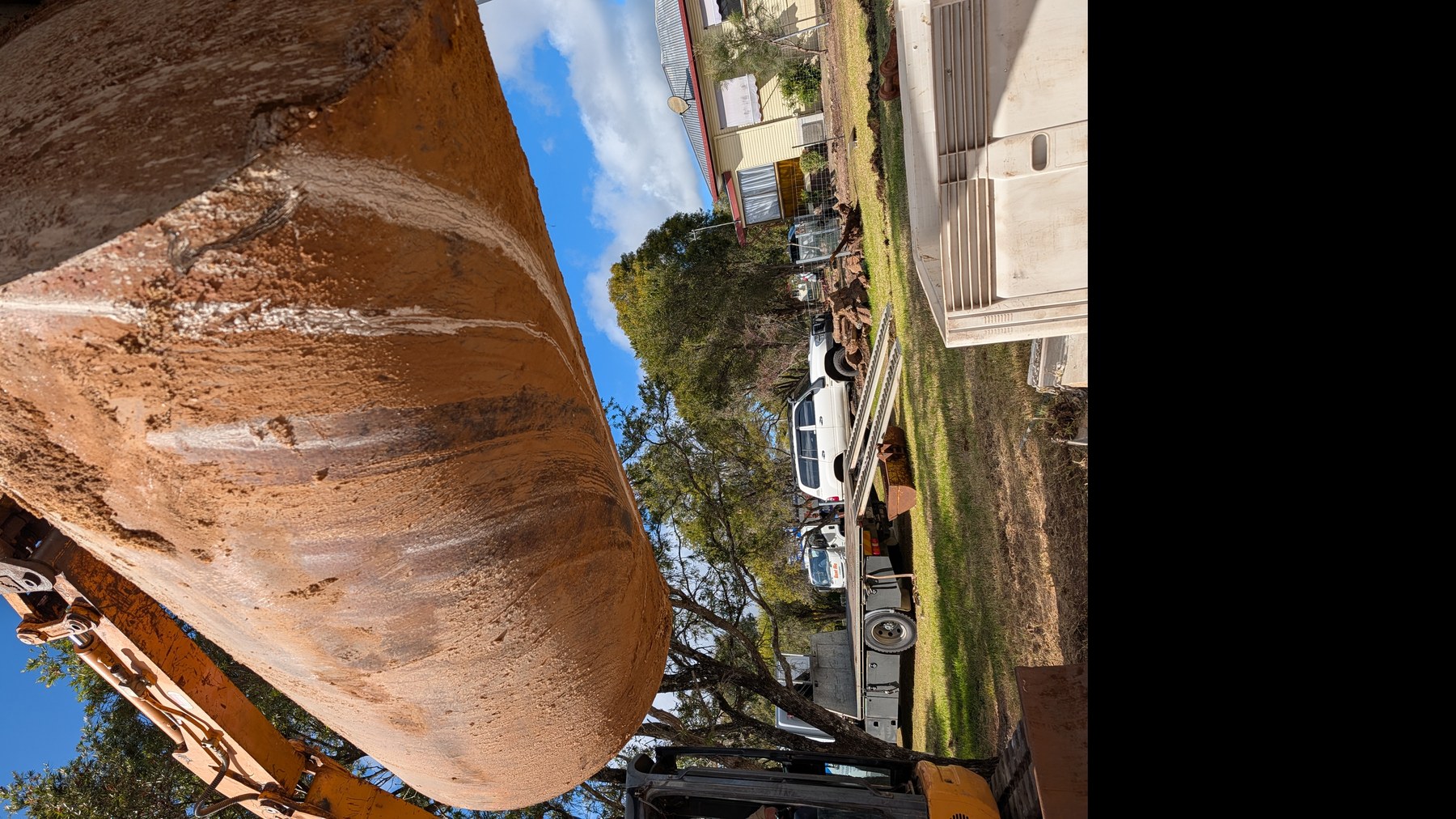
iEnvi managed in‑situ abandonment of three underground storage tanks at a restaurant in Hervey Bay, QLD using foam filling to avoid structural impacts. Work complied with AS4976‑2008 and included guidance on validation groundwater monitoring and UPSS completion to progress removal from the QLD Environmental Management Register (EMR).
Case study: CEMP, ESCP and VMP prepared by iEnvi for a regional council to manage vegetation clearing, earthworks, acid sulfate soils, fauna risk and sediment during construction of a sports complex in South East Queensland.
A 2020 preliminary assessment by iEnvi identified microbiologically influenced corrosion (MIC) risk for planned pipeline works and staging areas on the Mornington Peninsula, recommending targeted metallurgical and microbiological follow-up to protect assets and reduce failure risk.
iEnvi completed an in‑situ waste classification and Excavated Natural Material (ENM) assessment for a Southern Highlands council road upgrade. Of 20 samples collected at 30 m intervals, 17 met ENM criteria, two were restricted solid waste and one was hazardous — enabling reuse of most material and avoiding excavation‑stage delays.
iEnvi updated the ESCP for a State Significant development in the Mornington Peninsula using MUSIC stormwater modelling and IECA-aligned erosion and sediment controls to reduce construction-phase sediment risk and support regulatory compliance.