US EPA proposes weakening of ethylene oxide emission limits
Global supply chain pressures have forced a rollback of chemical emission standards. The US EPA has proposed weakening its air pollution limits for ethylene oxide.

 Michael Nicholls
 Global supply chain pressures have forced a rollback of chemical emission standards. The US EPA has proposed weakening its air pollution limits for ethylene oxide.
The most sweeping chemical ban in history has cleared a major regulatory hurdle. On 11 March 2026, the European Chemicals Agency advanced its universal restriction proposal for all PFAS.
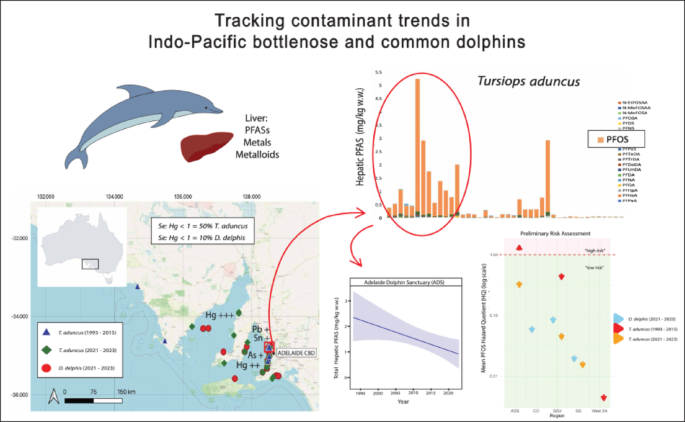
Recent peer-reviewed research from CSIRO and the SA EPA has tracked contamination in South Australian dolphins over three decades. The data reveals a downward trend in total PFAS concentrations across the Adelaide Dolphin Sanctuary and Port River Estuary.
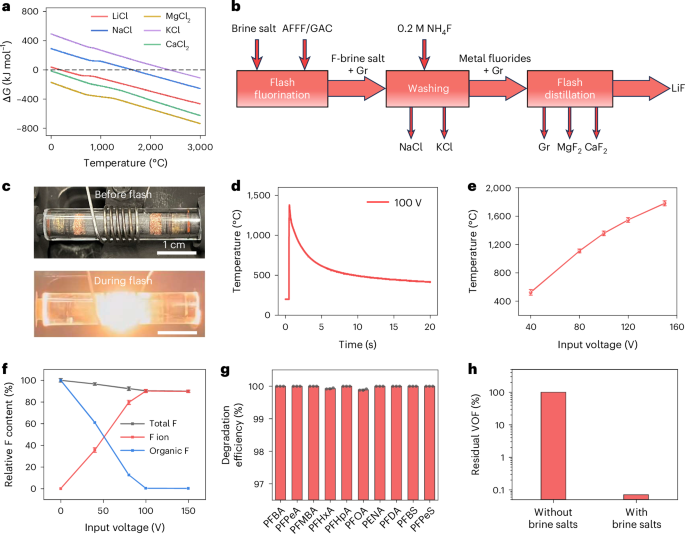
🔋 Spent carbon from PFAS groundwater treatment at contaminated sites may soon become a useful resource for battery manufacturing. For Australian projects managing PFAS in groundwater, pump and treat systems using granular activated carbon are standard practice.
Every smartphone in the community is now an extension of the environmental regulator’s monitoring network. A local resident in Victoria recently filmed a truck dumping over 1,000 litres of contaminated construction and demolition soil on a cleared residential block in Ashwood.
Every coastal waterway sampled returned a positive detection for microplastics.
A state environmental regulator has bypassed the federal military.
A significant shift by the US EPA will complicate groundwater management.

The global AI expansion has reached New Zealand.
Backyard vegetables have just forced a statutory contaminated land declaration.