Waste classification and reuse — Angle Vale, SA
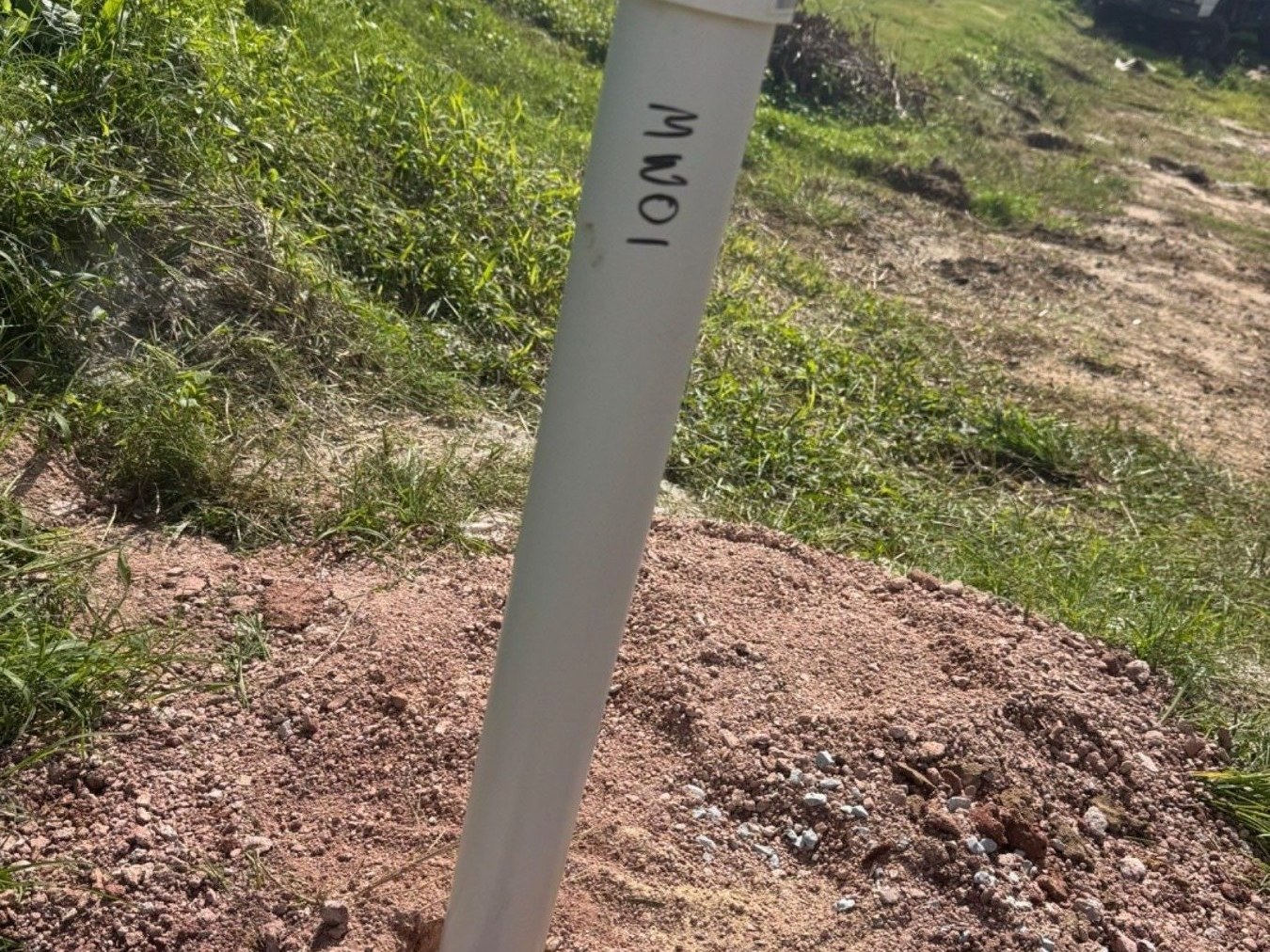
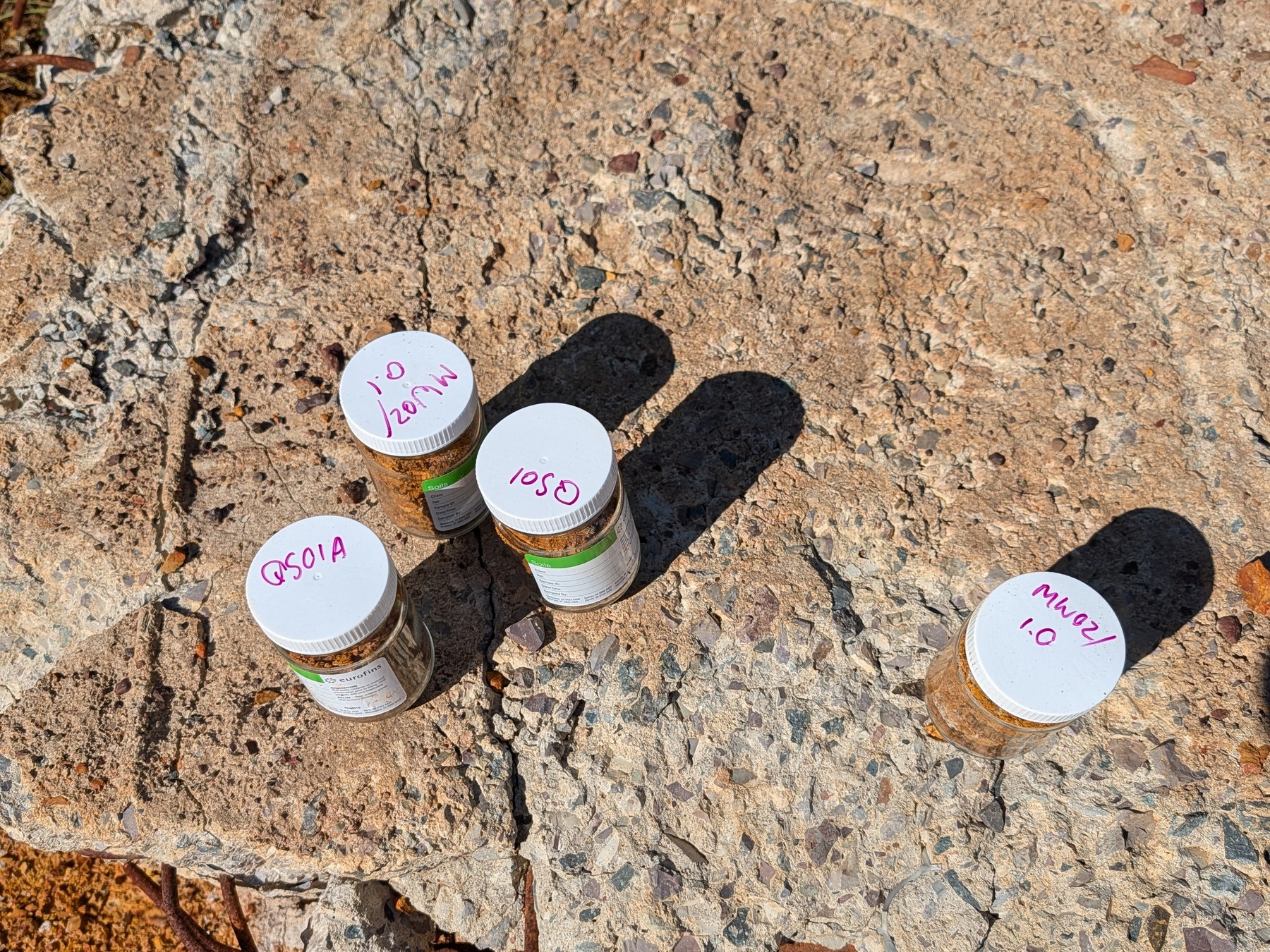
iEnvi characterised ~7,000 m3 of imported soil at Angle Vale (SA), classified it as Waste Derived Fill under SA EPA guidance and enabled reuse on site — reducing landfill, cost and development risk.
iEnvi supported a Tier 1 contractor to deliver NBN trenching and pit works across Brisbane Airport precincts, managing PFAS and asbestos risk, enabling in‑situ waste classification and immediate backfill to meet Commonwealth safety requirements and avoid costly hazardous disposals.
Practical environmental investigations and compliance audits across four Melbourne bus depots established a defensible baseline, identified localised hydrocarbon impacts near refuelling areas, confirmed no landfill‑gas risk from adjacent closed tips, and delivered reporting and management measures to meet Victorian regulatory expectations.
A concise, defensible Preliminary Site Investigation (PSI) and targeted soil screening at a former regional Queensland sawmill clarified contamination risk (timber-treatment residues, unknown fill, petroleum), updated the conceptual site model and set clear triggers for any further DSI or groundwater work — supporting sale, planning and due diligence.
iEnvi completed a targeted, construction‑friendly Baseline Contamination Investigation at a large southern Brisbane warehouse and logistics facility to provide a defensible contamination snapshot for lease handover. The program combined desktop records review, GPR service clearing, targeted drilling (8 locations to ~8 m), 16 primary soil samples plus QA/QC for TRH, BTEXN, PAHs, metals and asbestos, and a Baseline Contamination Report signed by a CEnvP Site Contamination specialist.
How a targeted investigation, waste classification testing and a pragmatic remediation strategy closed data gaps for asbestos‑contaminated imported fill in north‑west Sydney — turning a NSW EPA Clean‑Up Notice into a compliant, cost‑efficient remediation pathway.
Practical groundwater monitoring that confirms monitored natural attenuation, meets regulator expectations, and supports a safe transition from quarterly to biannual sampling with clear triggers and contingency planning.
Targeted landfill gas and groundwater assessment at an operating bus depot adjacent to two closed municipal landfills. No methane detected; EPA Victoria action levels not exceeded. Planning condition satisfied — no further LFG controls recommended.
Clear, practical guidance for site owners, developers and environmental managers on recognising a hydrocarbon sheen versus measurable LNAPL in groundwater, when a risk-based duty to notify regulators can be triggered in Australia, and how to manage next steps to reduce transaction, development and compliance risk.
iEnvi conducted a Preliminary Site Investigation and soil testing across two lots (≈9.9 ha) in Wollert, Victoria. Eleven surface samples and stockpile checks found no asbestos or contaminant levels above NEPM Tier 1 screening criteria for sensitive land uses, supporting school development approval with a small set of practical recommendations for construction-phase controls.